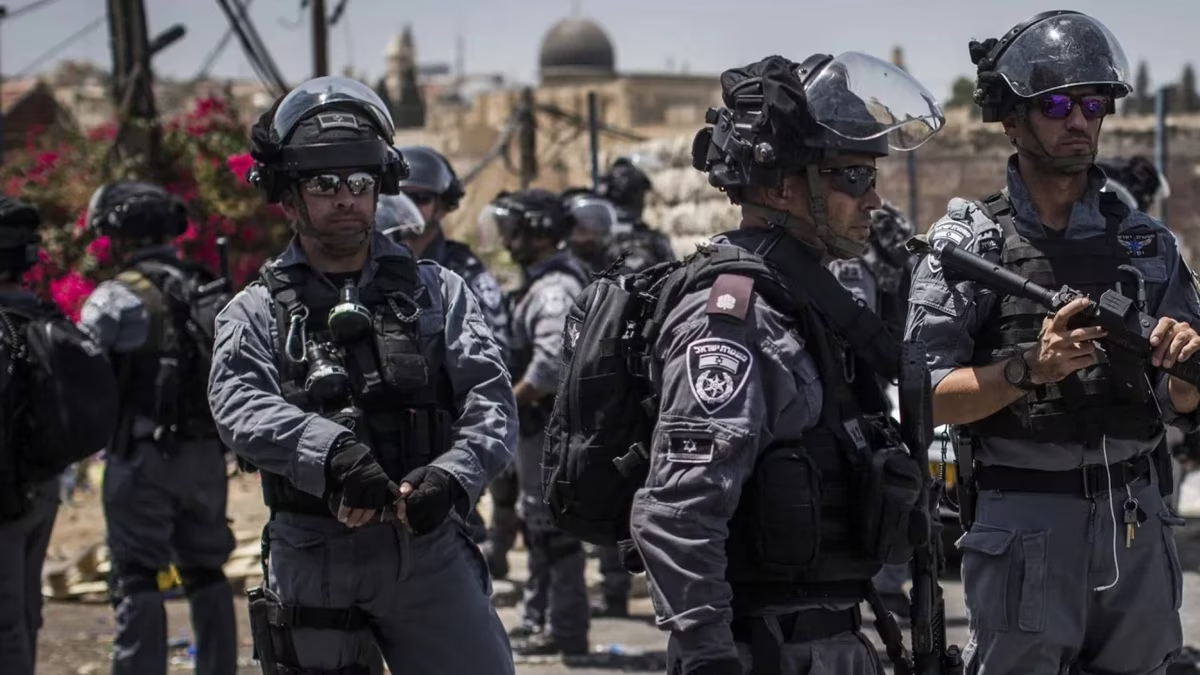







The Israeli occupation police have imposed strict security measures aimed at enforcing a complete blackout on the results of missile strikes that targeted the city of Dimona and wide areas in the Negev. Security agencies issued strict instructions, as part of what is known as 'Operation Lion's Roar,' prohibiting the photographing or circulation of any visual documentation showing missile impact sites or the extent of the resulting damage. This step comes amid a state of security alert following recent Iranian missile attacks that targeted strategic locations.
Occupation authorities considered the circulation of bombing images via social media platforms or instant messaging groups to be a clear 'security betrayal' that serves the objectives of the other side. Security sources explained that these photographic materials provide resistance operations rooms with a golden opportunity to correct bombing coordinates in upcoming salvos, as well as their ability to assess the accuracy of hits and the effectiveness of air defense systems in intercepting missiles.
The new instructions included an absolute ban on taking photos or videos of damaged buildings or directly documenting moments of missile impact. The police also emphasized preventing the precise geographical identification of impact areas, warning that any violation of these orders would expose the perpetrator to immediate legal prosecution. Expected penalties include severe charges related to 'harming state security' and cooperating with hostile parties in wartime.
Observers believe that the primary goal of this ban is to cover up the true extent of the losses caused by the missiles deep inside Israel, especially amid reports of massive fires and damage to multi-story buildings in Dimona. Through these decisions, military censorship seeks to control the media narrative and prevent the leakage of any information that could demoralize the home front or boost morale on the resistance fronts.
Through this blackout, Israeli intelligence agencies are trying to prevent the collection of information from 'open sources,' which have become a fundamental pillar in modern military planning. These measures confirm growing Israeli concern about the accuracy of recent strikes and their ability to reach sensitive targets in the Negev, which has prompted the security establishment to take unprecedented steps to restrict freedom of publication and field documentation.
Publishing photos of the bombing is considered a security betrayal that helps the enemy correct its coordinates and assess the accuracy of hits.



Share your opinion
Israeli Security Blackout: Ban on Photographing Missile Impact Sites in Dimona and the Negev