







The decision to close the Church of the Holy Sepulchre in the occupied city of Jerusalem during 'Holy Week' has sparked widespread international concern, given the immense spiritual and historical significance of the church as the holiest Christian site in the world. This measure comes at a highly sensitive time, as Christians commemorate the passion and resurrection of Christ, an occasion that typically sees thousands of pilgrims and visitors from all corners of the earth flocking to the heart of the Holy City.
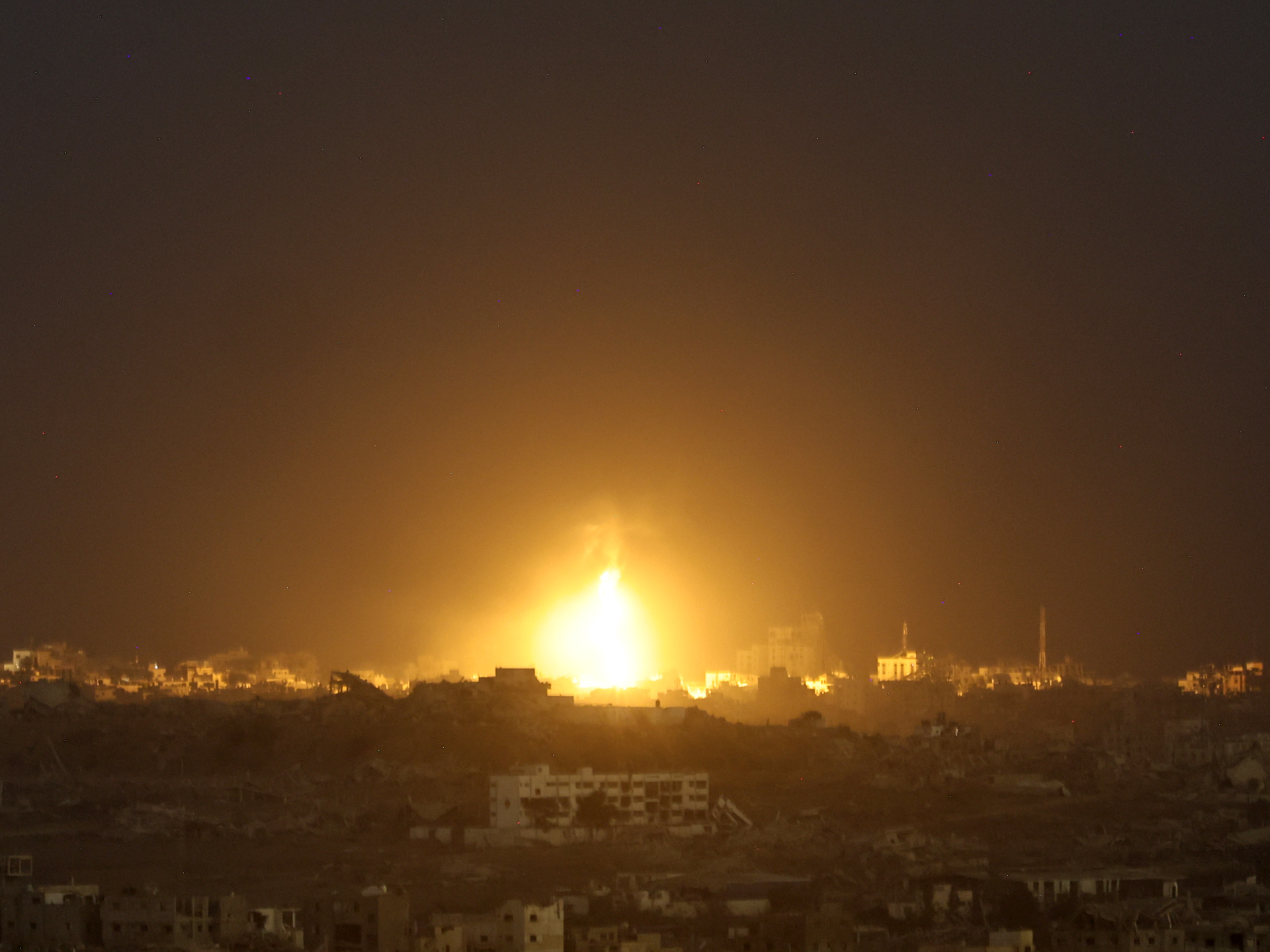
Informed sources reported that the reasons for the closure are directly linked to the recent military escalation and the escalating regional tensions between Iran and the occupation authorities. Reports indicated that shrapnel resulting from the interception of ballistic missiles fell in various neighborhoods of Jerusalem, some of which landed very close to the church walls, prompting the authorities responsible for the site to take strict precautionary measures to protect visitors and the historic building, despite no direct structural damage occurring.
This closure is considered an unprecedented step in the church's long history, as religious institutions have consistently kept their doors open to worshippers even during the darkest security circumstances and wars that the region has witnessed. This timing carries deep religious implications, as it interrupts a series of inherited traditions that have not ceased for centuries, placing church institutions and pilgrims before a complex security reality that threatens the completion of customary religious rituals at this time of year.
Regarding the ceremonies, the decision cast a dark shadow over the rituals of 'Holy Saturday' or 'Holy Light,' a rite anticipated by millions of believers around the world, especially in Orthodox churches. The traditions of transporting the holy flame from Jerusalem to world capitals, such as Athens, face severe logistical and security challenges, which may deprive many Christian communities of performing their usual annual rituals amid the continued state of military alert in the region.
This measure is relatively unprecedented in the history of the church, which has maintained open doors for pilgrims even during the most difficult periods of previous wars.


Share your opinion
Closure of the Church of the Holy Sepulchre in Occupied Jerusalem Amid Unprecedented Regional Escalation