






The American administration's efforts to mobilize international military support in the Gulf region have faced significant obstacles, after several of Washington's most prominent allies explicitly refused to send naval vessels to the Strait of Hormuz. These stances come amidst escalating tensions that have led to the closure of the strategic waterway through which about 20% of global energy supplies pass.
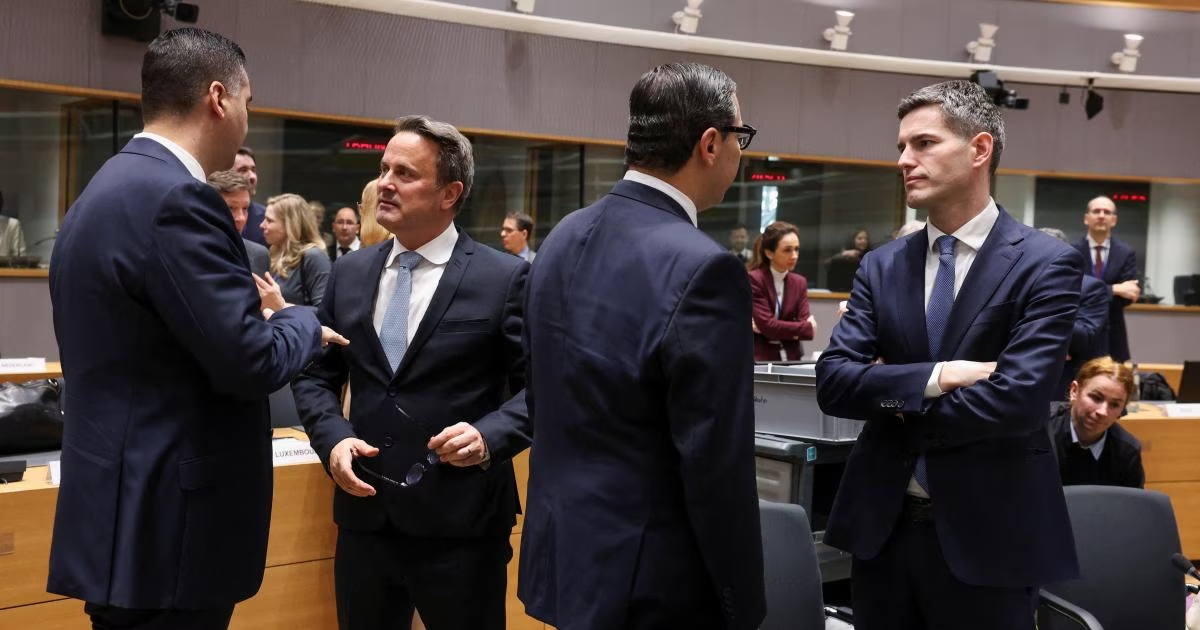
Influential European countries, primarily Germany, Spain, and Italy, affirmed that they have no immediate plans to participate in any military operations aimed at forcibly opening the strait. This approach reflects the Old Continent's desire to distance itself from the White House's escalatory policies towards Tehran and avoid sliding into an all-out confrontation with uncertain outcomes.
For his part, German Defense Minister Boris Pistorius sharply criticized the American demands, questioning the military utility of sending limited European frigates compared to the immense capabilities of the US Navy. Pistorius stressed that his country would not be drawn into a conflict it did not ignite, describing the current situation as 'not our war'.
In the same context, the German government spokesman clarified that Berlin was not consulted by Washington or Tel Aviv before the outbreak of the current confrontations. He pointed out that the United States had previously stated that European assistance was unnecessary, making the current request surprising in German political circles.
In Rome, the Italian position was firm regarding the risks of military involvement, with Deputy Prime Minister Matteo Salvini stating that sending warships to an active conflict zone is an explicit declaration of entering into war. Salvini affirmed that Italy is not hostile to any party and will not risk its soldiers in a complex regional conflict.
On the European diplomatic front, EU foreign policy chief Kaja Kallas revealed a desire to strengthen existing naval missions, but without expanding their geographical scope. Kallas explained that foreign ministers agreed to keep Operation 'Aspides' within its current boundaries, refusing to include the Strait of Hormuz in its mandate.
Greece, which leads the 'Aspides' mission, announced that its military activity would remain confined to the Red Sea region only. This stance confirms the European apprehension about approaching Iranian coasts, where direct confrontations and missile threats that have disrupted navigation are concentrated.
In London, British Prime Minister Keir Starmer adopted more diplomatic language, yet not without caution, indicating that his country would work on collective plans to ensure freedom of navigation. However, Starmer stressed that Britain would not be drawn into a wider war, hinting at the possibility of contributing only technical systems for mine detection.
Denmark, meanwhile, called for the necessity of keeping diplomatic channels open and working to de-escalate, despite dissatisfaction with developments on the ground. Its foreign minister considered that Europe's contribution should primarily aim to calm the situation and prevent a full-blown explosion in the vital region.
In the Netherlands, Foreign Minister Tom Berendsen considered that making decisions about military missions in the Gulf requires a precise timeframe and legal framework within NATO. Berendsen affirmed that these decisions are 'crucial' and cannot be made hastily, noting the absence of a concrete proposal for discussion at present.
On the international level, Beijing entered the crisis by holding intensive talks with all concerned parties with the aim of achieving comprehensive de-escalation. The Chinese Foreign Ministry indicated that the stability of the Strait of Hormuz represents a supreme international interest, and that dialogue is the only way to end the closure that harms the global economy.
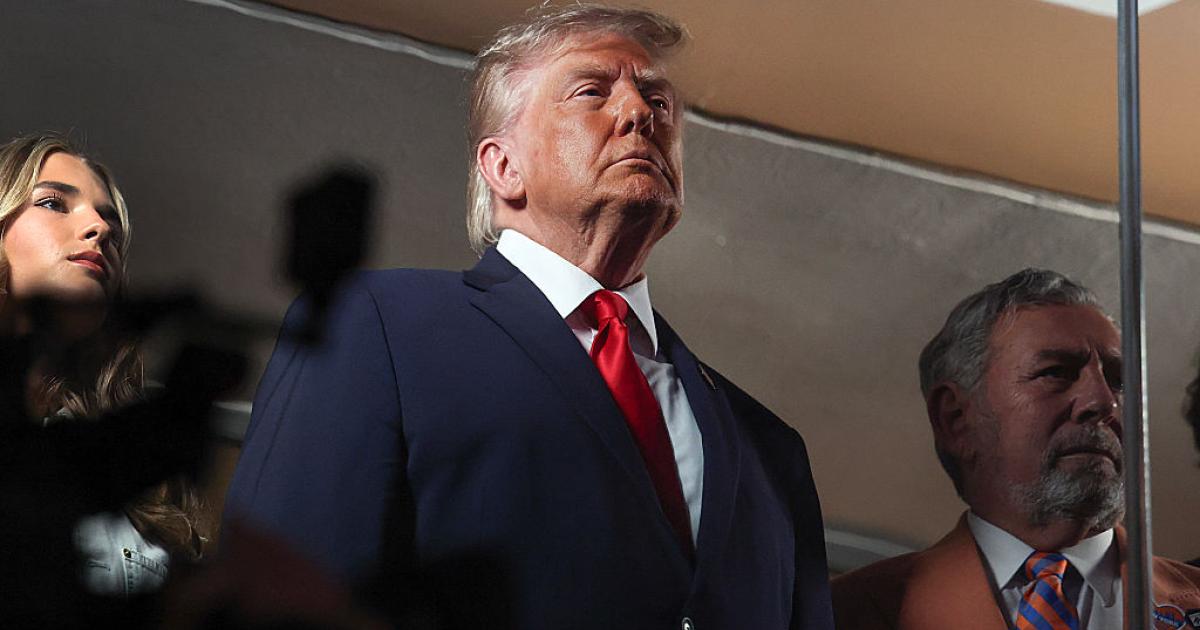
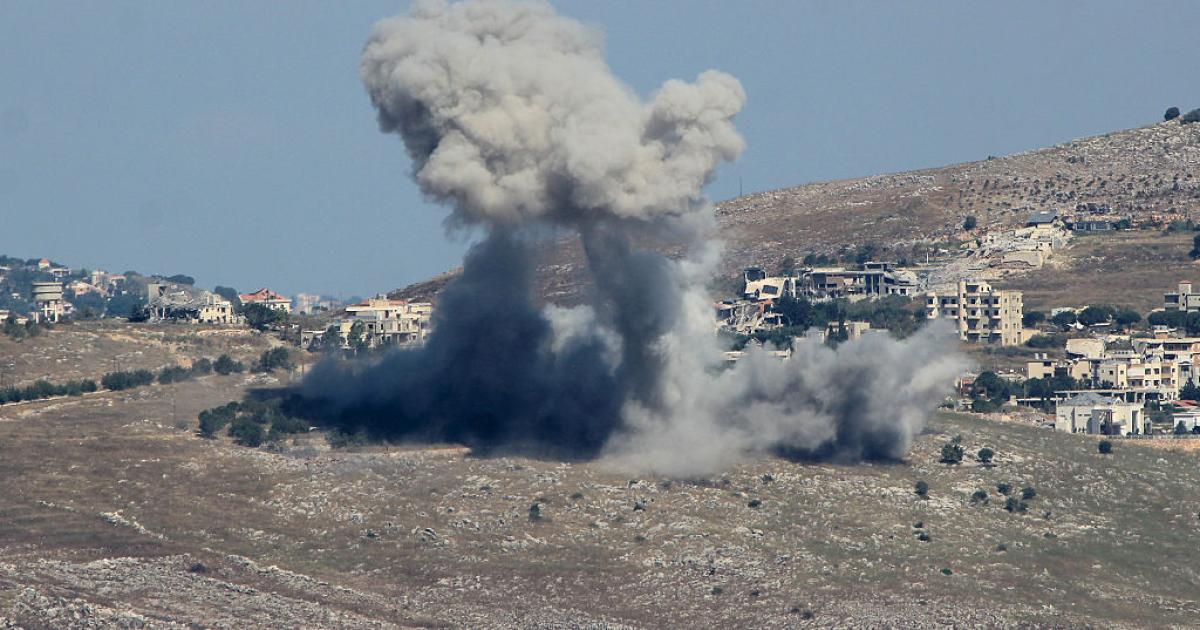
US President Donald Trump had called on the international community to assume its responsibilities in securing navigation, after Iran succeeded in paralyzing tanker traffic. Tehran, in response to American-Israeli attacks, used a mix of drones and ballistic missiles, in addition to deploying naval mines in narrow passages.
Observers believe that the European rejection represents a blow to Washington's efforts to build a military 'maximum pressure' alliance against Iran. European capitals prefer to adhere to legal and international paths, away from engaging in alliances led solely by the United States outside the framework of the United Nations or collective consensus.
The Strait of Hormuz remains a major arena of international contention, as its effective closure has led to disruption in global energy markets and increased pressure on oil-importing countries. With continued European refusal to intervene, American options remain limited between unilateral escalation or seeking a political settlement that ensures the reopening of the waterway.
This is not our war, and we did not start it; what does Trump expect a handful of European frigates to do that the powerful US Navy cannot?



Share your opinion
Washington's Allies Reject Trump's Request for Military Intervention in the Strait of Hormuz