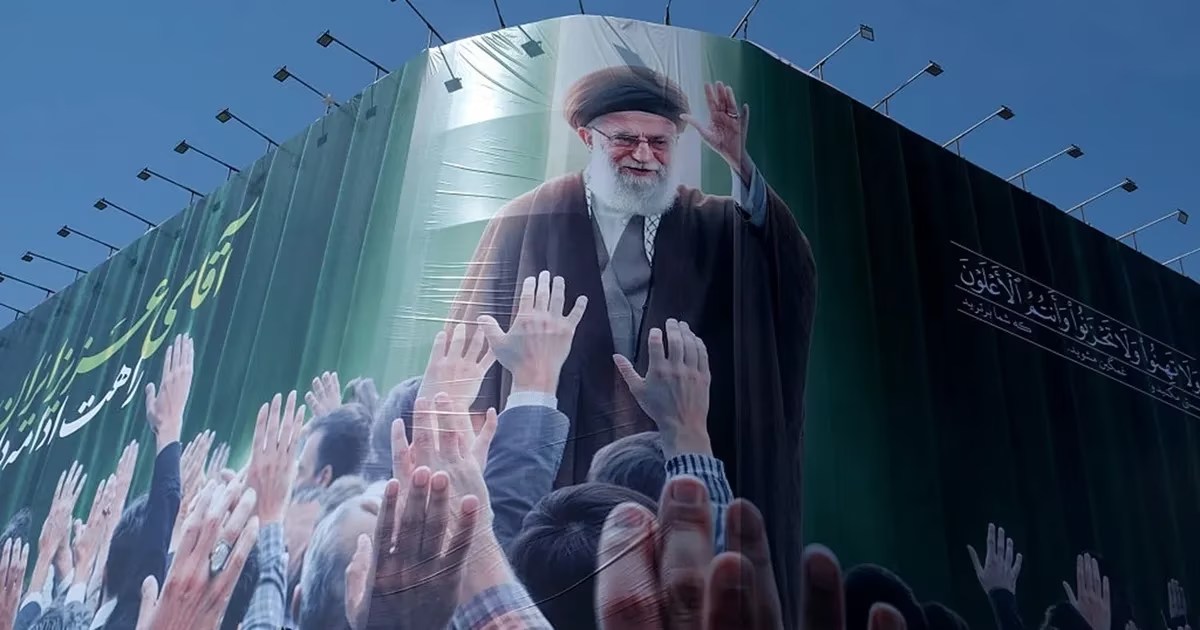







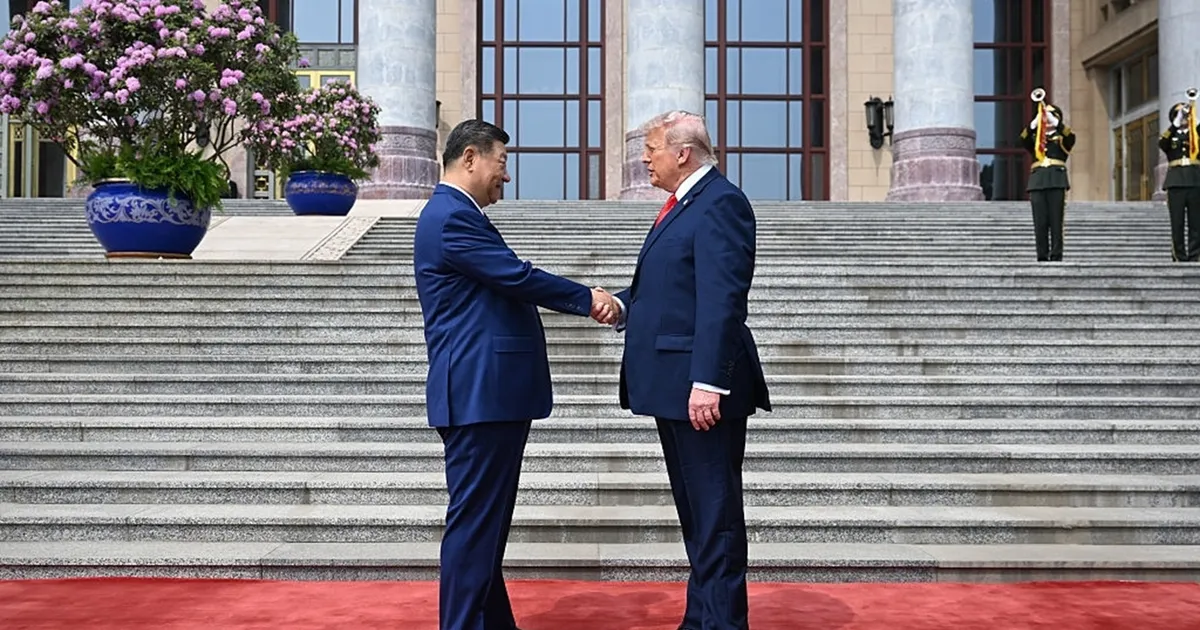
The leadership landscape in many totalitarian regimes, particularly in Iran, shows a clear dominance of the older generation, with officials under the age of sixty rarely seen in positions of influence. This phenomenon is not merely about biological age; it reflects a deliberate freezing of the leadership cycle within the regime's structure, transforming desired stability into a state of chronic stagnation.
Confining decision-making to a limited elite for decades leads to institutions becoming closed circles that exclude new generations and prevent them from having real influence. In this context, accumulated experience transforms from a tool for development into an obstacle that resists change, initiating a process of internal erosion that affects vital state joints and deprives them of their flexibility.
In contrast, vibrant nations adopt a logic of periodically renewing elites, allowing new political languages and tools to emerge that are compatible with contemporary societal transformations. Western democracies have seen leaders in their thirties and forties ascend to power, such as Rishi Sunak in Britain and Emmanuel Macron in France, reflecting these systems' capacity to inject new blood.
Looking at the Iranian experience, we find that the upper echelons of decision-making remain hostage to the generation of the revolution that rose in 1979, with a clear absence of institutional succession mechanisms. This situation has led to a noticeable slowness in adapting to international changes, resulting in defensive decisions lacking a spirit of initiative, which is clearly evident in recent tactical failures.
Totalitarian regimes inherently fear internal competition, and therefore prefer absolute loyalty over professional competence, choosing monotonous continuity instead of creative renewal. Over time, these regimes transform into entities that reproduce themselves and their crises, instead of innovating real solutions to the challenges facing their young societies.
The dilemma of aging leadership is not limited to states; it extends to traditional ideological movements that fail to seize the appropriate historical moment for change. In Jordan, Islamist leaders are preoccupied with marginal organizational and legal disputes over party names, at a time when regional realities demand deeper and more contemporary strategic visions.
In the Egyptian case, a sharp division emerges within the Muslim Brotherhood between elderly historical leaders who refuse to step down and a rising generation that possesses different tools. This fragmentation hinders the organization's ability to formulate a political narrative capable of resonating with the aspirations of a street that moves at a much faster pace than its traditional leaders.
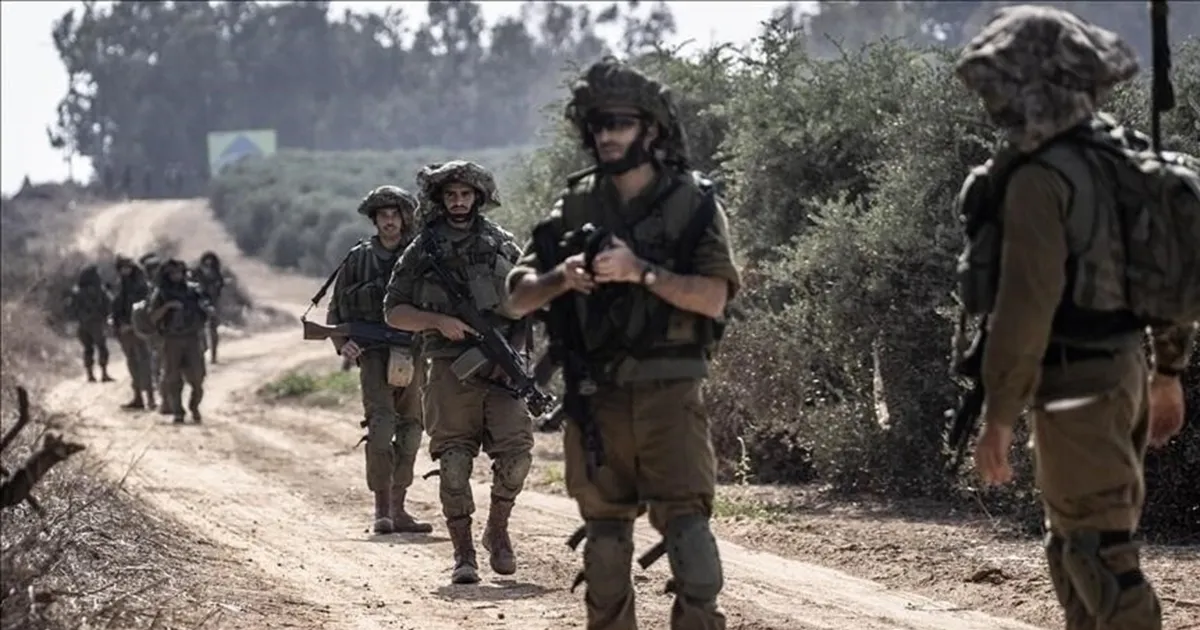
On another note, field experiences in conflict zones such as Syria, the Gaza Strip, and Yemen have proven that the presence of youth in centers of action was a decisive factor. Young field leaders emerged, demonstrating greater boldness in decision-making and an exceptional ability to use modern technology in organization, media, and politics.
The failure of systems in institutional learning is due to the absence of real accountability that allows for acknowledging mistakes and correcting deviant paths. Moreover, the absence of power transfer deprives institutions of changing incentives and breaking the circles of narrow interests that form around historical leaders who refuse to leave the scene.
When generational renewal paths are closed, the system becomes a prisoner of its past decisions and revolves in a vicious circle of justifying failure instead of learning from it. This political deadlock inevitably leads to doubling down on the same tools that proved ineffective in the past, accelerating the collapse of popular legitimacy.
It must be emphasized that youth alone is not an automatic guarantee of success; there must be institutions that balance the enthusiasm of youth with the experience of elders. The successful equation lies in creating a true partnership between generations, where experience becomes a wise guide and the energy of youth becomes a driving force towards the future.
The fundamental question that political elites should ask is not about the age of the leader, but about the vitality of the idea and its ability to renew and keep pace with the times. Regimes that close their doors to new generations are, in fact, announcing the beginning of their end, because they lose the ability to understand the language and needs of the era.
History always proves that survival is for those most capable of adapting and transforming mistakes into cumulative knowledge that serves the public good. In light of the rapid transformations the world is witnessing, leadership renewal is no longer a political luxury that can be postponed, but has become an imperative necessity to ensure the stability of nations and protect them from erosion.
In conclusion, the growing gap between young societies and aging leaders represents a ticking time bomb that threatens the stability of totalitarian regimes. Opening up to youth and transferring leadership is the only way to overcome stagnation and ensure the building of a future based on competence and innovation instead of loyalty and rigidity.
History does not forgive regimes that fear their youth, and renewal is not a political luxury but a fundamental condition for survival and continuity.

Share your opinion
The Crisis of Aging Leadership in Totalitarian Regimes: Why Are Youth Absent from Decision-Making Centers?