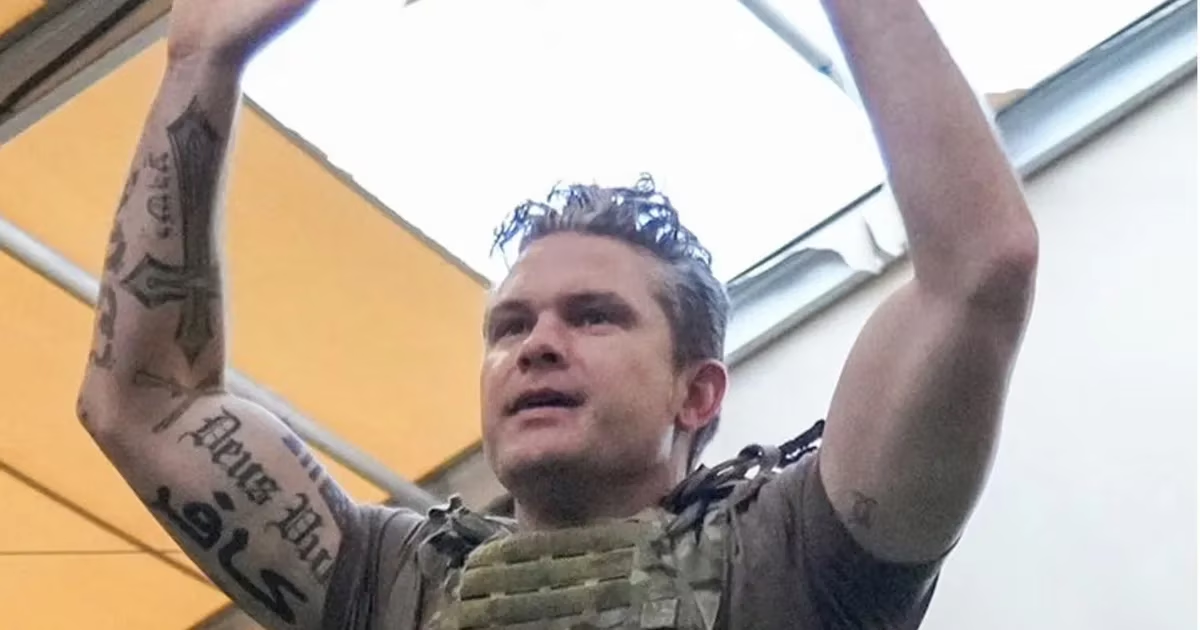







US Secretary of Defense Pete Hegseth sparked a wide wave of controversy in political and international circles following his statements that directly linked US military operations against Iran with a religious ideological discourse. Hegseth affirmed in media interviews that the US armed forces do not fight solely with their technical capabilities, but are supported by 'God's providence,' warning that questioning Washington's resolve is a strategic mistake made by adversaries.
Observers believe that this type of discourse reinforces the prevailing impression in the Islamic world that the United States is waging a 'religious war' under political and military cover. During his recent appearance, the Secretary emphasized the superiority of the American fighter not only in equipment but also in will and spiritual connection, considering the current confrontation a struggle against 'extremists' seeking to fulfill destructive religious prophecies.
Hegseth did not limit himself to verbal statements but brought this religious spirit into the halls of the Pentagon, where he quoted verses from 'Psalms' during official ceremonies for the repatriation of soldiers' remains. The Secretary spoke of the Lord as 'the rock' who trains the hands of soldiers for battle and their fingers for war, reflecting a deep overlap between his personal beliefs and his official duties as the leader of the world's most powerful army.
Hegseth's vision is based on a firm conviction that the United States is a Christian nation in its essence and historical formation, which he seeks to preserve and enshrine within the military institution. The Secretary believes that the 'arsenal of faith' is no less important than the 'arsenal of liberty,' calling for the restoration of the religious identity that he believes has been marginalized in favor of secular language in recent decades.
The symbols chosen by the Secretary show the depth of his influence by the history of the Crusades, as he bears tattoos of the 'Jerusalem Cross' and Latin phrases that were the motto of European fighters in the Middle Ages. These symbols, according to analyses by international media sources, are not mere adornment but express the 'God wills it' philosophy he adopts in confronting what he describes as existential threats.
In his book 'American Crusade,' Hegseth goes further, describing the current phase as a 'crusading moment' that requires a Christian mobilization similar to what happened a thousand years ago. The book warns of the danger of 'Islamists' who seek to reshape societies, emphasizing the necessity of military, cultural, and geographical confrontation to push back this tide.
The Secretary adopts a hardline stance on the concept of 'Islam as a religion of peace,' considering it an 'illusion' that hinders the American mission to protect its values and interests. He claims in his writings that Islam has been in a perpetual state of war with those he describes as 'infidels' since its inception, a confrontational view that raises fears of transforming political conflicts into ideological wars that do not accept compromises.
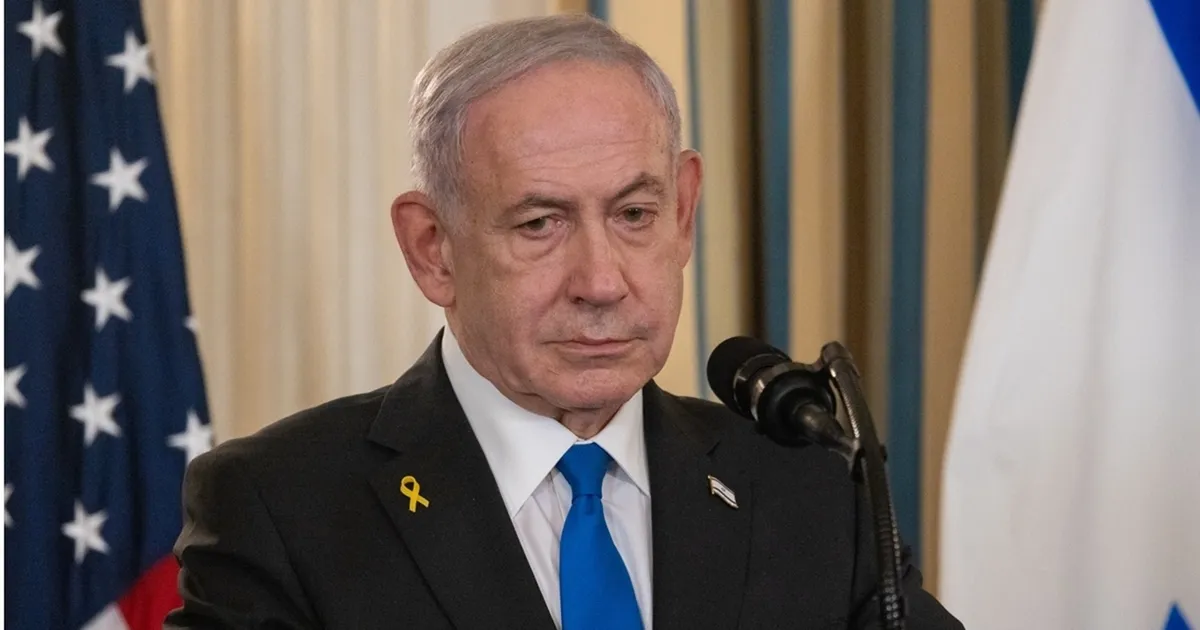
In terms of foreign policy, Hegseth's absolute support for the Israeli occupation stands out as part of his 'Christian Zionist' doctrine. He sees Israel's strength and existential defense as part of biblical prophecies, considering the alliance between Washington and Tel Aviv a religious and moral alliance that transcends traditional geopolitical interests.
Within the Department of Defense, the Secretary launched initiatives aimed at strengthening the role of military chaplains and amending their guidance manuals to include more explicit religious language. He also began organizing monthly prayers at the Pentagon and hosting religious figures who advocate for 'Christian Nationalism,' raising concerns among organizations defending religious freedoms within the military.
Military human rights sources reported receiving numerous complaints about the transformation of discourse within combat units into language associated with 'the end times.' Experts warn that this trend provides rich propaganda material for extremist groups in the Islamic world, portraying the conflict as a new crusade directly targeting Muslim countries.
Academic research indicates that Hegseth's ideas represent a blend of 'Christian Nationalism' and 'American Exceptionalism,' a vision that arranges the world in a hierarchy placing Christians at the top. This thinking makes the conflict with countries like Iran a battle of values and beliefs, not merely a dispute over regional influence or the nuclear program.
Despite the criticism, Hegseth appears to enjoy support from a broad popular base that believes the United States must return to its religious roots to confront global challenges. These supporters believe that 'tolerance' in the Secretary's view may mean 'surrender,' which he completely rejects in the context of his management of defense and national security files.
The Secretary's attempts to reconcile Christian teachings of peace with his calls for military confrontation reflect the nature of the current phase of the US administration. He believes that the commandments of 'turning the other cheek' do not apply to a Secretary of Defense tasked with protecting a nation in conflict, thereby legitimizing the use of excessive force under religious cover.
In conclusion, Pete Hegseth represents a new model of American leadership that does not hide its ideological agenda, putting US relations with the Islamic world to a real test. As the military and political war continues, the question remains about the extent of the impact of this 'crusading' vision on regional stability and the future of international alliances.
America was founded as a Christian nation, and it remains a Christian nation in its DNA, and we are not only warriors armed with the arsenal of liberty, but we are also armed with the arsenal of faith.



Share your opinion
The 'Crusade' Doctrine in the Pentagon: How Does the US Secretary of Defense View the Islamic World?