







The severity of the humanitarian suffering in the Gaza Strip escalated today, Saturday, as the blood of martyrs mingled with the dust of sandstorms that swept through the tents of displaced persons. Medical and field sources reported the martyrdom of a Palestinian woman by Israeli occupation army bullets in Al-Maghazi camp, coinciding with the injury of two children with varying degrees of wounds due to the collapse of a wall in Khan Yunis city as a result of the strong winds hitting the area.
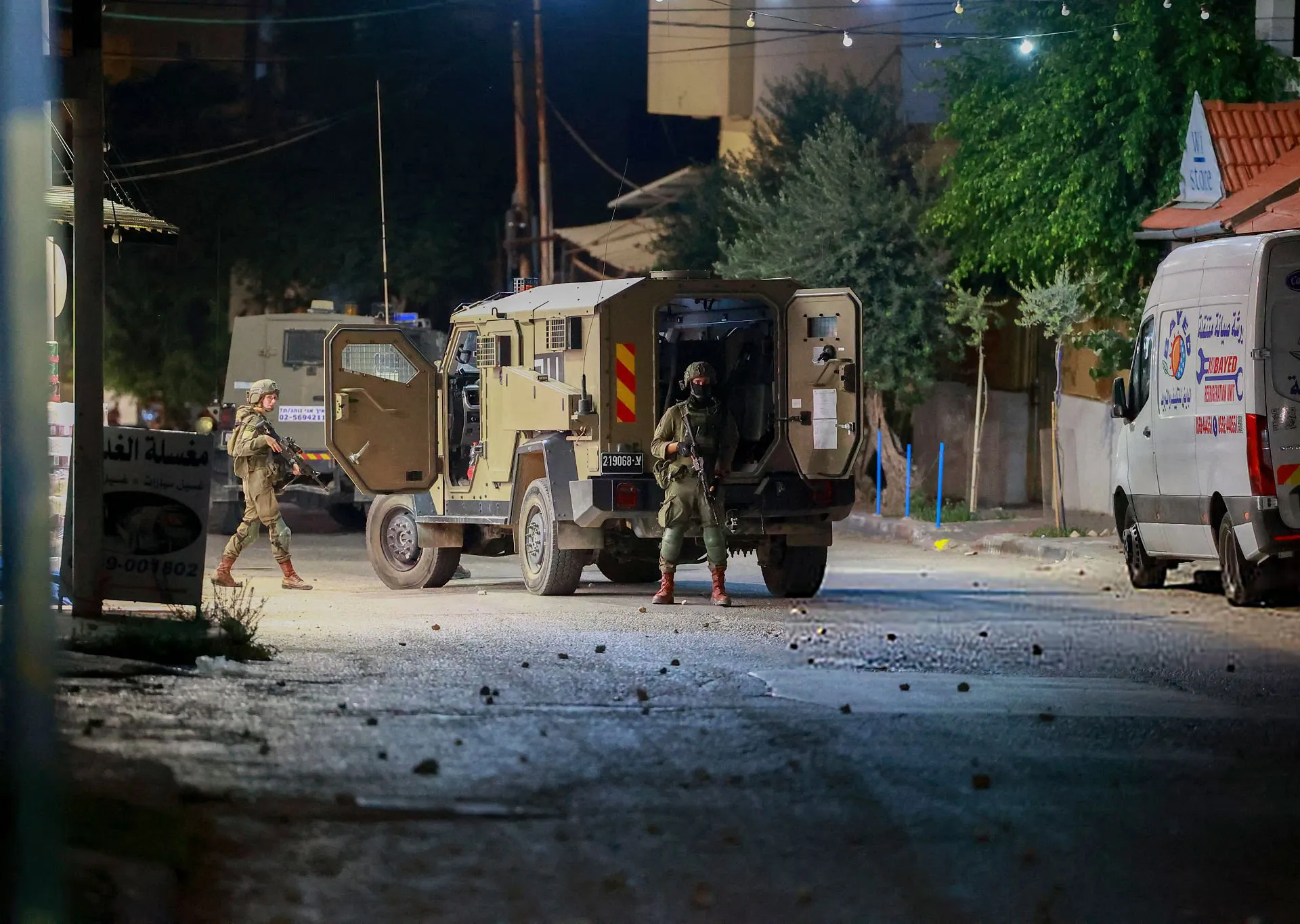
In details of the field attacks, sources stated that occupation vehicles stationed in the eastern areas of Al-Maghazi camp fired live bullets directly at the woman from the Abu Shawarb family, leading to her immediate death. This incident comes in the context of a series of ongoing violations of the fragile ceasefire agreement that came into effect last October.
Official statistics issued by the Ministry of Health in Gaza revealed that hospitals received seven martyrs and 13 injured during the past forty-eight hours. With this new toll, the number of victims of Israeli violations since the start of the truce has risen to 659 martyrs and more than 1700 injured, raising questions about the seriousness of adherence to the concluded agreements.
Regarding the total toll of the aggression since October 2023, the ministry confirmed that the number of officially registered martyrs reached 72,234 martyrs, while the number of injured exceeded 171,000. Medical teams indicated that search operations under the rubble are still ongoing, with 756 bodies recovered since the cessation of major military operations.
Away from the bullets, displaced persons in the Strip faced a harsh climatic challenge with a dense sandstorm that covered the sky with a dark orange color. This storm led to an almost complete lack of horizontal visibility, and caused dust and sand to infiltrate the dilapidated tents housing hundreds of thousands of families in open displacement areas.
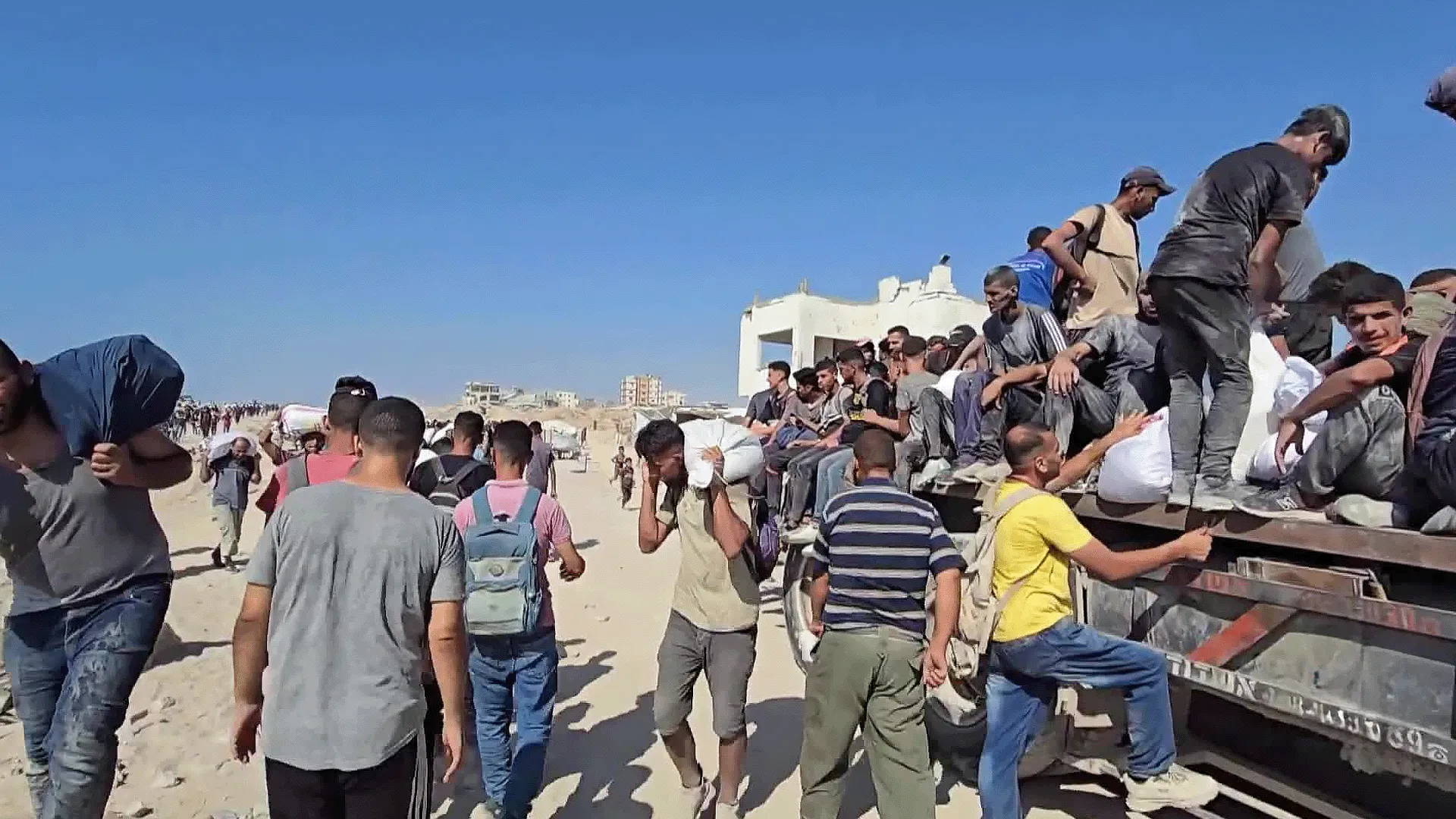
Residents in various shelter areas tried to secure their tents using ropes and heavy stones for fear of them being uprooted by strong winds. Thousands of families, including children, the sick, and the wounded, live in conditions lacking the minimum elements of protection from weather fluctuations, which exacerbated the deterioration of the health condition of those suffering from respiratory diseases.
For his part, the spokesman for the Gaza Municipality, Husni Muhanna, stated that the sandstorm caused severe damage to residents' property and tents, especially in shelter centers located along the coast. Muhanna explained that the continuation of these weather conditions in the absence of infrastructure puts the lives of thousands at stake, calling for immediate international intervention to provide alternative housing.
Muhanna issued an urgent appeal to the international community and relief organizations to pressure for the entry of humanitarian aid and mobile homes (caravans). He stressed that temporary solutions in the form of canvas tents are no longer effective in the face of successive low-pressure systems and sandstorms that repeatedly hit the afflicted Strip.
In the context of preventive measures, the General Directorate of Civil Defense in Gaza issued a set of recommendations to residents to deal with the dust wave. The directorate called on citizens to avoid leaving their tents except for extreme necessity, emphasizing wearing masks or using wet cloth to cover the nose to avoid suffocation.
UN and local estimates indicate that about 1.9 million Palestinians are now forcibly displaced within the Gaza Strip out of 2.4 million people. These suffer from the loss of permanent shelter after the destruction of vast areas of residential neighborhoods, making them vulnerable to direct targeting or death due to harsh environmental and health conditions.
Despite the relative calm that the ceasefire agreement is supposed to provide, the field reality indicates the continuation of Israeli hostile operations. These violations vary between intermittent artillery shelling and firing at farmers and displaced persons, making a return to normal life a distant prospect in light of the ongoing siege.
Harsher weather conditions exacerbate the suffering of thousands of families living in tents that lack minimal protection, amidst ongoing difficult humanitarian conditions.


Share your opinion
7 Dead in Two Days.. Sandstorm Doubles the Tragedy of Displaced Persons in Gaza Strip