







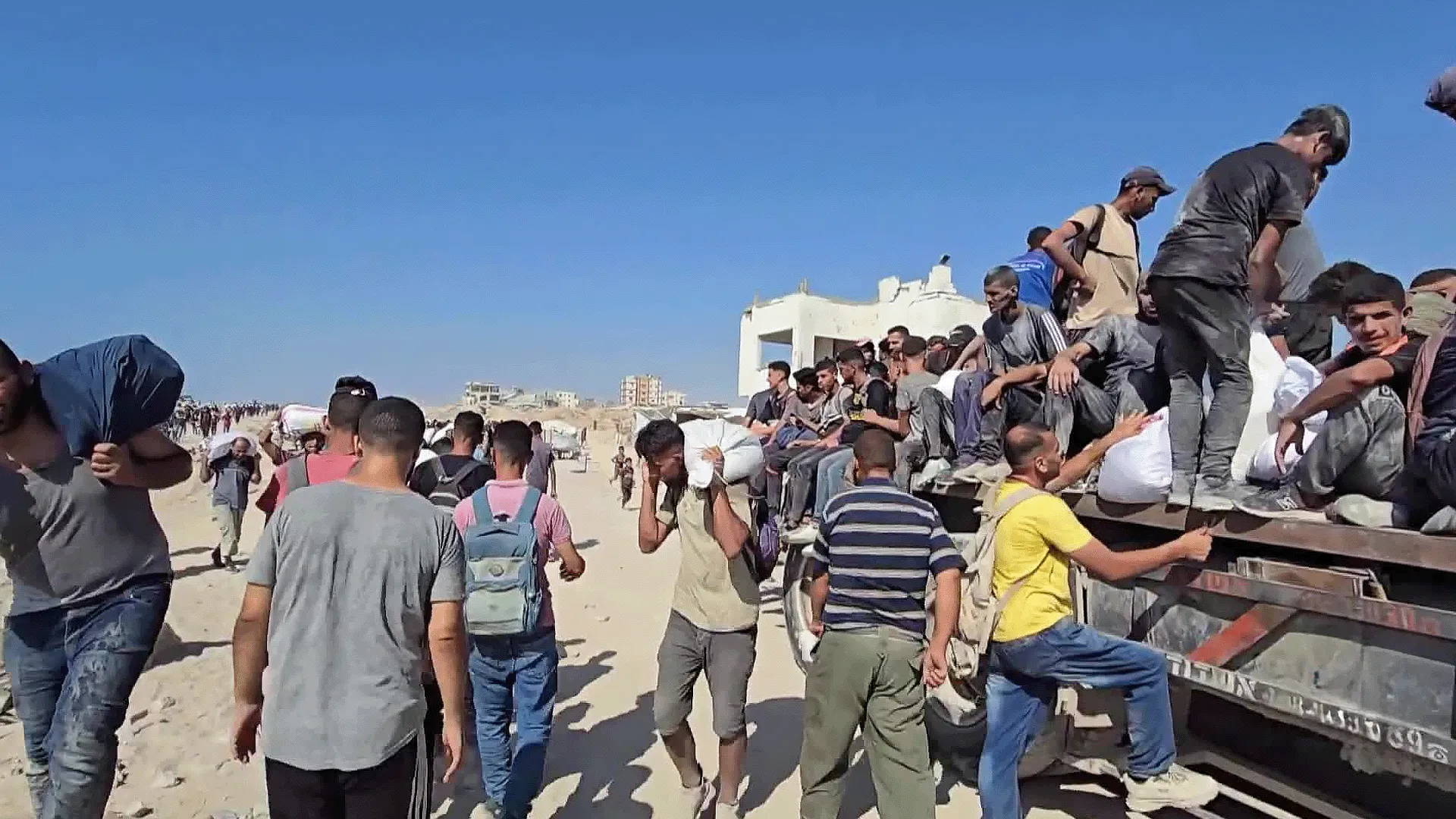
Despite the cessation of military operations in the Gaza Strip since October 2025, the health consequences of the siege continue to plague the population, with approximately 1.6 million Palestinians, or 77% of the total population, facing critical levels of food insecurity. This harsh reality puts the lives of children, pregnant women, and breastfeeding mothers at risk, amid warnings of chronic health problems that could extend for decades as a result of prolonged nutritional deprivation.
Documented data indicates 317 deaths directly linked to malnutrition since the outbreak of aggression in October 2023, including 119 children who died due to lack of food. International reports issued by UNICEF confirm that over 100,000 children and 37,000 pregnant women currently suffer from acute malnutrition, with expectations that this crisis will continue until at least next April.
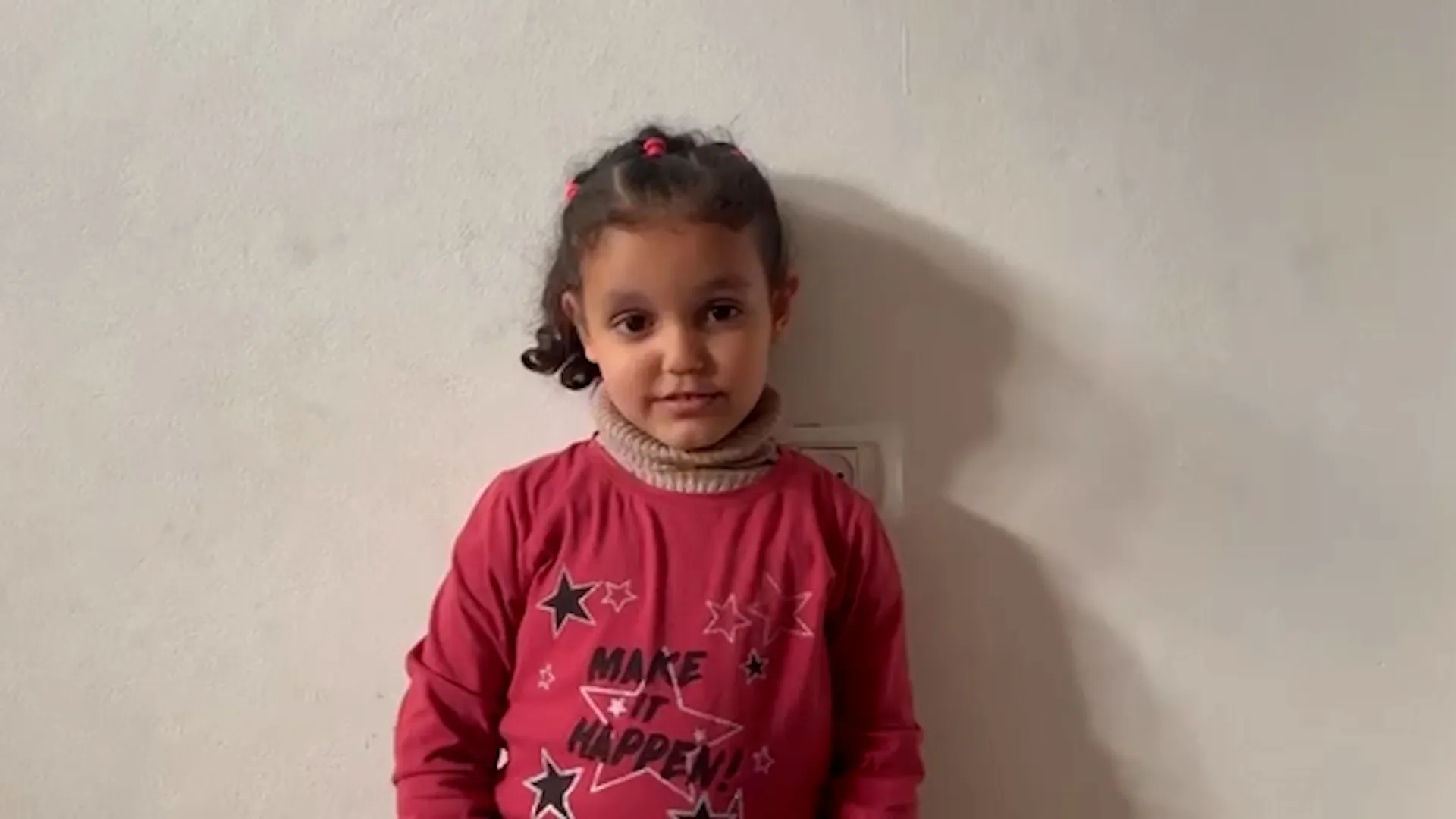
UN statistics reveal a shocking reality, where one in five children under the age of five in the Strip suffers from wasting and acute malnutrition. The figures also show that more than 40% of pregnant and breastfeeding women lack essential nutrients, threatening the collapse of the health system for future generations who begin their lives in an environment lacking the most basic necessities for survival.
International medical sources have warned that acute malnutrition's impact is not limited to general weakness but is closely linked to an increased incidence of non-communicable diseases such as strokes, heart disease, and cancer. Unhealthy diets imposed by the siege are considered among the most significant risk factors that will lead to increased rates of premature deaths due to diabetes and blood pressure disorders in the near future.
Despite the calm of the guns, protein-rich and essential nutrient foods remain very scarce and expensive in Gaza's markets, leaving 79% of families unable to secure complete meals. Reports indicate that two-thirds of children suffer from severe food poverty, with their daily consumption limited to only one or two food groups, which is far below the minimum required for healthy growth.
Scientific studies indicate that survivors of childhood malnutrition face ongoing cognitive and educational difficulties, with their academic abilities and self-confidence lower compared to their healthy peers. Research conducted on adolescents who suffered from malnutrition in their early years also showed a persistent decrease in height rates and a significant increase in psychological and behavioral disorders that accompany them throughout their lives.
Indeed, the risk of malnutrition in Gaza effectively begins in the womb, as the effects of nutritional deprivation are transferred from mothers to fetuses, leading to the birth of extremely low-weight babies. UNICEF sources explained that these newborns face a risk of death 20 times higher than normal newborns, making the beginning of their lives a harsh battle for survival amidst collapsed humanitarian conditions.
Academic research links malnutrition during pregnancy to an increased likelihood of developing cardiovascular diseases and chronic obstructive pulmonary disease in adulthood. Furthermore, congenital changes associated with fetal malnutrition increase the risks of childhood obesity, in addition to osteoporosis and muscle mass loss, making the next generation in Gaza susceptible to premature aging and chronic diseases.
Regarding breastfeeding, sources from the United Nations Population Fund reported that continuous anxiety and acute malnutrition hinder the ability of three-quarters of new mothers to breastfeed their infants naturally. This inability comes at a time when the Strip lacks alternative infant formula, depriving infants of the essential antibodies contained in breast milk, which are the first line of defense against infectious diseases and death.
Reduced breastfeeding rates add a heavy burden on the health system, as children's chances of contracting fatal childhood diseases increase, while mothers' risks of certain types of cancer rise. This close link between maternal and child health makes them the primary victims of starvation policies that have left deep scars on the vital fabric of the Gaza Strip's population, scars that temporary aid will not erase.
In conclusion, the humanitarian situation in Gaza continues to require urgent international intervention that goes beyond merely providing calories to securing quality food that addresses the severe deficiency in vitamins and minerals. The persistence of the nutritional gap means that thousands of children will continue to suffer from stunting and impaired cognitive functions, mortgaging the future of an entire society to the consequences of a siege that spared not even the fetuses in their mothers' wombs.
Low-birth-weight infants face a risk of death approximately 20 times higher than those born at a healthy weight due to maternal malnutrition.



Share your opinion
Gaza Fetuses Under Siege of Hunger: Malnutrition Threatens Future Generations with Chronic Diseases