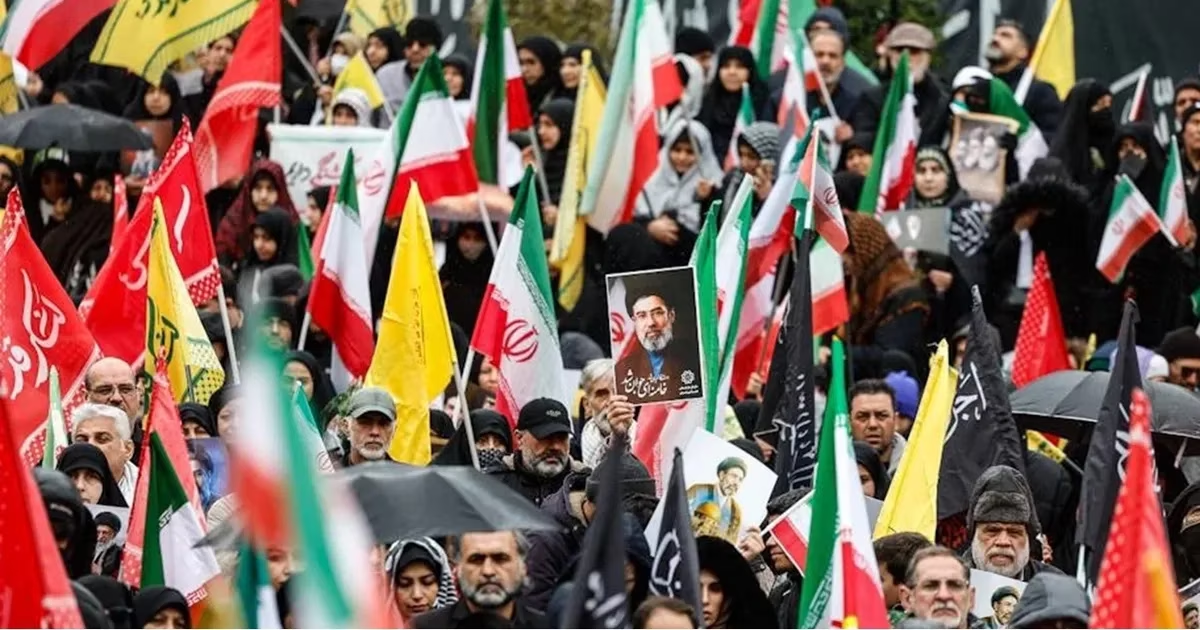







The military analyst for Haaretz newspaper, Amos Harel, confirmed that direct military confrontation with Iran has entered a phase of reviewing expectations after major bets evaporated. He explained that Washington and Tel Aviv built their strategies on the premise that military pressure would generate a popular uprising leading to the overthrow of the regime, which did not happen.
Harel pointed out that intelligence estimates indicated that delivering devastating blows to vital regime apparatuses, such as the Revolutionary Guard and the Basij, would paralyze their ability to suppress. This state of security weakness was supposed to give the masses an impetus to take to the streets, but two weeks of intense bombing did not change the internal scene.
The military analyst touched on another disappointment related to the Kurdish component in Iran, where expectations prevailed that the Kurds would move from the mountains to ignite a rebellion in the cities. Despite widespread media promotion of this hypothesis in Hebrew circles, the reality on the ground proved the inability of these groups to change the internal balance of power.
Regarding the nuclear file, Harel noted that air strikes, despite their intensity, did not completely end the Iranian threat. Iran still retains about 440 kilograms of 60% enriched uranium, a sufficient quantity to produce a rudimentary nuclear weapon if a political decision is made to do so.
The analysis warned that Tehran has succeeded in distributing its nuclear stockpile and sensitive facilities to fortified underground sites, making their elimination by traditional means complex. Iran's technical capability to resume military manufacturing appears to remain intact and strong despite the damage to infrastructure.
On the level of missile capabilities, sources revealed that Iran resumed accelerating its ballistic missile program immediately after the previous fighting subsided. Estimates indicate that Tehran could succeed within just two years in possessing an arsenal of thousands of missiles capable of reaching deep into the occupied territories with high accuracy.
In the context of American motives, Harel explained that President Donald Trump was initially hesitant about the idea of a comprehensive attack. But Washington's success in overthrowing Maduro in Venezuela, and previous protests in Iran, stimulated his desire to repeat the experience to dominate the global energy market and compete with China.
The military analyst believes that there is a recurring pattern in joint military campaigns, where they begin with technological and intelligence surprises that provide a temporary advantage. But the adversary quickly absorbs the shock and begins to implement counter-plans aimed at expanding the conflict and exhausting the attacking forces in a long-term war.
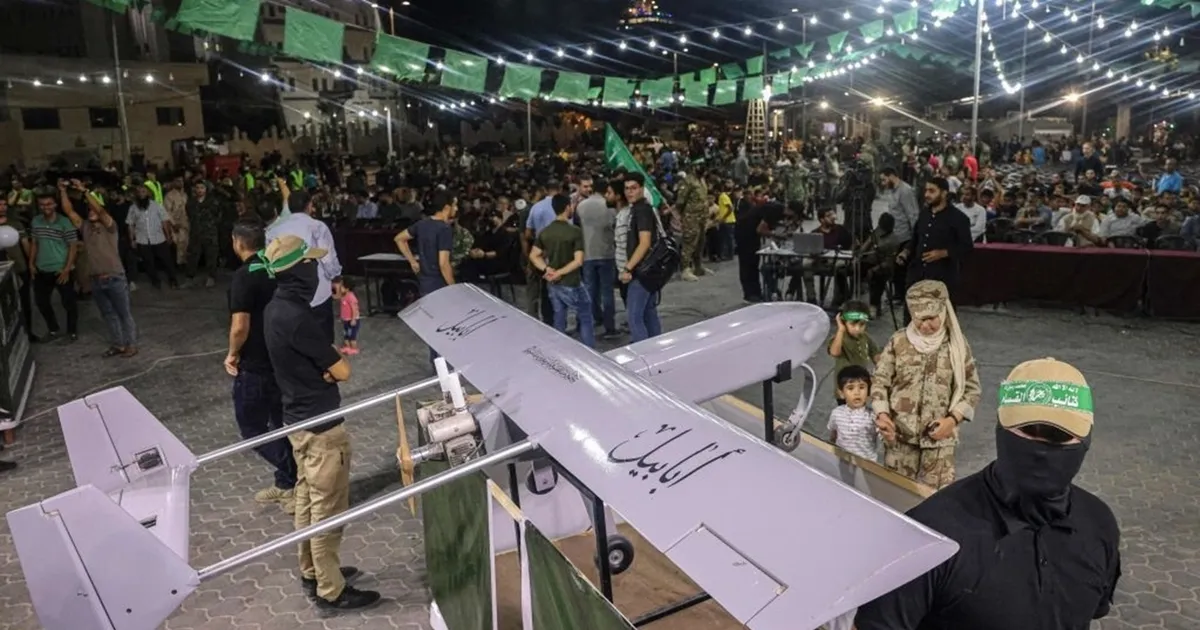
Economic data indicates a huge gap in costs, with the US military budget amounting to 886 billion dollars compared to only 25 billion for Iran. However, Tehran succeeds in draining these huge budgets by using inexpensive weapons such as drones, which cost no more than 50,000 dollars.
In contrast, air defenses are forced to use interceptor missiles, each costing up to two million dollars, making continued confrontation a heavy financial burden. Sources estimate that the daily cost of US military operations in the region has reached about one billion dollars, which serves the strategy of 'exhausting the adversary'.
The Iranian strategy relies primarily on asymmetric warfare and targeting vital global system joints such as shipping lanes and oil supplies. The Strait of Hormuz, through which 20% of the world's oil passes, represents a strategic pressure card in Tehran's hand that it can use to disrupt the global economy at any moment.
Harel noted that Hezbollah in Lebanon also proved to be less vulnerable than initial estimates indicated before the operations began. This steadfastness on the fronts supporting Iran contributed to dispersing Washington and Tel Aviv's military efforts, and led to prolonging the fighting and increasing damage on the home front.
The analysis concluded that the current outcome indicates an escalation of risks for the Gulf states and the internal front of the occupation in the face of an adversary with long endurance. It appears that the 'alliance trap' set by Iran has begun to bear fruit in draining the military and financial capabilities of the United States and its allies in the region.
The new reality forces decision-makers to conduct a comprehensive reassessment of future plans, especially with the failure of the bet on change from within. Iran has proven its ability to adapt to military strikes, while maintaining a pace of military production that threatens the security of the region for years to come.
Hope for Kurdish action or Iranians taking to the streets was dashed, and reality proved that the regime was not affected by the harsh blows as expected.



Share your opinion
Harel: Washington and Tel Aviv's bets on the collapse of the Iranian regime from within have failed