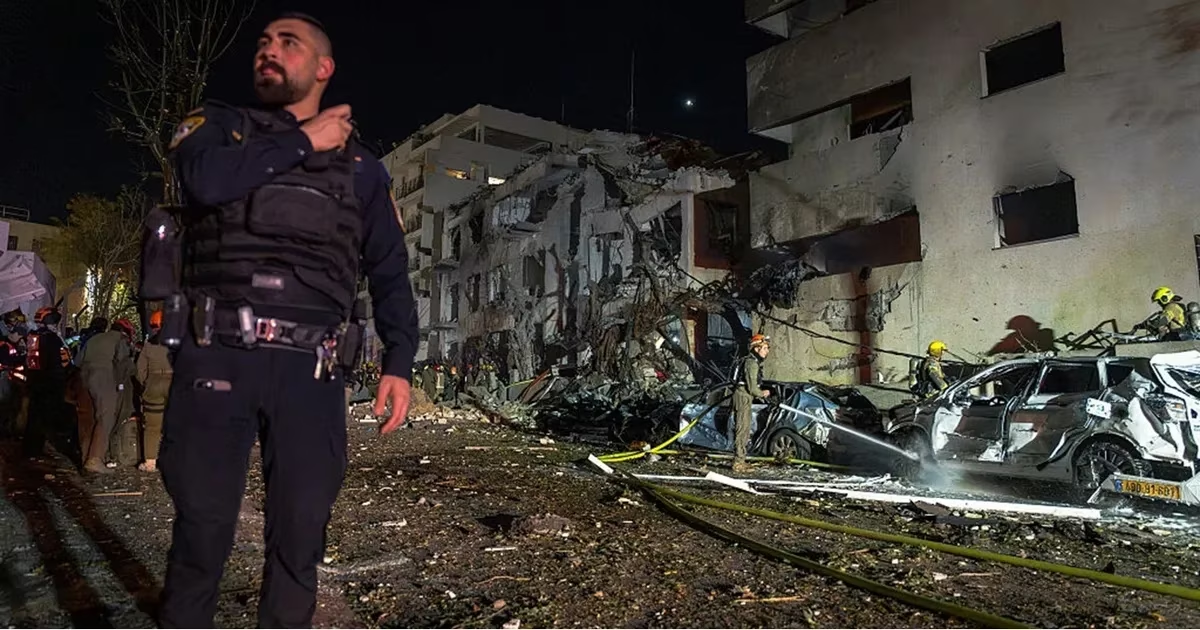







The Israeli propaganda machine is facing scathing internal criticism, accusing it of spreading misleading 'propaganda' about the results of military attacks on Lebanon and Iran. Hebrew reports stated that a number of writers and analysts dared to publicly accuse the government and the army of lying to the Israeli public, considering that the continuation of strikes coming from abroad proves the falsity of official claims of achieving decisive victories.
Writer Nir Kipnis, in an analysis published on the Hebrew website 'Walla', pointed out that news headlines talking about the destruction of dozens of Hezbollah platforms and attacking headquarters in the Dahiyeh have become repetitive and lacking credibility. He explained that this news lacks realistic conclusions after more than two years of war, as the level of threat has not changed despite the intensity of the announced raids.
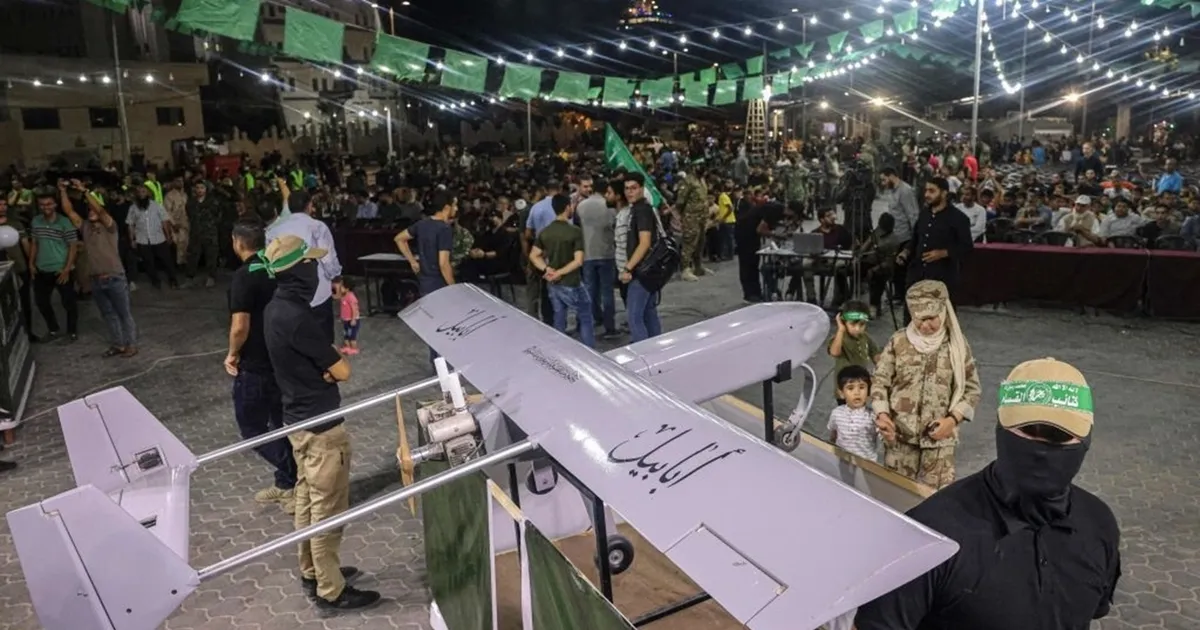
The analysis accused the Israeli military spokesman of relying on imaginary numbers when talking about destroying percentages ranging between 60% and 90% of Iranian or Lebanese missile launchers. It considered that these numbers aim to falsely reassure the Israeli public, while missiles continue to fall on cities and settlements without stopping.
Kipnis strongly criticized the media coordination that promotes the army's readiness for all scenarios, describing it as a 'trick' in which military correspondents participate. He stressed that this type of deception has become very disturbing, especially after the public became accustomed to doubting politicians' promises, and now the doubt has shifted to the leaders of the military establishment who previously enjoyed absolute trust.
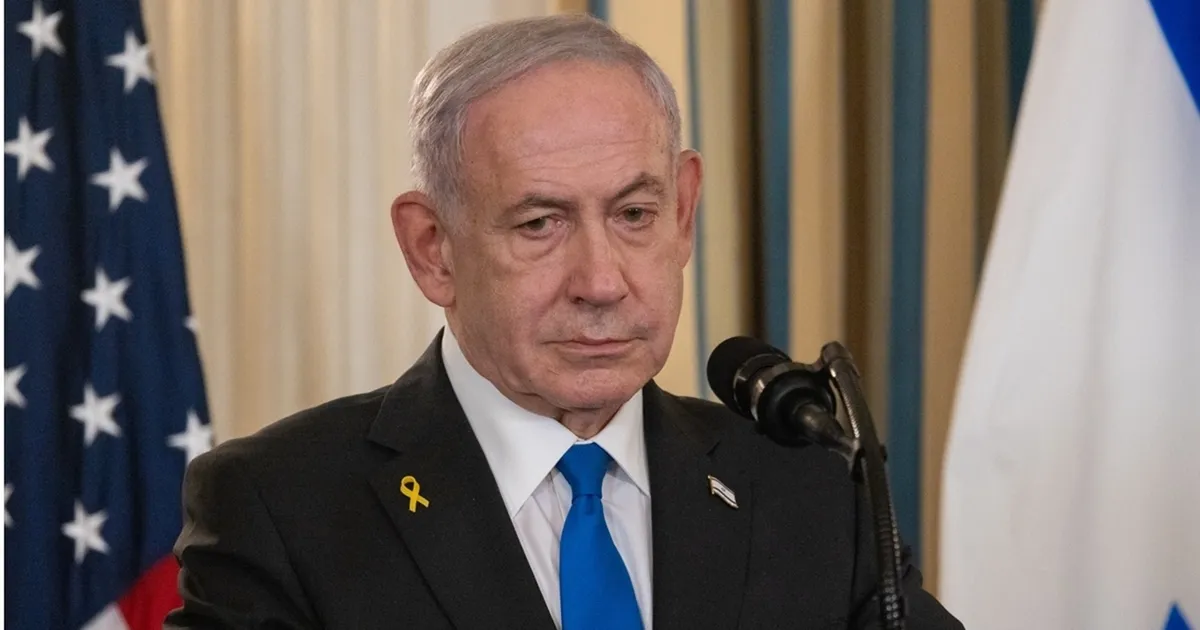
The article recalled previous statements by Prime Minister Benjamin Netanyahu in November 2024, when he claimed that Israel had set Hezbollah back decades. The writer considered that this 'fantasy' that Netanyahu sold to the public clashed with a completely different reality on the ground, as Hezbollah proved its ability to continue to drain the Israeli home front.
The analysis pointed out that the danger lies in accepting generals' statements as absolute facts simply because they wear military uniforms, even though events have proven the inaccuracy of their information. He gave an example of the army's claims about missile defense systems providing 100% protection, stressing that the chance of surviving a direct hit still exists despite all interception systems.
The writer called on the Israeli public to question the statements of high-ranking military officials and not to 'buy' their lies, which aim to embellish the bitter reality. He explained that military leaders, unlike politicians who lie as an instinct for survival, seek to hide their operational failures through polished press releases that have no basis on the ground.
The article also revealed the overlap of interests between the military and politics, as it indicated that some military leaders are involved in partisan games to ensure their promotions and appointments to senior positions. This link has made military discourse a political tool that serves specific agendas instead of presenting the bare truth to the settlers who live under threat.
Nir Kipnis called on army leaders to start telling Israelis the unvarnished truth, warning that disasters often occur immediately after military reassurance statements are issued. He considered that false claims of constant readiness would be rich material for any official investigation committee that might be formed in the future to hold those responsible for the failure to manage the confrontation accountable.
The analysis concluded that the occupation state has lost its credibility with its internal public opinion due to the wide gap between what is announced in military briefings and what actually happens on the ground. He stressed that continuing the deception approach will only lead to more shocks when any widespread escalation occurs that exposes the reality of the army's defensive and offensive capabilities.
Reality has proven that those who wear official military uniforms also lie to us, or that they do not know exactly what they are talking about.



Share your opinion
Sharp criticism of the occupation army: Accusations of systematic lying and misleading public opinion about the results of attacks