







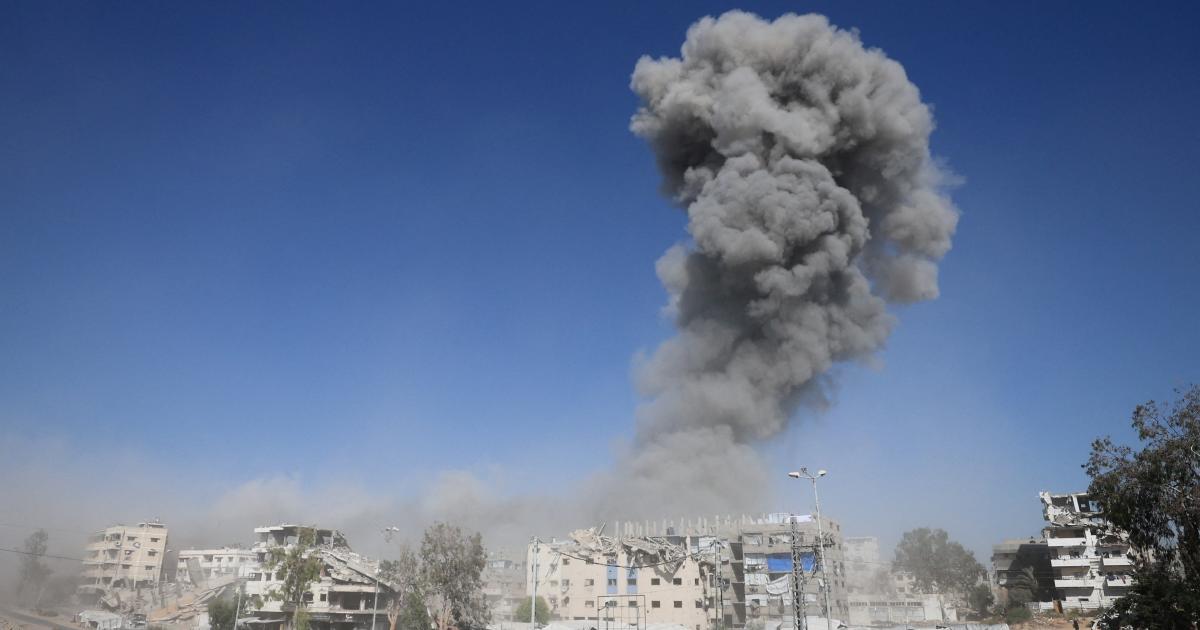
The southern Dahiyeh of the Lebanese capital, Beirut, witnessed a new wave of violent aerial raids early this Friday morning, as Israeli aircraft targeted at least two locations. Thick plumes of smoke rose into the sky over the area, causing panic among local residents who have been facing continuous escalation for days.
In a significant field development, an Israeli drone targeted a civilian vehicle in the Jnah area of Beirut, causing it to completely catch fire. Firefighting and civil defense teams rushed to the scene to extinguish the blaze, amid reports of injuries resulting from this direct targeting in the heart of the capital.
The shelling did not stop at the capital's borders but extended to towns and villages deep in southern Lebanon, where media sources reported that the towns of Doueir, Ansar, and Abba were subjected to intense aerial raids. These attacks resulted in a number of injuries, while ambulance teams continued evacuation and search operations under the rubble.
Diplomatically, the State of Qatar expressed its strong condemnation of these aggressions, describing them as a blatant violation of the rules of international humanitarian law. The Qatari Ministry of Foreign Affairs affirmed in an official statement that what is happening represents a clear breach of UN Security Council Resolution 1701, which aims to maintain stability in the region.
Doha called on the international community to take immediate action and fulfill its responsibilities to compel the Israeli occupation authorities to stop their repeated attacks. It also emphasized its firm and supportive stance for Lebanon's unity and territorial integrity, affirming its support for all efforts aimed at enhancing Lebanese security and stability.
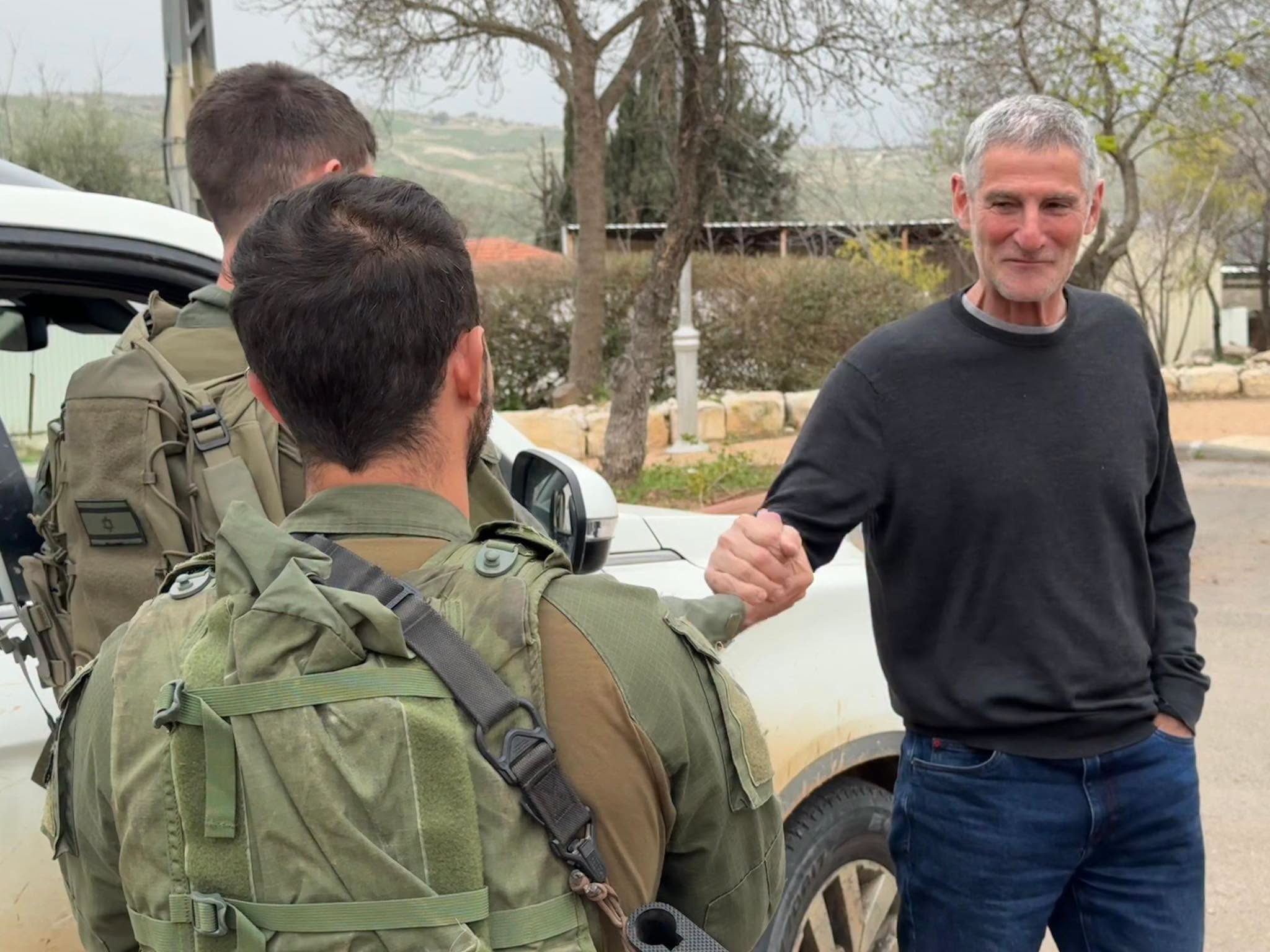
On the other hand, media reports revealed a sharp verbal altercation between the heads of local authorities in northern Israel and the commander of the Galilee Division in the army, Yuval Gaz. This tension came against the backdrop of intense rocket barrages launched by Hezbollah, which caused a complete paralysis in the northern settlements.
Local officials accused the army leadership of misleading them and providing incorrect security assessments about the nature of imminent threats. They expressed their dissatisfaction with the long duration of the sirens, which lasted for ten continuous minutes, reflecting the extent of the failure to contain the recent rocket attacks.
Informed sources indicated that the Northern Command had reassured the mayors hours before the attack that there were no intentions of escalation from Hezbollah's side. However, the reality on the ground was completely different, as the area was subjected to heavy shelling with projectiles and rockets throughout the night.
Thousands of settlers in the north were forced to remain in fortified shelters for long hours due to the continuous shelling, which increased the intensity of popular and official anger against the army. The heads of authorities considered that what happened proves the falsity of military claims that promoted the absence of a direct Hezbollah threat from the border.
Press sources quoted senior officials in the Northern Command as saying that the army's current strategy focuses on the defensive aspect in confronting Lebanon. These officials added that the Israeli strategic focus remains directed towards Iran as the main arena for confrontation, not the Lebanese front.
Despite these military justifications, settlement leaders believe that the army failed to protect them from anti-tank missiles and Hezbollah's offensive capabilities. They affirmed in their confrontation with the military commander that the promises made to them throughout the past year regarding border security were nothing but illusions that dissipated with the first real test.
Mutual military operations continue on the Lebanese-Palestinian border in the absence of any prospect for de-escalation, with the scope of targeting expanding to include vital areas in Beirut. Observers fear that these developments could lead the region to slide into a comprehensive confrontation that goes beyond the currently applicable rules of engagement.
What happened adds to the lie you promoted for a whole year, which is that there is no Hezbollah near the border.
Share your opinion
Israeli escalation targets Dahiyeh and Jnah, Hezbollah rockets ignite internal disputes in the North