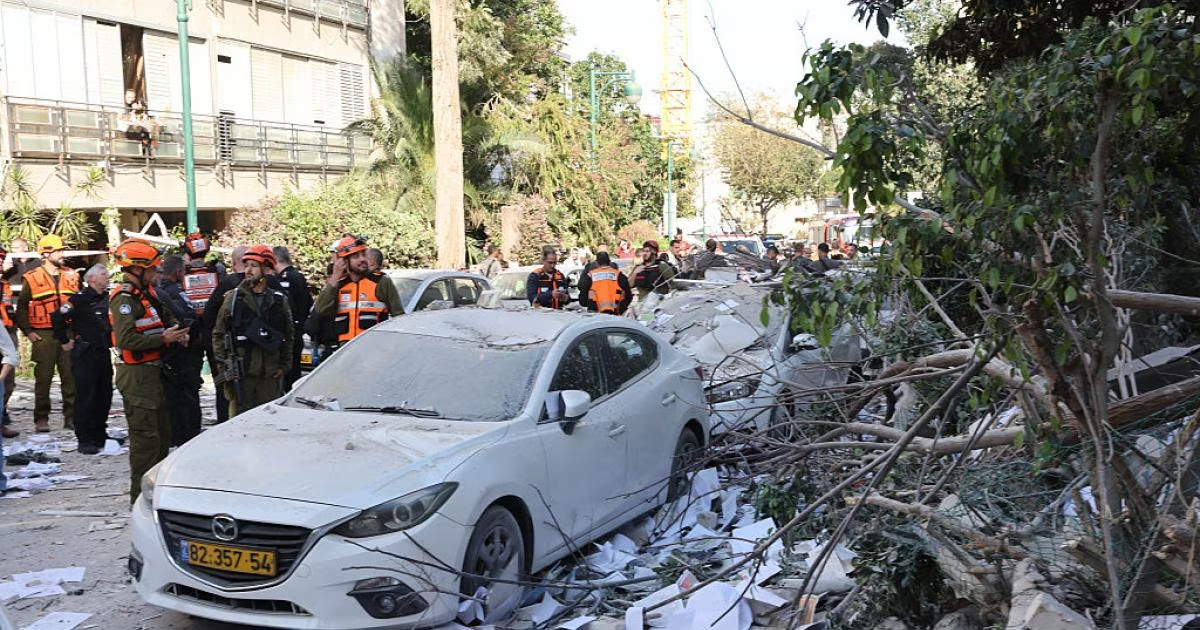







Official data released by the Israeli Ministry of Health today, Wednesday, revealed a significant increase in the number of injured since the start of military operations against Iran in late February. According to updated statistics, the total number of wounded admitted to Israeli hospitals has reached approximately 2557, amidst ongoing mutual attacks in the region as part of what has been dubbed 'Operation Lion's Roar'.
Medical sources clarified that 84 injured individuals are still receiving healthcare in emergency departments and specialized centers, with the condition of 10 of them described as serious. Reports also indicate 9 moderate cases and 71 minor injuries, while one injured person is undergoing a precise medical evaluation to determine the severity of their health condition due to the recent attacks.
In a related context, the Institute for National Security Studies at Tel Aviv University stated that the number of Israeli fatalities since the start of the joint Israeli-American war on Iran has reached 14. However, these figures remain widely questioned by observers, due to the strict military censorship imposed by the occupation on details of human and material losses to avoid impacting the home front.
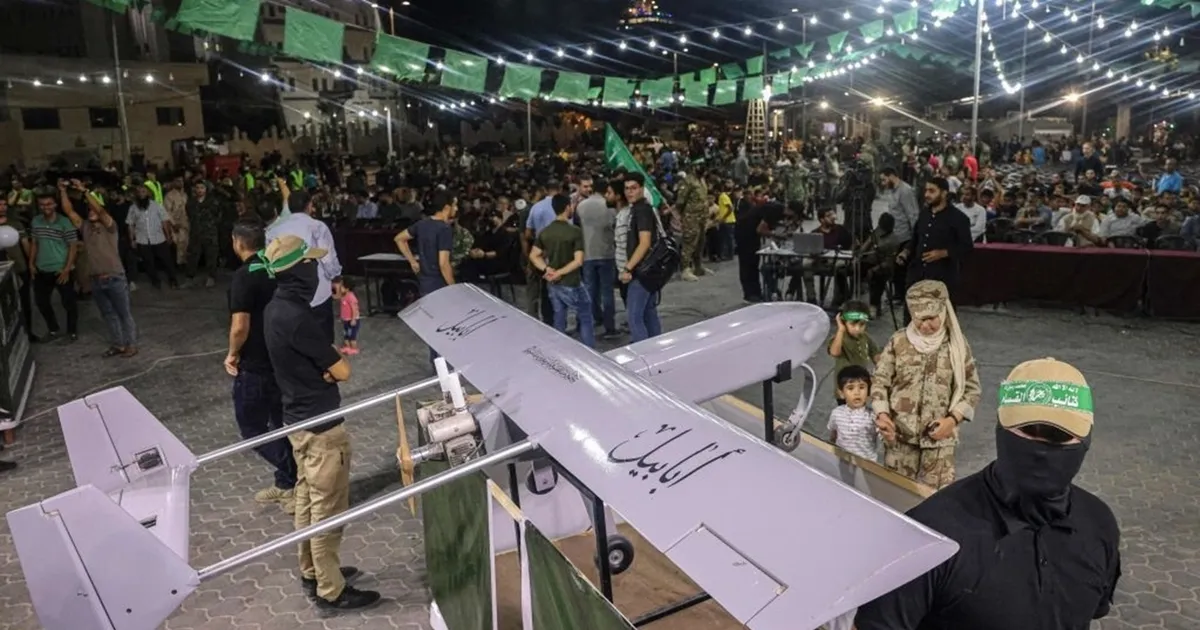
On the ground, informed sources confirmed that the Iranian army has intensified its use of drones to target strategic units and centers deep within Israel in recent hours. Despite Israeli air defenses' claims of their ability to intercept most of these targets, secrecy surrounds the nature of the facilities hit by the bombing, especially sensitive military bases that fall outside the scope of media disclosure.
This scene brings to mind a recurring pattern followed by the Israeli military establishment in previous confrontations, where damage is initially denied and then later retracted and acknowledged. This previously occurred at the 'Nevatim' airbase, which the army denied was damaged before satellite images revealed the accuracy of the hits sustained by the strategic facility in the heart of the Negev.
On the home front, a severe crisis is emerging in protecting Arab residents within the Green Line, as their towns lack the most basic public safety requirements. Data indicates that the percentage of shelters in these areas does not exceed 0.3% of the total shelters in Israel, leaving approximately 46% of the Arab population in homes completely exposed to missile threats without any fortified rooms.
These developments coincide with increasing economic and international pressures, as navigation in the Strait of Hormuz has been halted for the tenth consecutive day, leading to severe disruptions in global energy markets. Oil prices have recorded wide fluctuations ranging between $86 and $119 per barrel, casting a shadow over the stability of the global economy, which is exhausted by the repercussions of the ongoing conflict.
In the United States, the current administration faces growing public opposition, with opinion polls showing that 53% of Americans reject military involvement against Tehran. The majority of voters also expressed their categorical rejection of sending ground troops, at a time when Congress is demanding prior authorization before expanding the scope of a war that many believe its objectives remain unclear.
There is customary Israeli secrecy regarding the nature of targets that may be hit, especially when it comes to sensitive facilities or military bases.



Share your opinion
Number of injured in Israel rises to 2557 since the start of the confrontation with Iran