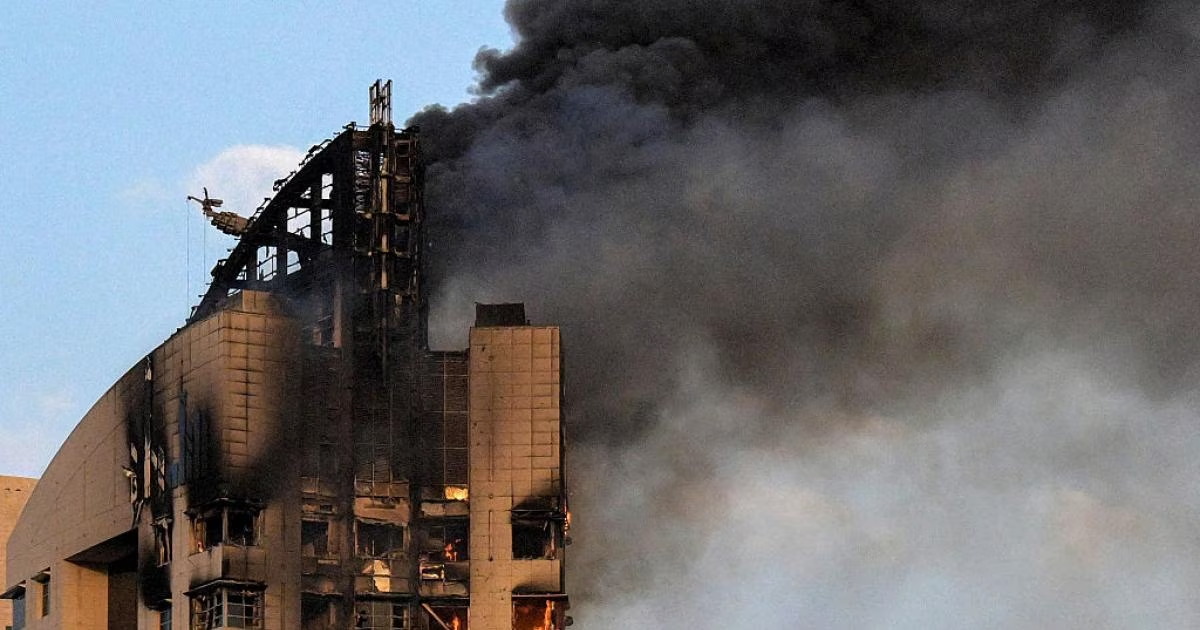







The Arabian Gulf region witnessed a dramatic shift in the early hours of last Saturday, as chronic tensions escalated into a bloody confrontation following the launch of large-scale American and Israeli military operations against targets within Iranian territory. This military explosion was not a surprise to observers, but it placed the Gulf neighboring countries before a new security reality that brings back memories of the turmoil after 1979.
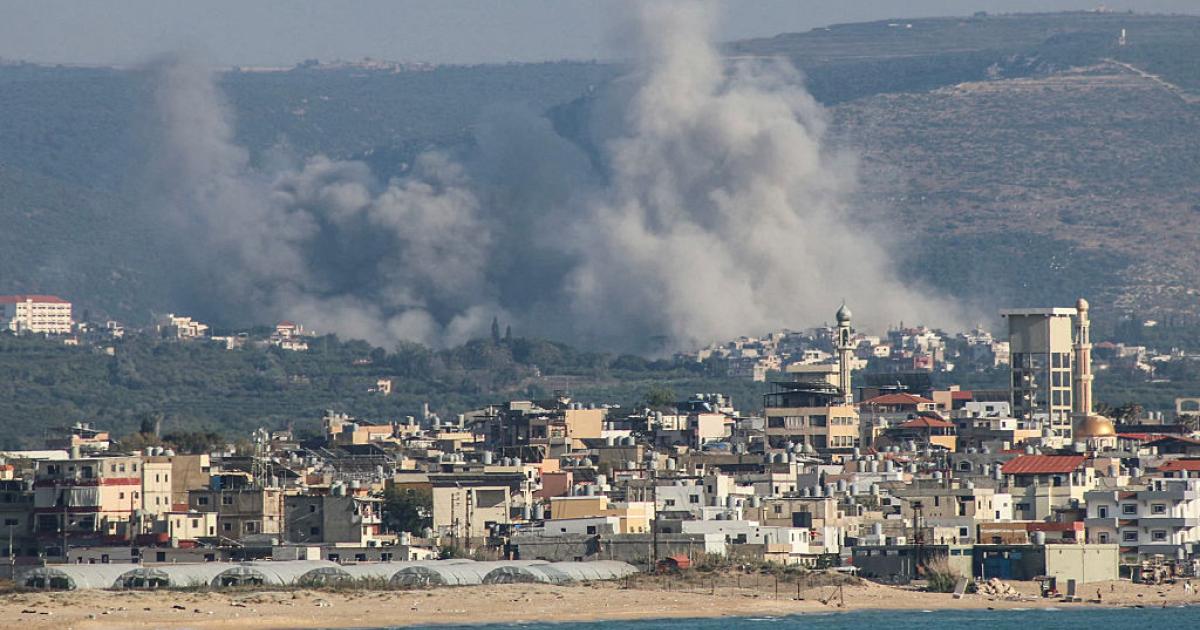
In a direct military response, Tehran directed its arsenal of missiles and drones towards vital installations in the region's countries, disregarding neighborly relations and diplomatic mediations led by capitals such as Doha and Muscat. These attacks generated a deep sense of betrayal among Gulf leaders, especially since the bombing targeted civilian and sensitive economic targets at a time when these countries were seeking to de-escalate.
The most prominent diplomatic move came from Riyadh, where Saudi Crown Prince Mohammed bin Salman initiated intensive contacts with the leaders of the UAE, Qatar, Bahrain, Kuwait, and Jordan. Official sources confirmed that these moves aim to build a united front and mobilize all capabilities to support the countries that were subjected to Iranian aggressions, which contributed to thawing the ice of previous internal disputes.
On the ground, 'Bapco Energies' in Bahrain declared a force majeure after its state oil refinery was targeted, a measure that was repeated in Qatar, which suspended liquefied natural gas production at its Ras Laffan facilities. These developments reflect the extent of economic damage inflicted on global energy lifelines as a result of Iran's insistence on moving the battle to the territories of neighboring countries.
For his part, Qatari Prime Minister Sheikh Mohammed bin Abdulrahman Al Thani described the attacks as a 'grave mistake,' noting that targeting civilian installations cannot be justified. He explained in press statements that his country will not be a party to wars against its neighbors, but what happened in the Gulf represents a threat that will not remain confined to the narrow geographical region.
The Saudi Ministry of Defense, for its part, announced the thwarting of multiple attacks targeting the Shaybah oil field and the Ras Tanura complex, affirming that the Kingdom reserves its full right to respond and protect its sovereignty. Riyadh stressed that targeting civilian objects constitutes a blatant violation of international conventions and reflects Tehran's desire to destabilize the entire region.
Tehran justifies these attacks by claiming to target American bases in the region, with Iranian officials considering these bases as legitimate 'American territory' for targeting. This logic places Gulf countries in a sovereign dilemma, as they find themselves paying the price for an international conflict in which they have no stake, despite their continuous assurances that their territories are not used as a launching pad for raids.
Historically, the specter of 'exporting the revolution' adopted by Khomeini in 1979 was the primary driver for the establishment of the Gulf Cooperation Council in 1981. Today, current events reaffirm that Iranian expansionist ambitions still represent the primary security challenge for the Gulf system, necessitating a comprehensive review of joint defense mechanisms.
The historical irony is that Iran, which was the cause of previous Gulf tensions that reached the point of blockade in 2017, has today become the unifying factor for these countries. Gulf capitals have realized that the common danger transcends side disputes over regional issues such as Yemen, which has prompted them to rapidly restore political cohesion.
Despite defense agreements with Washington, there is a growing feeling in Gulf capitals that relying entirely on American protection is futile. While oil installations are subjected to daily bombardment, international forces merely defend their direct interests, leaving the region's countries to face missile threats alone.
The 'Peninsula Shield Force,' established in the 1980s to protect collective security, today faces difficult questions about its effectiveness in the face of modern warfare and drones. The current challenges exceed the traditional capabilities of these forces, necessitating the development of integrated air defense systems capable of repelling thousands of simultaneous attacks.
The security dilemma in the Gulf is closely linked to the enormous oil wealth that has made the region a coveted prize for regional and international powers. Amidst the 'surplus of conflicts' in the Middle East, the wealthy club of nations finds itself compelled to invest heavily in military technology to compensate for the numerical shortage in its armies compared to Iran's human density.
Qatari diplomacy described the Iranian neighborhood as 'destiny,' an expression that summarizes the geopolitical reality that cannot be changed. But this destiny requires a delicate balance between maintaining open channels of dialogue and building a real deterrent force to prevent the recurrence of 'stab in the back' scenarios witnessed in recent days.
In conclusion, the current war remains a true test of the will of the GCC countries to transition from political coordination to actual defensive unity. The near future will reveal whether these countries will succeed in innovating a self-reliant security umbrella to protect their assets, or if they will remain hostage to the struggle of major powers on their territories.
Iranian attacks on Qatar and Gulf countries are a grave mistake, and they have made us feel a great betrayal from a neighbor we considered an inescapable destiny.

Share your opinion
Military Earthquake in the Gulf: Iranian Attacks Reshape Alliances and Expose Regional Security Dilemma