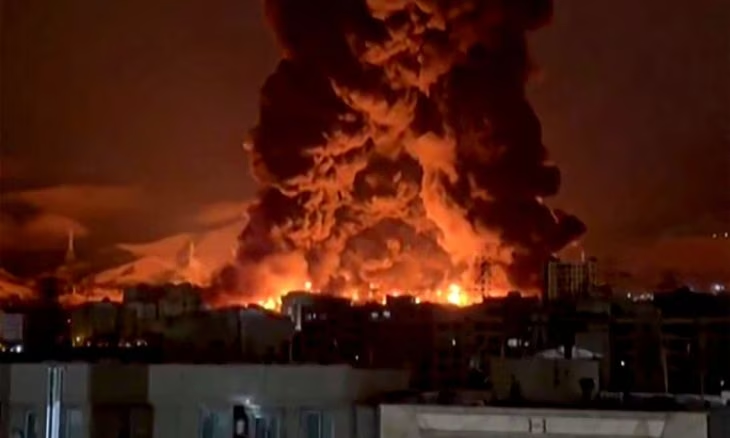







The direct military confrontation between the Israeli-American alliance and the Islamic Republic of Iran has entered its tenth day, amidst sharp differences in Israeli assessments between rushing to destroy the Iranian regime and warning against sinking into an endless quagmire of attrition. Israeli cabinet member Avi Dichter affirmed that the current air operations primarily aim to completely dismantle the Iranian nuclear project, considering that the United States has the capability and responsibility to overthrow the regime in Tehran through intensified aerial bombardment.
In a related context, occupation army commander Eyal Zamir indicated that the current war is not bound by a specific timeline, while sources in the General Staff revealed military preparations to continue fighting for at least another month. These leaders are pushing for continued intense military pressure until the threat of Iranian ballistic missiles is neutralized, as military reports claim the destruction of a large part of Iran's missile capabilities, with only about 150 active launch platforms remaining.
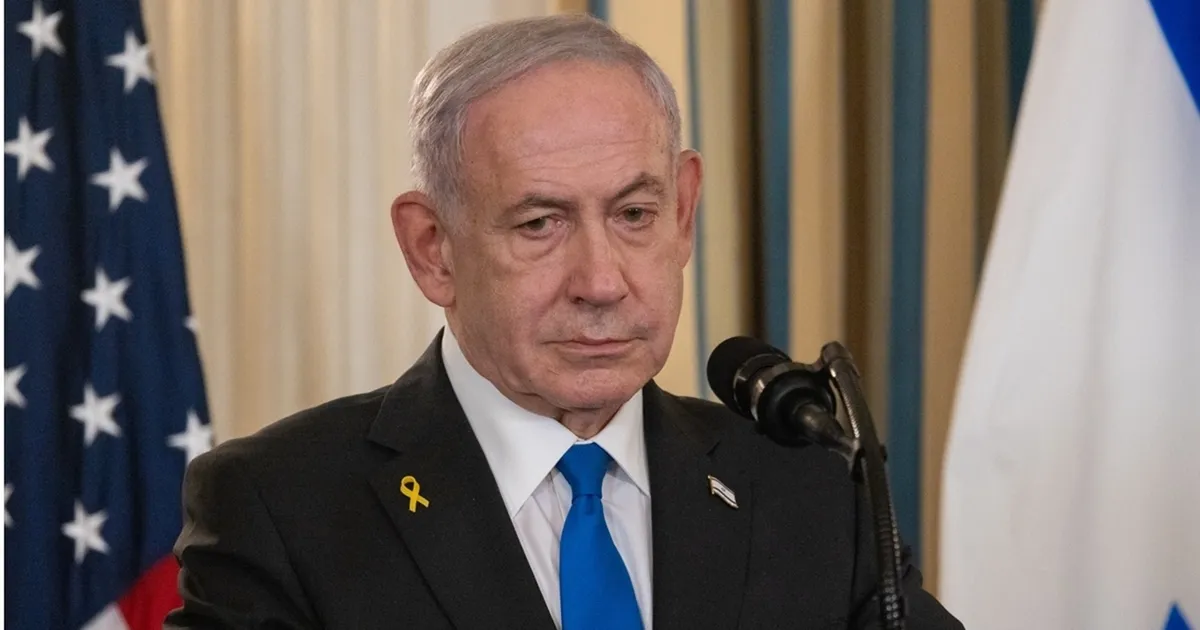
For his part, US President Donald Trump stated that any decision regarding a ceasefire or ending military operations would be made in full coordination with Israeli Prime Minister Benjamin Netanyahu. Trump clarified that the conditions set for ending the war would be firm, while his defense secretary, Pete Hegseth, hinted that Washington does not rule out the option of future ground intervention despite its current focus on overwhelming air strikes.
On the other hand, Israeli voices emerged warning against the consequences of 'intoxication of power,' with reserve general Yisrael Ziv criticizing the absence of a clear exit strategy from the confrontation. Ziv expressed concerns that calls for continued military pressure could lead to Israel's involvement in a long war of attrition, recalling the Iranian regime's ability to withstand for many years, as happened in its previous war with Iraq.
Political analyst Nahum Barnea agreed with this view, noting that the military operations, which began with great momentum, lack a political vision for the next phase. Barnea warned of the effectiveness of 'Iranian patience' and Tehran's ability to disrupt daily life in Israel through sporadic and continuous missile attacks, which could turn initial military achievements into a strategic burden.
In an analysis of the field situation, military analyst Amos Harel pointed out that the war has not yet succeeded in addressing the fundamental nuclear threat represented by the enriched uranium stockpile. Harel warned that the Iranian regime's survival from this wave might push it to accelerate its steps towards acquiring nuclear weapons, criticizing what he described as the government's 'dullness of feeling' towards the suffering of the Israeli home front and the deterioration of economic conditions.
Economic reports indicate that Israel is incurring huge losses amounting to 9.4 billion shekels weekly as a result of the partial paralysis in production sectors and the call-up of 100,000 reserve soldiers. This economic pressure coincides with a sharp rise in global oil prices, posing increasing internal and international challenges for the Trump administration, especially with escalating criticism in Congress regarding the constitutionality of engaging in this war.
On the ground, air raids carried out by F-35 and B2 stealth fighters caused severe damage to a radiation facility in Isfahan, in addition to significant human losses in the capital Tehran. These strikes came after the assassination of Supreme Leader Ali Khamenei and a number of senior military commanders in the opening strike of the operation, causing confusion in the Iranian leadership structure.
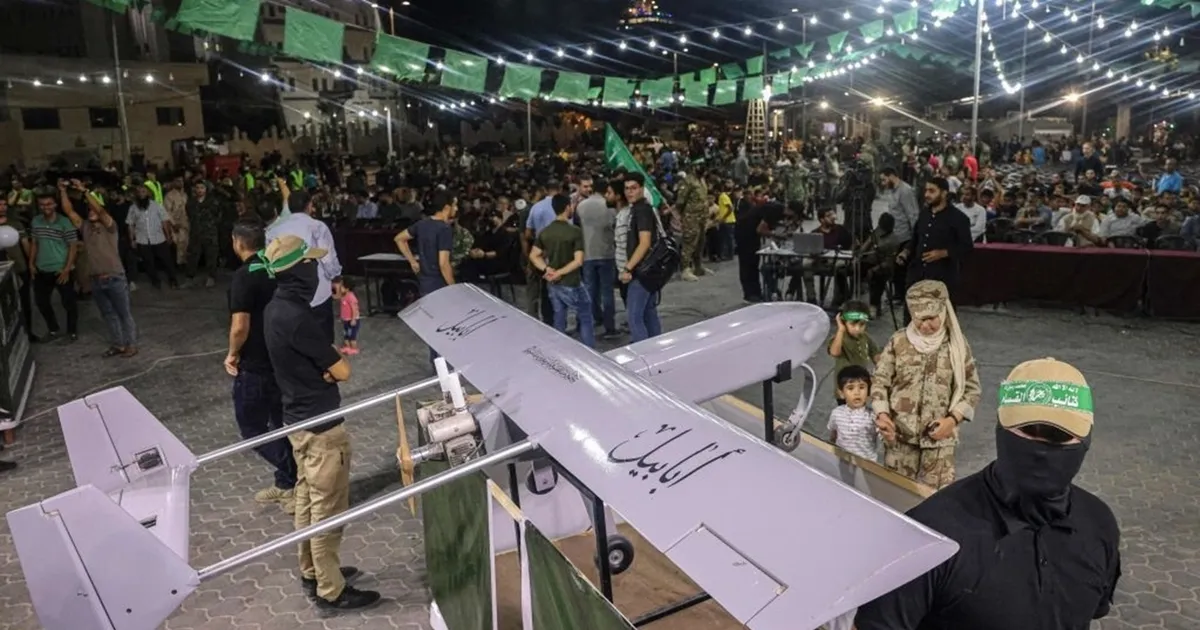
In response to the attacks, Iran launched widespread attacks targeting countries in the Gulf Cooperation Council and vital facilities in Saudi Arabia, Qatar, and Bahrain, as well as the vicinity of Dubai airport. Tehran used hundreds of drones and ballistic missiles in these attacks, in an attempt to raise the cost of the war at the regional and international levels and pressure for a halt to military operations.
Regarding the northern front, Minister Dichter called for not relying on the Lebanese government to dismantle Hezbollah's weapons, affirming that Israel is about to establish a 'wider security belt' in southern Lebanon. These statements come at a time when the Lebanese border is witnessing ground confrontations that have resulted in the deaths of Israeli soldiers, amidst calls to expand the scope of operations to include Lebanese infrastructure.
At the level of the Israeli opposition, Yair Lapid took a hardline stance by calling for the complete destruction of Iranian oil facilities, considering that striking the lifeline of the Iranian economy is the fastest way to overthrow the regime. These statements reflect a state of political consensus within Israel on the need to capitalize on the current momentum to achieve a radical change in regional power balances, despite the looming dangers.
In conclusion, the question remains about Israel's and the United States' ability to decisively win the battle without sliding into a widespread ground confrontation or a war of attrition that drains economic and human resources. With continued mutual bombardment and escalating threats, the region awaits what the coming days will bring, given Washington's and Tel Aviv's insistence on imposing full surrender terms on Tehran.
It is unreasonable for Israel to turn into a hammer looking for every nail to hit; we must be careful not to be dragged into an endless war of attrition.



Share your opinion
Israeli Warnings Against 'Intoxication of Power' and Fears of a Long War of Attrition with Iran