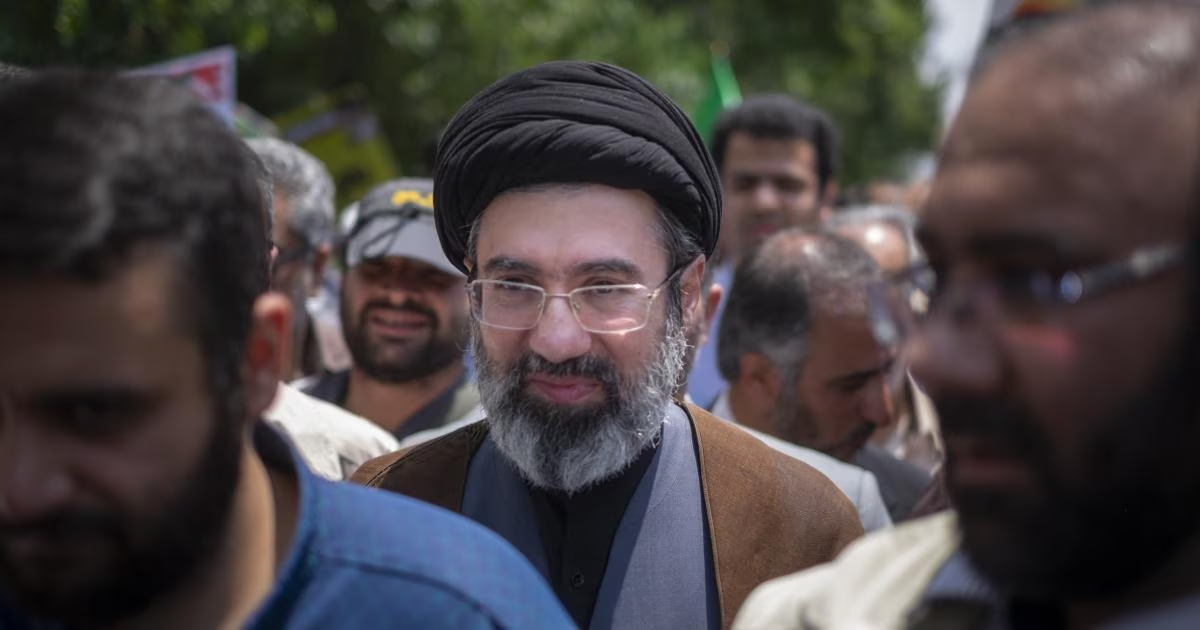







Tehran has settled the succession issue at the top of the Iranian power hierarchy, as the Assembly of Experts announced today, Sunday, the election of Mojtaba Khamenei as the new Supreme Leader of the Islamic Republic. This appointment comes after the death of his father, Ayatollah Ali Khamenei, who was killed at the beginning of the aerial attack launched by American and Israeli forces on the capital, Tehran, on February 28th.
The statement issued by the Council, which includes 88 members, confirmed that the selection of Mojtaba Khamenei came during an extraordinary session and based on a decisive vote from the representatives, making him the third leader of the country since its establishment in 1979. This step is an attempt to consolidate political stability at a time when the country is witnessing widespread security and military unrest.
For his part, the Secretary of the Supreme National Security Council, Ali Larijani, emphasized the new leader's competence in managing state affairs during this critical phase. Larijani indicated that Mojtaba Khamenei possesses the necessary vision to lead the country amidst the sensitive circumstances and external threats currently facing Iran.
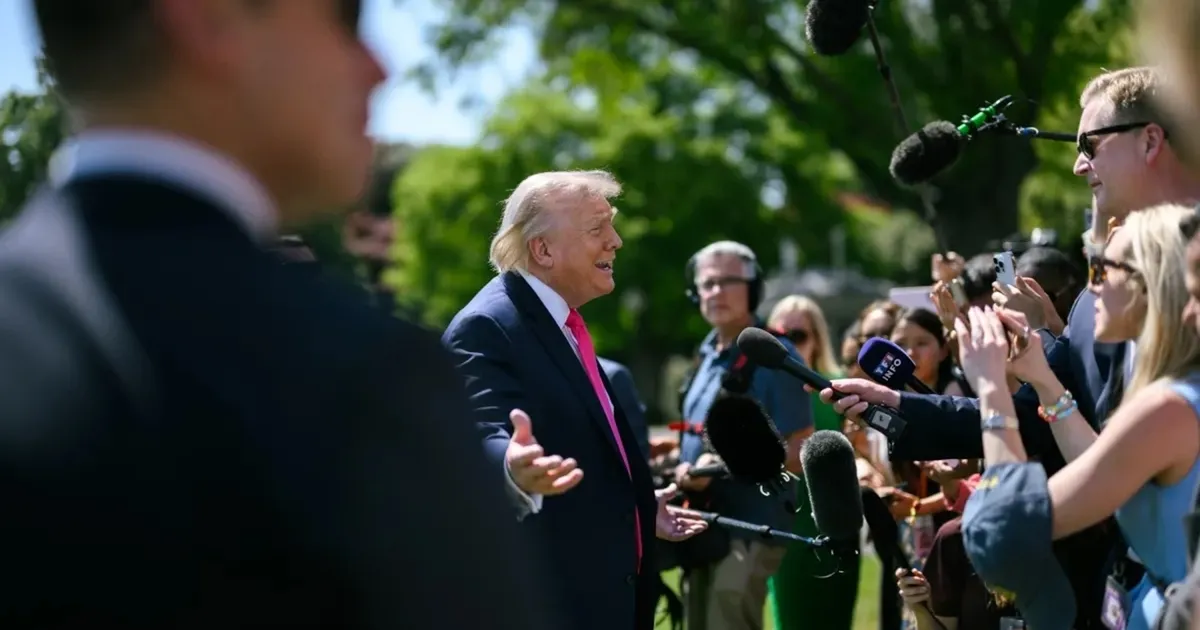
In the context of international reactions, US President Donald Trump preempted the announcement with controversial statements, considering that any leader chosen by Tehran would not enjoy continuity unless approved by Washington. These statements reflect the extent of the existing tension and the American desire to exert maximum possible pressure on the new Iranian leadership.
The threats were not limited to the American side, as Israel hinted that any figure succeeding Khamenei would be a direct target for assassination operations. These threats come at a time when Tel Aviv continues its military operations that previously targeted senior security and political officials in Tehran.
Reports indicate that the leader's election process took place via a secret ballot, where victory requires obtaining an absolute majority of the votes of the attending members of the Assembly of Experts. This transition is the first of its kind since 1989, when Ali Khamenei assumed power after the death of the revolution's founder, Ruhollah Khomeini.
On the ground, military confrontations have continued since late February, with the Israeli-American aggression resulting in hundreds of casualties. In response, Tehran continues to retaliate by launching missile barrages and drones targeting Israeli sites and American interests in several countries in the region.
Mojtaba Khamenei, born in the city of Mashhad in 1969, grew up in a complex political and religious environment that coincided with his father's opposition to the Shah's regime. He progressed in religious studies in the city of Qom until he attained the rank of 'Hujjat al-Islam,' a rank that allows him to teach and exercise ijtihad in the Shiite seminary.
According to official sources, the new leader lost his wife, Zahra Haddad Adel, daughter of the former Parliament Speaker, who was killed in the same airstrikes that targeted his father. These developments place Mojtaba Khamenei before immense challenges, both in terms of healing internal wounds and confronting external military escalation.
His Eminence Ayatollah Sayyid Mojtaba al-Husseini Khamenei was elected as the third leader of the Islamic Republic based on a decisive vote from the representatives of the Assembly of Experts.


Share your opinion
Iran chooses Mojtaba Khamenei as Supreme Leader to succeed his assassinated father