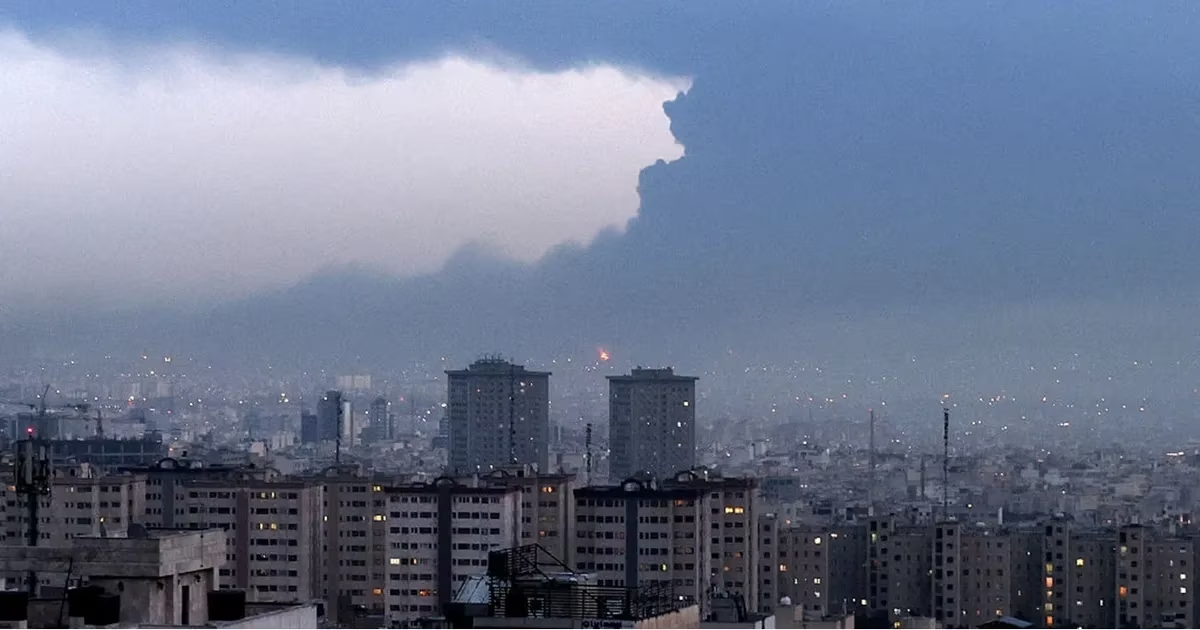







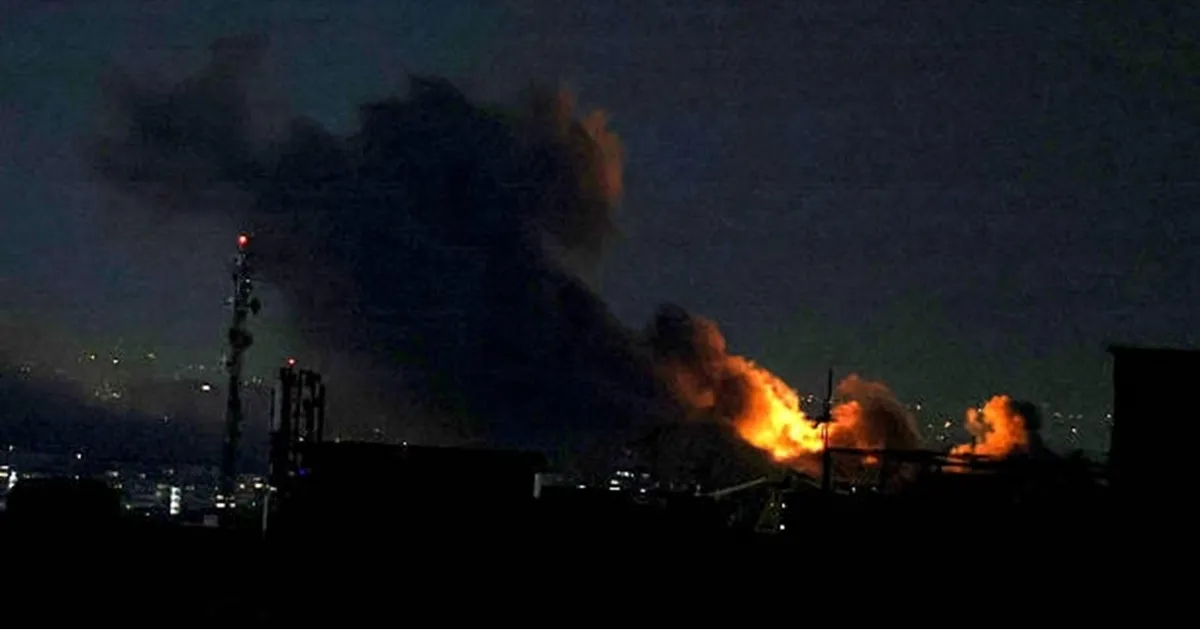
Field sources reported the killing of a number of Israeli occupation army soldiers during fierce clashes on the Lebanese front, at a time when the regional confrontation, which erupted on February 28, is escalating. Concurrently with the ground battles, reports revealed material damage to a radiation facility in the Iranian city of Isfahan following airstrikes, raising international concern about the repercussions of targeting sensitive facilities.
Economically, the occupation faces a suffocating crisis as the war continues into its eighth day, with estimates from the Israeli Ministry of Finance indicating direct losses exceeding $3 billion per week. The call-up of 100,000 reserve soldiers from various sectors of work has led to a partial paralysis of the economy, in the absence of an approved budget for 2026 and a funding gap of $18 billion, which places Israel's credit rating under the scrutiny of international rating agencies.
Internally, the cities of Tel Aviv, Haifa, and West Jerusalem witnessed massive demonstrations demanding an end to the war on Iran and Lebanon, where protesters held Prime Minister Benjamin Netanyahu responsible for the continuous failures since October 7. The demonstrations saw attacks by right-wing activists on protesters, while the police arrested a number of participants on charges of disturbing public order, amid notable participation from Knesset members who opposed the military escalation that led to a global rise in oil prices to $80 per barrel.
The comprehensive war that began last February has caused an economic bleeding for the occupation estimated at 9.4 billion shekels per week, amidst escalating internal protests against the Netanyahu government.


Share your opinion
Regional War Developments: Occupation Casualties in Lebanon and Targeting of a Nuclear Facility in Isfahan