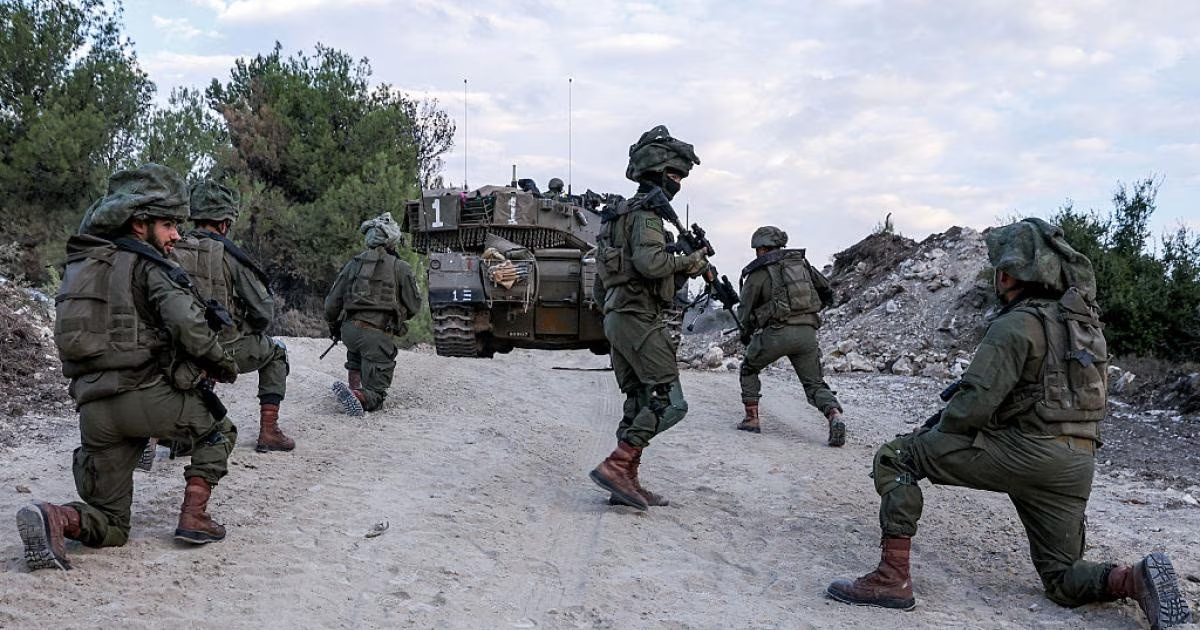







The Lebanese front witnessed a significant field escalation today, Sunday, as the Israeli army admitted to the killing of two of its soldiers and the injury of an officer with varying degrees of wounds. These losses followed a direct targeting of a 'D9' military bulldozer during ongoing ground operations in southern Lebanon, amidst continued fierce clashes on the front lines.
Field sources reported that Israeli forces were subjected to five qualitative targeting operations in recent hours, including the firing of anti-tank missiles, mortar shells, and intense rocket barrages. These attacks focused on troop concentrations and vehicles near the border, reflecting the ferocity of the field resistance in confronting infiltration attempts.
In a related context, reports indicated that most operations were carried out using anti-tank missiles from long distances, reaching approximately seven kilometers. The shelling also targeted barracks and military sites within the Israeli side, where eight soldiers were previously injured, five of whom were described as being in serious condition, after shells fell on a military position.
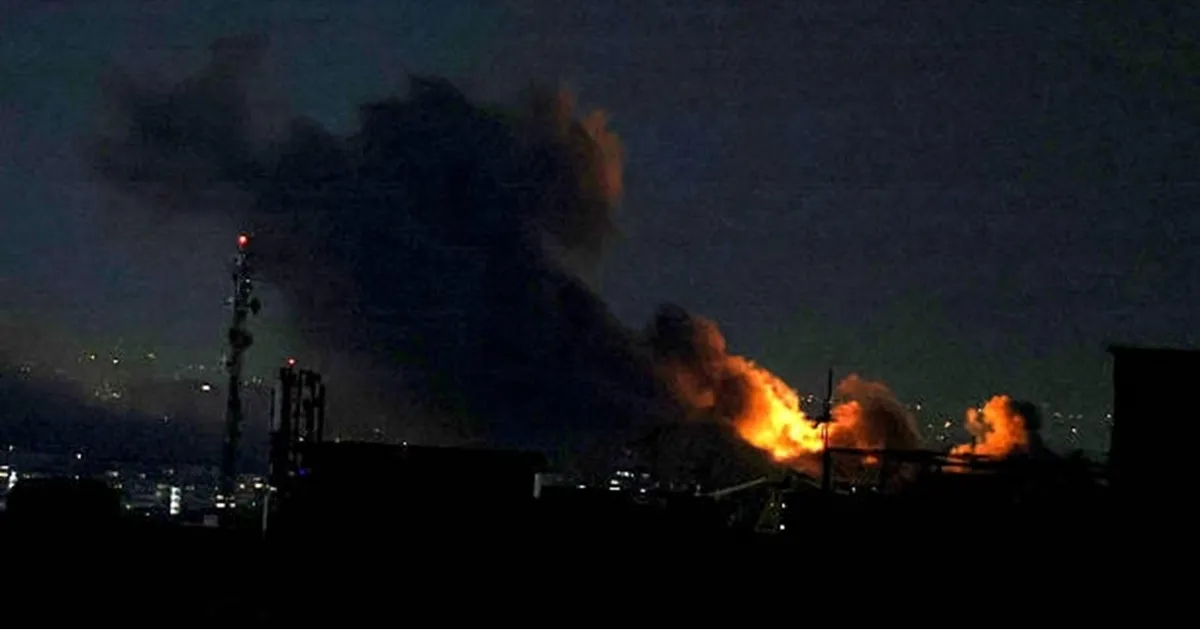
On the humanitarian side, Israeli aircraft continued their violent raids, resulting in the martyrdom of 23 Lebanese in an initial toll for Sunday. The raids targeted a hotel in the heart of the capital Beirut, in addition to a residential building in the south, leading to widespread destruction and casualties among unarmed civilians.
Lebanon's Ministry of Health revealed shocking statistics since the start of the aggression earlier this month, recording the martyrdom of 394 people, including 83 children and 32 women. The number of injured also rose to 1130, including hundreds of children and women, due to the intense and continuous air raids across various governorates.
In a new massacre at dawn today, 19 people were martyred after an airstrike targeted a three-story residential building in the town of Sair Al-Gharbi in the Nabatieh district. This raid is part of a series of attacks targeting residential areas and southern villages, exacerbating the humanitarian crisis and cases of forced displacement.
On the ground, the Israeli army issued widespread and unprecedented evacuation warnings covering more than 100 towns and villages located south of the Litani River. These orders were characterized by being open-ended and not specifying a return date, suggesting the occupation's intention to expand the scope of its ground military operations in these strategic areas.
Military estimates indicate that the occupation seeks to impose field control over a border strip ranging from 5 to 8 kilometers deep inside Lebanese territory. Evacuation orders were not limited to the south but extended to include villages in the Beqaa region and specific neighborhoods in the southern suburbs of Beirut, amidst warnings of a major displacement wave.
These rapid developments confirm that the confrontation has entered a more dangerous phase, as the Israeli army seeks to strike newly established Lebanese fortifications and military points. In contrast, Lebanese field forces continue to target Israeli concentrations and prevent the stabilization of invading forces, leaving the situation open to all possibilities.
For the fourth time, the Israeli army renewed evacuation warnings directed at residents of wide areas south of the Litani River, covering more than 100 Lebanese towns.



Share your opinion
Two Israeli Soldiers Killed and Bloody Escalation in Lebanon: Evacuation Warnings for 100 Towns South of the Litani