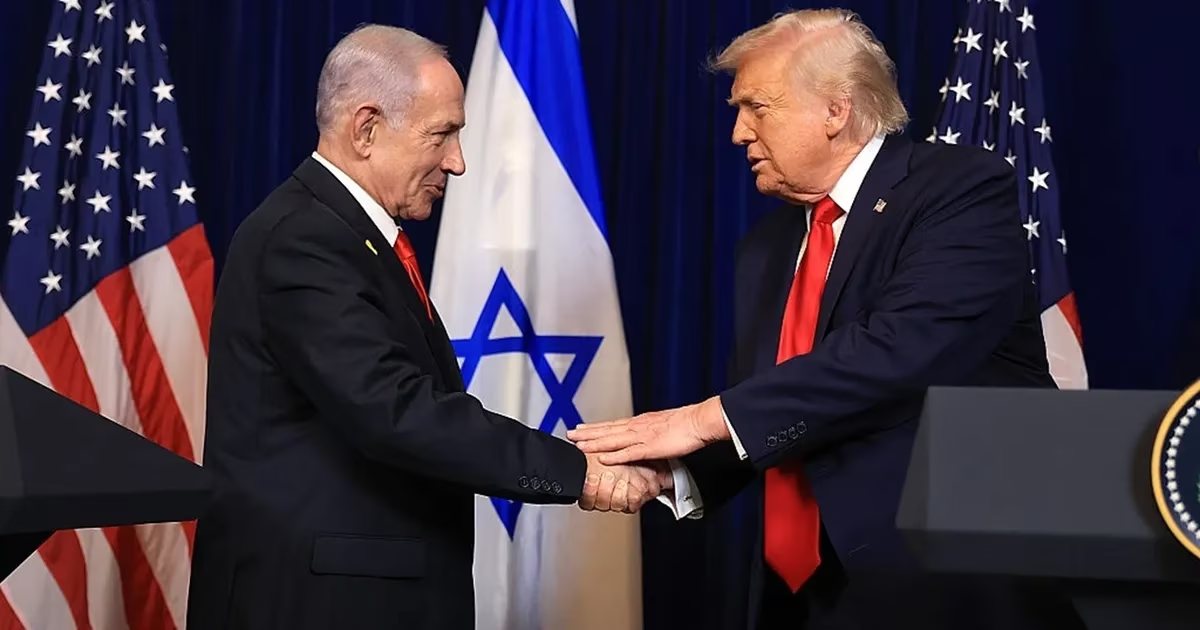







US President Donald Trump finds himself today in the midst of a large-scale military confrontation in the Middle East, after misleading Israeli calculations led him into an Iranian quagmire he had repeatedly vowed to avoid during his election campaigns. Field developments reveal the magnitude of the strategic error Washington has fallen into, as the military operation that began on February 28 has turned into an open war of attrition.
The story began with intense pressure exerted by Israeli Prime Minister Benjamin Netanyahu, exploiting his influence in American decision-making circles to convince the Trump administration that the Iranian regime was at its weakest. This pressure succeeded in undermining a diplomatic path led by the Sultanate of Oman, where Omani Foreign Minister Badr Al Busaidi confirmed that negotiations were active before they were suddenly sabotaged in favor of the military option.
In the early hours of what became known as the 'Saltwater Fury' operation, Israel crossed red lines by targeting a leadership meeting in Tehran, resulting in the death of Supreme Leader Ali Khamenei and senior commanders of the Revolutionary Guard. This unprecedented escalation presented the United States with a new fait accompli, transforming its role from a partner in a limited military campaign to a direct party in a major political assassination operation.
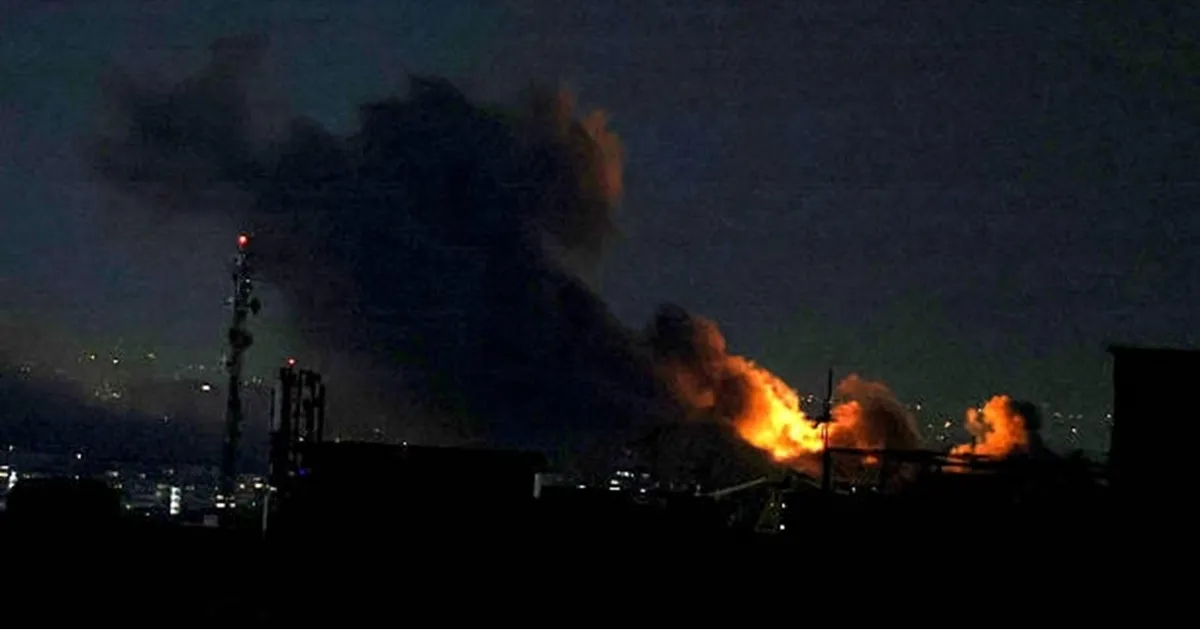
Contrary to American and Israeli expectations of a rapid collapse of the Iranian regime, Tehran demonstrated a high capacity to organize its ranks and respond with effective and painful military action. Iranian forces launched intensive missile and drone attacks, not only targeting deep inside Israel but also extending to directly and unprecedentedly strike vital American interests in the Gulf region.
Sources reported that Iranian missiles precisely targeted Al Udeid Air Base in Qatar and Al Dhafra Air Base in the UAE, in addition to Ali Al Salem Air Base in Kuwait and the headquarters of the Fifth Fleet in Bahrain. This broad response confirmed the failure of the 'decapitation' theory that Tel Aviv had bet on to cripple Iran's defensive and offensive capabilities, confusing military calculations in Washington.
For its part, the Pentagon announced the death of 6 American soldiers and serious injuries to others as a result of these attacks, which represents a severe blow to Trump's promises to protect American soldiers and end foreign wars. This field reality prompted the American administration to try to open back channels of communication with Tehran to request a ceasefire, which has been met with a categorical Iranian refusal so far.
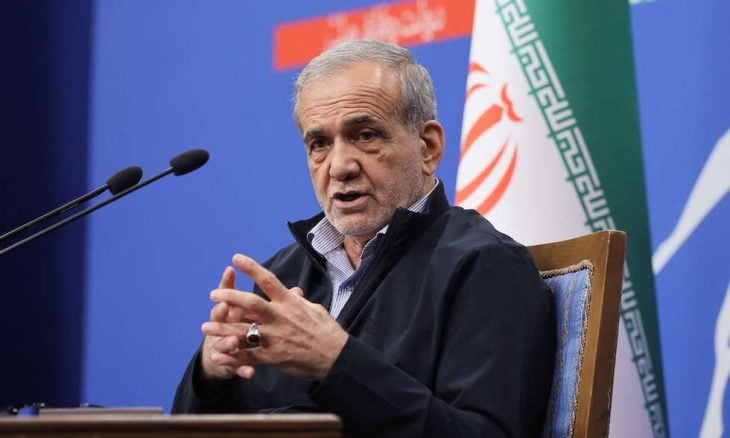
Senior Iranian official Ali Larijani revealed that Tehran rejects any de-escalation at present, considering the assassination of the Supreme Leader to be a crossing of all red lines that cannot be overlooked without a comprehensive response. Larijani affirmed that all American and Israeli assets in the region have become legitimate targets, warning that the confrontation will not be bound by specific time or geographical limits.
Domestically, Trump faces a wave of sharp criticism from various political and media spectrums in the United States, as major television channels have begun to question the utility of this war. Prominent media voices warned that the Iranian Revolutionary Guard has a long breath in the confrontation, noting that American voters may feel deceived after 'America First' promises.
Even in conservative circles, strong opposition to the war emerged, with analysts pointing out that the United States is fighting a conflict that primarily serves Israeli interests and achieves no strategic gains for Washington. This division in Trump's electoral base weakens his political position, especially with the increasing human and material losses among forces deployed in the region.
Economically, the war caused violent disruptions in global markets, as the closure of the Strait of Hormuz led to a massive jump in global energy prices. Major shipping companies began rerouting away from the Gulf, signaling a crisis in global supply chains that could lead to an economic recession threatening the financial stability Trump has long boasted about.
Internationally, the United States finds itself increasingly isolated, with China and Russia describing the military operations as a blatant violation of international law. European allies also showed significant reservations, with French President Emmanuel Macron calling for an immediate halt to the escalation, warning that the entire region is sliding into an abyss whose end cannot be predicted.
Amidst this confusion, an American exit plan appears completely absent, with the White House content with general calls for Iranians to change their regime, calls observers deem naive. The reality indicates that the external attack has contributed to unifying the Iranian internal front behind the discourse of resistance, making it difficult to achieve any political change through military force.
Benjamin Netanyahu succeeded in dragging Washington into a direct confrontation with its biggest regional adversary, achieving what his predecessors failed to do through decades of incitement. It seems that Trump, who thought he was managing a winning deal with a preemptive strike, has fallen into a well-designed strategic trap by Tel Aviv to secure its own interests at the expense of regional and international stability.
The question remains in Washington's decision-making circles about the final cost of this adventure, and whether the administration is capable of containing the fire it ignited. The coming days will reveal whether the United States will proceed with an open war without clear objectives, or if it will find a way out that preserves what remains of its prestige and interests in the turbulent region.
The 'decapitation' theory that Israel bet on failed to achieve its primary goal of crippling Iran's ability to respond, and placed Washington in a real strategic predicament.
Share your opinion
The 'Saltwater Fury' Quagmire: How Netanyahu Lured the Trump Administration into an Open Confrontation with Iran?