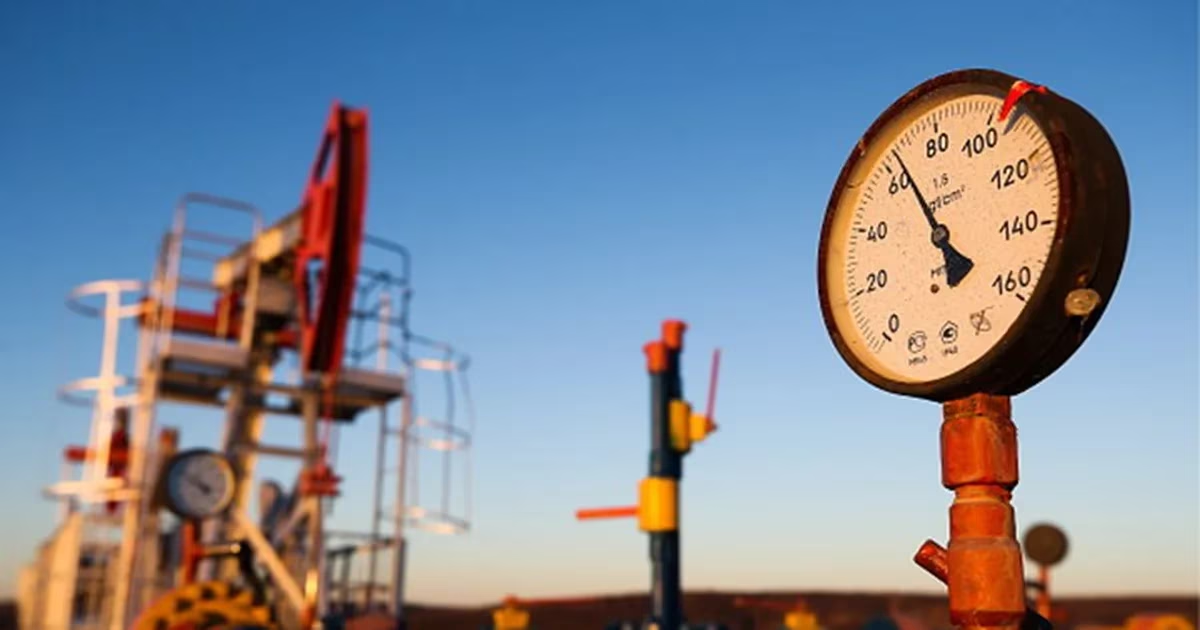







Official sources in the Kremlin stated today, Friday, that the ongoing military operations in Iran have directly contributed to an increase in global demand for Russian energy resources. These developments come at a time when oil and gas markets are experiencing severe turmoil due to the closure of the Strait of Hormuz, which is considered the most vital artery for transporting energy supplies around the world.
The Russian statements followed the US Treasury Department's announcement of granting an exceptional 30-day waiver allowing India to receive shipments of Russian oil that were stranded at sea. This American move reflects a temporary retreat in the pressure Washington had exerted on New Delhi to reduce its purchases from Moscow, in order to secure the needs of the global market affected by the conflict.
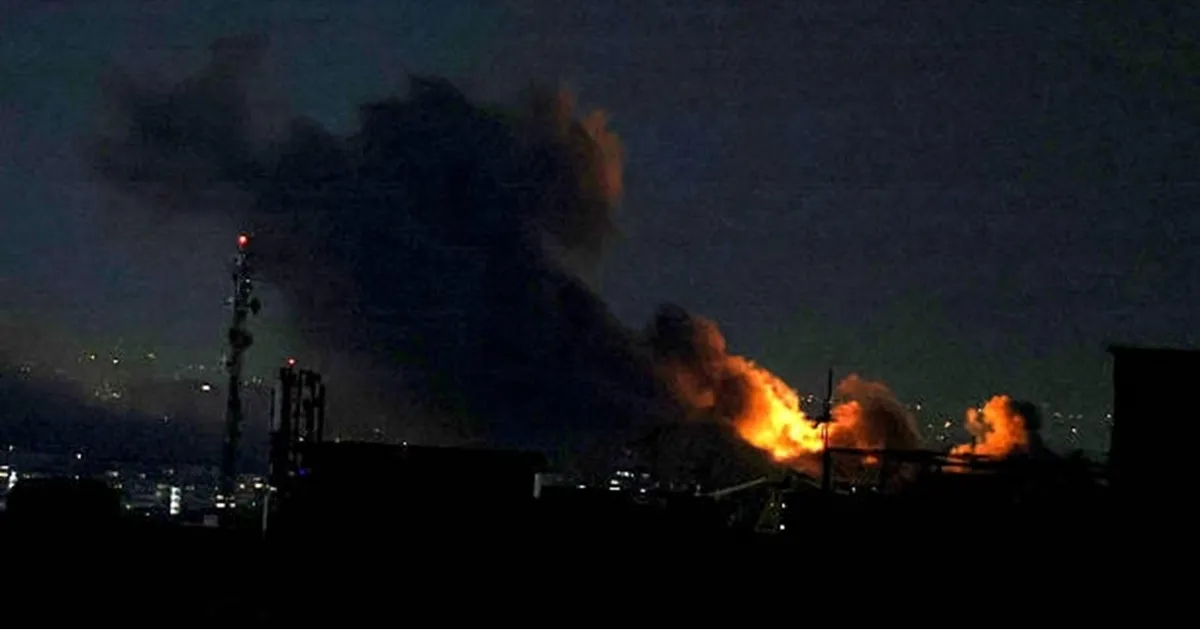
The military aggression on Iran entered its seventh day, as the targeting of vital facilities and the closure of maritime passages caused a significant disruption in a large part of oil and liquefied natural gas supplies destined for international markets. Kremlin spokesman Dmitry Peskov confirmed that his country is observing a significant increase in demand for its resources, emphasizing that Russia remains a reliable supplier of pipeline gas and LNG.
Peskov indicated in statements to journalists that Moscow is committed to fulfilling all its contractual obligations towards its international partners, despite sanctions and political pressures. The spokesman refused to specify the exact quantities that might flow to India under the new American waiver, merely confirming the continuity of contracted deliveries without interruption.
In contrast, the Executive Director of the International Energy Agency, Fatih Birol, issued strong warnings against European countries returning to reliance on Russian gas. Birol described any such move as a grave economic and political mistake, especially in light of the radical transformations witnessed in the global energy market due to successive crises.
Birol's warnings came after a high-level meeting in Brussels attended by European Commission President Ursula von der Leyen and EU commissioners. Birol explained that the current crisis in the Middle East has raised questions about energy security again, emphasizing that excessive reliance on a single source was one of the biggest historical mistakes of the old continent.
Statistical data indicate a sharp decline in the share of Russian gas in the European market, falling from 40% before 2022 to only about 6% last year. This decline is a result of the European Union's efforts to decouple its energy ties with Moscow following the outbreak of the war in Ukraine, and its search for more stable alternatives.
On the ground, reports indicate that the war, which began with a joint US-Israeli strike on February 28, led to the martyrdom of Iranian Supreme Leader Ali Khamenei. Tehran responded with intensive shelling targeting American bases in the Gulf region, including Al Udeid Air Base, using missiles and drones, which increased tensions in shipping lanes.
These military tensions led to a global jump in oil and gas prices by up to 25%, amid fears of the depletion of American and Israeli ammunition stockpiles. Economic reports also revealed heavy losses incurred by the Israeli economy, estimated at about 9.4 billion shekels per week, while the cost of US military operations amounts to one billion dollars per day.
Russia's state-owned Gazprom faces structural challenges despite the current increase in demand, as its market value has sharply declined over the past two decades. After being the third-largest company globally with a value exceeding 330 billion dollars in 2007, its current value is estimated at only about 40 billion dollars, reflecting the scale of transformations in the global energy sector.
We are witnessing a significant increase in demand for Russian energy resources amid the war in Iran, and Russia has been and remains a reliable supplier of oil and gas.

Share your opinion
Kremlin: War in Iran raises demand for Russian energy, international warnings against Europe's dependence on Moscow