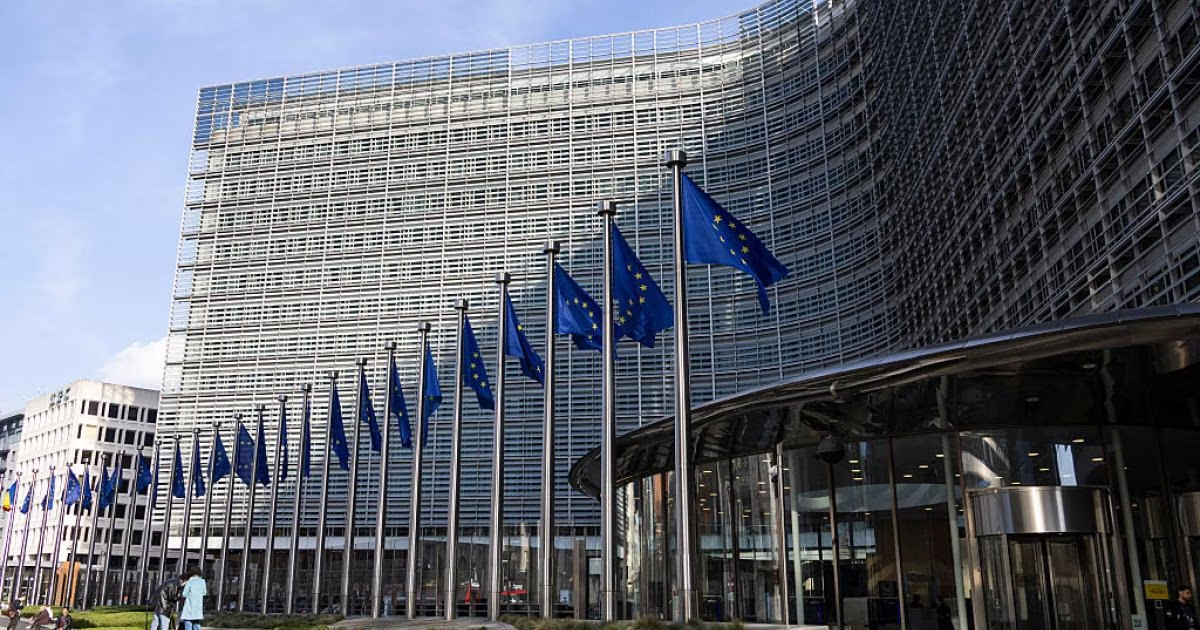







British Prime Minister, Keir Starmer, officially announced that the United Kingdom will not participate in ongoing military operations against Iran, emphasizing that his country prioritizes negotiation. Starmer clarified that the best path for Tehran and the international community lies in reaching a comprehensive political solution, provided the Iranian regime completely abandons its nuclear ambitions and capabilities.
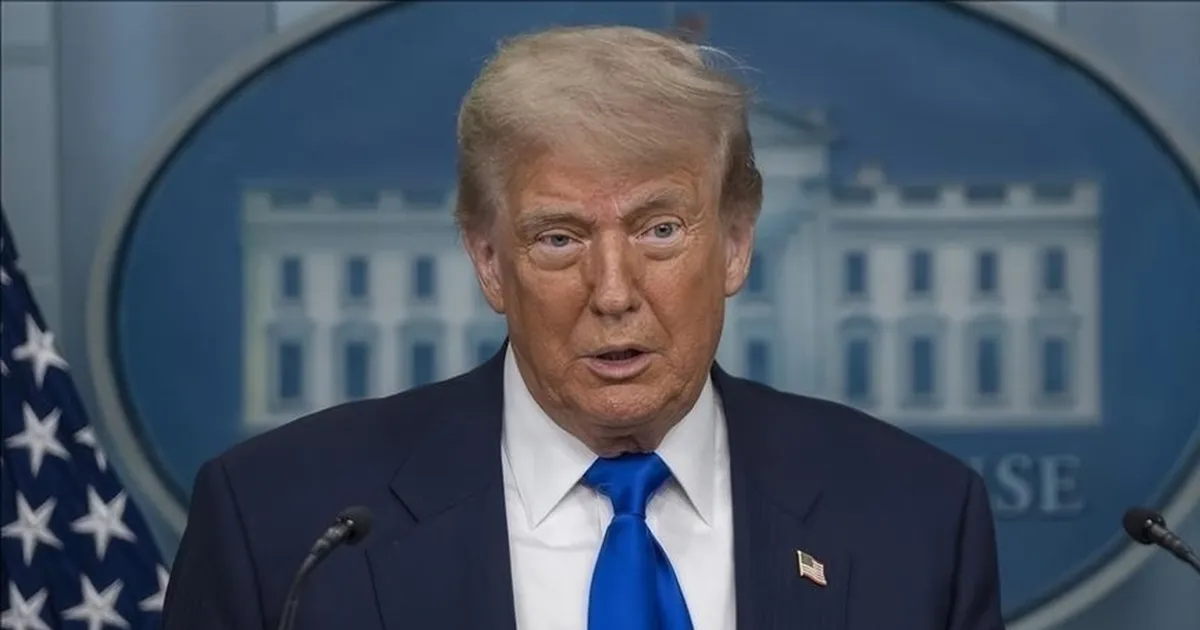
These British statements come at a sensitive time when the administration of US President Donald Trump is facing difficulties in mobilizing a broad international coalition to support joint military operations with Israel. London appears to have chosen to distance itself from the initial strikes, despite its continued close cooperation with Washington on other security issues, reflecting a divergence in assessing the current military situation.
In Madrid, the Spanish government took a firm stance, refusing to allow its military bases to be used as launching pads for attacks against Iranian territory. Prime Minister Pedro Sánchez affirmed that defense agreements signed with the United States do not grant the right to use Spanish facilities for offensive purposes in this conflict, calling for diplomacy to prevail over the language of weapons.
Sánchez stressed that his country, despite condemning the repressive policies practiced by the Iranian regime against its citizens, does not see violence as a sustainable solution to international crises. He considered the belief that democracies can be built from under the rubble to be a kind of illusion, affirming that Spain will not be drawn into a military conflict that could lead to catastrophic consequences for global stability.
For its part, Portugal joined its neighbor Spain in closing its airspace and military facilities to offensive operations, with Lisbon refusing the use of the 'Lajes' air base in the Azores. Portuguese Prime Minister, Luís Montenegro, stated that any military action must adhere to the controls of international law in terms of necessity and proportionality, and be directed exclusively towards specific military targets.
These rigid European stances coincide with what 'Flightradar24' observed regarding intensive air movements of American warplanes and refueling aircraft that departed from Spain. This data indicates that Washington is trying to reposition its forces in Northern Europe and the Middle East to circumvent the restrictions imposed by Southern European countries on its bases.
France's position was partially different, as Paris allowed the US military to use military bases located only within French territory. The French General Staff clarified that this authorization does not include French bases deployed in the Gulf region, to avoid direct involvement in offensive operations and to limit support to defending regional partners.
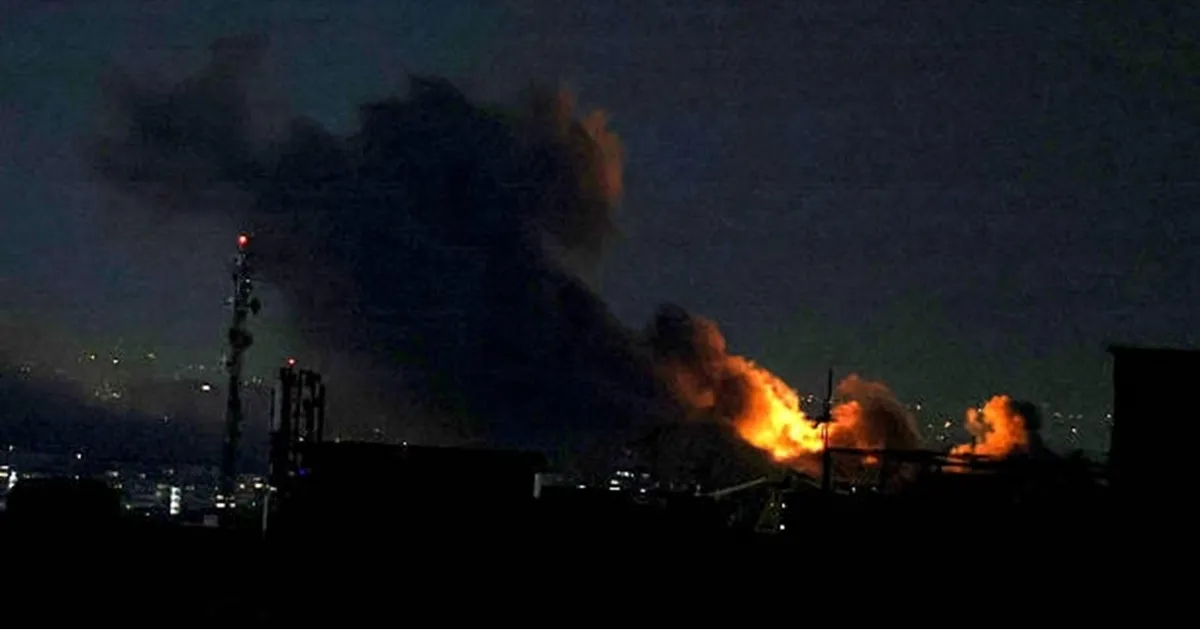
On the ground, reports indicate that Iran managed to carry out a rapid military response following the joint US-Israeli strike launched in late February. The Iranian response included intensive shelling with drones and short-range missiles targeting vital American bases in the Gulf region, including Al Udeid Air Base, just one hour after senior Iranian leaders were targeted.
Field sources confirmed the martyrdom of Iranian Supreme Leader Ali Khamenei and Commander Mohammad Pakpour during the first airstrikes that targeted Tehran. This unprecedented escalation led to a surge in global energy markets, with oil and gas prices jumping by up to 25% due to direct threats to navigation in the strategic Strait of Hormuz.
Economically, the Israeli occupation faces immense pressure, with its weekly losses reaching approximately 9.4 billion shekels, while the United States incurs a billion dollars daily to fund its operations. This crisis is exacerbated by a severe depletion of American and Israeli ammunition stockpiles, which were already affected by the ongoing wars in Ukraine and the Gaza Strip.
Through these operations, the Trump administration seeks to achieve a stated goal of overthrowing the Iranian regime and changing the political map of the region. However, the absence of logistical support from traditional allies such as Britain and Spain weakens the effectiveness of this strategy and increases the military and financial burden on Washington and Tel Aviv in facing Iranian reactions.
Amidst this international division, fears arise of the conflict expanding to include Lebanon and other fronts in the Middle East, which France explicitly warned against. The question remains about the United States' ability to continue this unilateral military confrontation, given the increasing European voices calling for a return to the negotiating table to avoid a comprehensive regional war.
The real naivety is believing that violence is the solution, and that democracies or respect among nations can be born from under the rubble.
Share your opinion
Rift in the International Coalition: Britain, Spain, and Portugal Refuse Military Involvement Against Iran