






Retired Major General in the occupation army, Isaac Brick, issued strong warnings about the current course of military confrontation with Iran, considering that close coordination with Washington does not negate the existence of deep strategic risks. Brick explained that these risks may impose a new reality that determines the final outcomes of the war, far from declared ambitions.
Brick pointed out in his reading of field developments that the price paid by the occupation so far is extremely high, both in terms of human losses, including dead and wounded, and widespread destruction of infrastructure. He noted that the scope of the confrontation has expanded to include 11 countries, amid serious fears of the conflict escalating beyond the Middle East region.
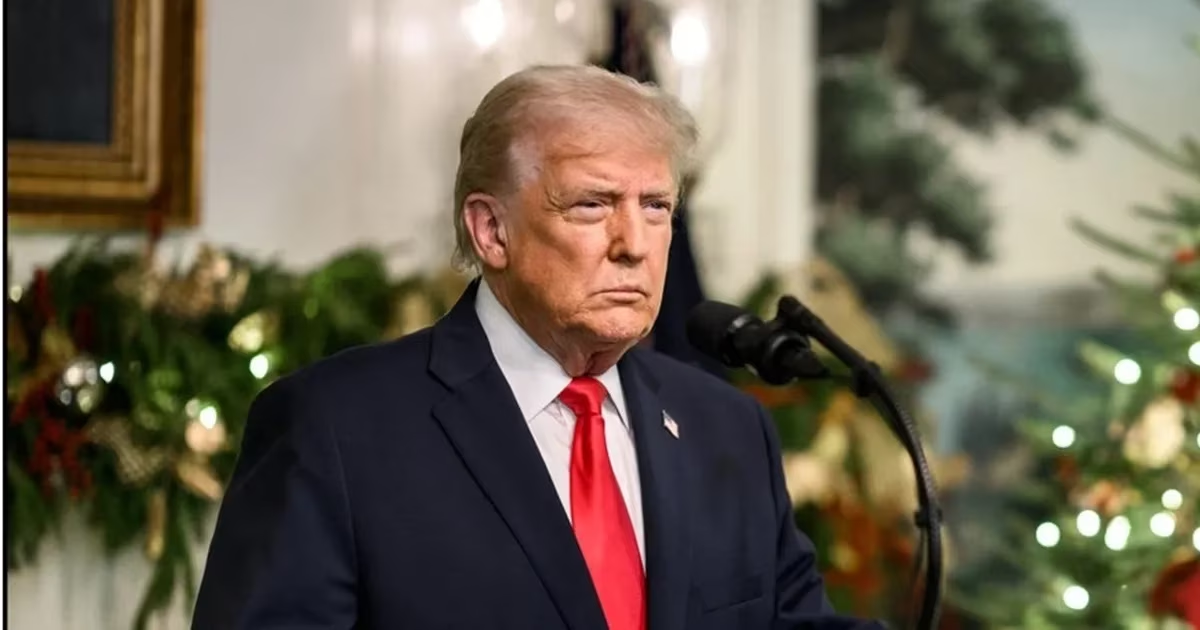
The retired general considered that the biggest challenge facing the continuation of military operations lies in the sharp and accelerating depletion of strategic ammunition stockpiles for both the occupation and the United States. He stressed that this critical logistical reality starkly contradicts the promises and assurances provided by US President Donald Trump to the public.
Brick emphasized that current weapon depletion rates far exceed the ability of military factories to produce and compensate, placing immense pressure on decision-making centers in Washington. This imbalance between consumption and production may force the US administration to seek a political solution to end the fighting earlier than many expect.
Analytical sources stated that internal political pressures in the United States, driven by unsettling opinion polls, play a crucial role in shaping the current American stance. Global economic repercussions, especially tensions in the Strait of Hormuz, also increase Washington's desire to contain the situation and prevent it from sliding into a comprehensive, long-term war.
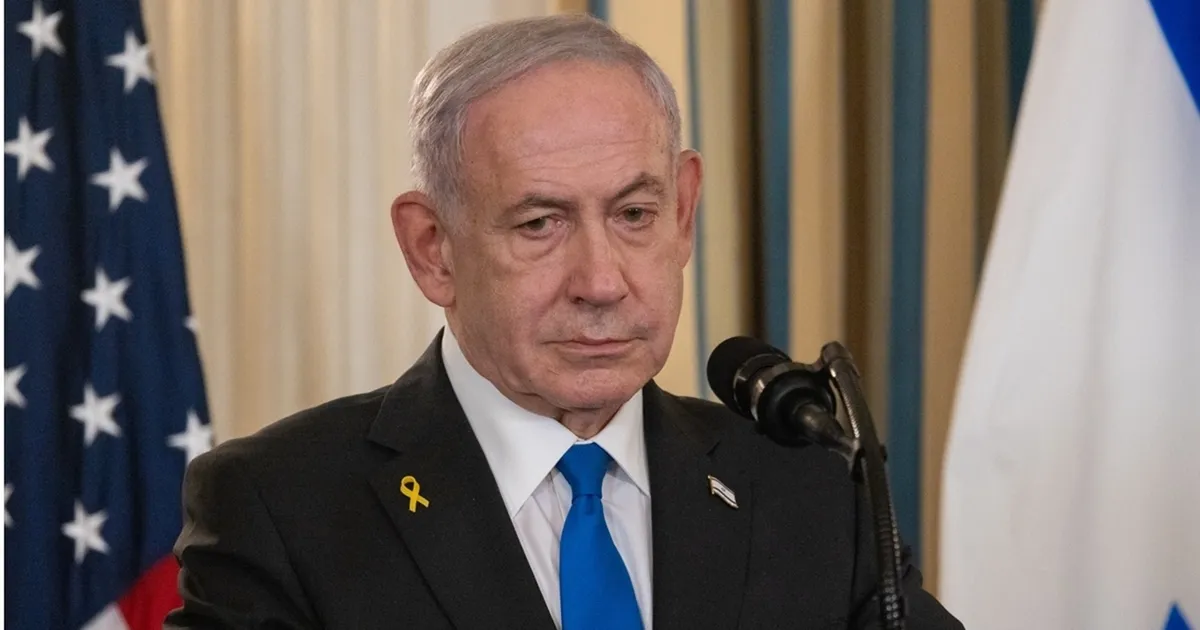
Brick predicted an imminent political clash between Trump and the head of the occupation government, Benjamin Netanyahu, as the latter insists on continuing the fighting until achieving what is called 'complete victory.' In contrast, the US administration may find itself compelled to prioritize its national and economic interests by halting operations at a specific time.
Regarding the Iranian front, Brick asserted that intensive air strikes would not succeed in bringing about fundamental political change in the regime's structure in Tehran. He explained that betting on a popular uprising to overthrow the regime is an uncertain gamble given the iron grip of the Revolutionary Guard on the state's key institutions.
Brick also downplayed the significance of military movements by some Kurdish groups across the border, describing them as indecisive in the overall balance of power. He affirmed that the Iranian regime has the ability to absorb current blows and remain steadfast against limited external and internal military pressures.
The retired general warned of a post-attack scenario, where Iran might immediately begin rebuilding its military and nuclear capabilities at a faster pace than before once operations cease. He indicated that expected Russian and Chinese support would play a pivotal role in enabling Tehran to regain its strength and disengage from any previous international obligations.
Brick believes that the return of the Iranian threat in a more dangerous form in the near future is a strong possibility if the war does not achieve tangible political goals. He considered that merely achieving tactical military successes without a political horizon would make the occupation face a renewed and more complex existential threat.
Brick's warnings were not limited to the Iranian front but also extended to the growing Turkish role in the region under President Recep Tayyip Erdoğan. He considered Ankara's pursuit of strengthening its regional influence as an additional security challenge that should not be overlooked in the occupation's strategic calculations.
He explained that the security environment surrounding the occupation is becoming more complex with the entry of new regional players into the confrontation or competition for influence. This overlap of regional interests makes it difficult to achieve long-term security stability, even if the Iranian threat is temporarily neutralized.
Brick concluded his analysis by emphasizing the necessity of reviewing the military and political objectives of the current war, away from resonant slogans. He stressed that acknowledging logistical and international political realities is the only way to avoid a strategic catastrophe that could befall the occupation due to misjudgment of the situation and disregard for military warnings.
The logistical reality and the depletion of ammunition stockpiles are completely different from the public statements made by Trump regarding the continuation of military operations.



Share your opinion
Isaac Brick warns: Ammunition shortage may force Washington to end the war, and Trump's assurances are unrealistic