







Washington – Said Arikat – 3/5/2026
Forty countries met on Wednesday in The Hague, Netherlands, to discuss ways to translate the principles of international law into practical measures aimed at stopping what diplomats describe as a gradual annexation process carried out by Israel in the occupied West Bank through settlement expansion and changes to its governance systems.
The meeting was co-chaired by South Africa and Colombia under the umbrella of what is known as “The Hague Group,” an international initiative launched in early 2025 to coordinate legal and diplomatic responses to Israel’s policies in the occupied Palestinian territories, as well as to the war in the Gaza Strip.
This is the largest meeting organized by the group since its establishment, and it comes at a time when international concern is growing over the acceleration of settlement projects and military operations in the West Bank, and the potential for a permanent change in the geographical and political reality of the occupied territories.
A joint statement issued after the meeting affirmed the participating countries' commitment to the United Nations Charter and to the fundamental principle of international law prohibiting the acquisition of territory by force, in addition to affirming the right of peoples to self-determination.
The participating countries agreed to work through three main tracks that are being developed in preparation for their adoption at an upcoming ministerial meeting.
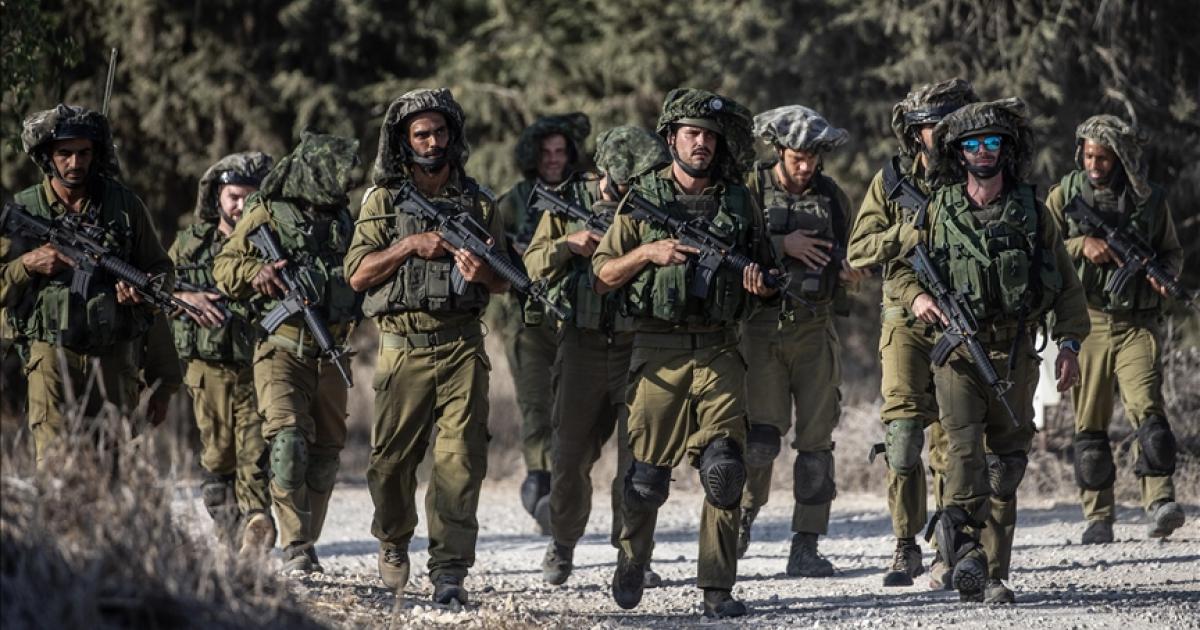
The first track focuses on strengthening legal accountability mechanisms for potential international crimes. This includes exploring the imposition of additional disclosure requirements on travelers who have served in the Israeli army, which could expose them to legal scrutiny procedures under international crime legislation in force in some countries.
The second track concerns the application of the principle of non-recognition of Israeli settlements in the occupied territories, by prohibiting the import of their products and preventing national companies from investing or operating within them.
The third track focuses on reviewing exports of weapons and dual-use materials, including military fuel, with the aim of preventing their transfer or transit to Israel if they are likely to be used to support the occupation.
The statement affirmed that the goal of these measures is to ensure that there is no “safe haven” for individuals who may be suspected of involvement in genocide, war crimes, crimes against humanity, or the crime of aggression.
Representatives from countries in Africa, Asia, Europe, and Latin America participated in the meeting, including Algeria, Brazil, China, Egypt, Lebanon, Malaysia, Mexico, Nigeria, Norway, Pakistan, Qatar, Saudi Arabia, Spain, South Africa, Sweden, Switzerland, Turkey, Uruguay, Venezuela, and Zimbabwe, in addition to the State of Palestine.
In Washington, a US official who requested anonymity, in response to a question from Al-Quds correspondent about the possibility of the United States joining the group, said he was not aware of any official or undeclared position on the matter, adding that the US administration is currently focused on the “Peace Council” initiative launched last month.
The Hague meeting comes at a time when international concerns are growing over the repercussions of Israel’s recent decisions, particularly the approval of the controversial settlement project known as “E1,” which experts warn could dismember the West Bank and undermine the geographical contiguity necessary for a viable Palestinian state.
On February 8, the Israeli government also approved a broad package of measures to restructure the governance system in the West Bank, including expanding Israeli civilian powers in areas that have been under military rule for nearly six decades.
Diplomats believe these steps represent a gradual expansion of what Israel describes as “imposing sovereignty” over the occupied territories, a goal long advocated by nationalist right-wing currents and settler movements within Israel.
Observers warn that these measures undermine the remaining limited powers of the Palestinian Authority and weaken the political framework on which the Oslo Accords were based more than three decades ago.
The initiative led by The Hague Group is based on the advisory opinion issued by the International Court of Justice in July 2024, as well as a subsequent resolution by the United Nations General Assembly calling on states not to recognize the legitimacy of the Israeli occupation and to prevent any form of support that might contribute to its continuation.
Colombia's Deputy Foreign Minister for Multilateral Affairs, Mauricio Jaramillo, said the meeting reflects growing frustration among a number of governments over the absence of real mechanisms for implementing international law.
He added: “Israel is carrying out a land confiscation process in plain sight of the world. After what happened in Gaza, it seems that solidifying the de facto annexation of parts of the West Bank is the next step in a project of permanent occupation.”
He stressed that countries today face a clear choice between defending international law or allowing a culture of impunity.
The Hague meeting reflects a gradual shift in the positions of an increasing number of Global South countries towards the Palestinian-Israeli conflict, as mere political statements are no longer sufficient in the eyes of many governments. After decades of non-binding condemnation, some countries have begun to seek concrete legal and economic tools to enforce compliance with international law. This shift does not necessarily mean the formation of a unified international front against Israel, but it reveals a growing trend towards “internationalizing accountability,” where countries are trying to use their national legislation and international courts to fill the vacuum left by the Security Council's inability to take binding action due to political divisions.
The steps proposed at The Hague meeting raise a deeper question about the future of the rules-based international order. The issue is no longer confined to the Palestinian-Israeli conflict as much as it has become a test of the ability of international law to assert itself when the political interests of major powers conflict. A number of diplomats believe that the continued occupation without real political or legal cost undermines the credibility of international institutions. Therefore, the current moves also aim to send a broader message that the lack of consensus in the Security Council should not mean paralyzing the international community's ability to act.
Politically, The Hague Group initiative reflects a growing realization that the reality of the West Bank is changing at a faster pace than traditional diplomacy can keep up with. Rapid settlement expansion, along with the restructuring of Israeli governance in the occupied territories, is creating new realities that may make a two-state solution more difficult over time. For this reason, some participants believe that focusing on economic and legal accountability tools may be the only available means to stop this trajectory. However, the success of these efforts will remain dependent on the extent to which countries are willing to translate their political positions into politically costly practical measures.

Share your opinion
The Hague Meeting: Forty Countries Discuss Practical Steps to Stop Israeli Annexation in the West Bank