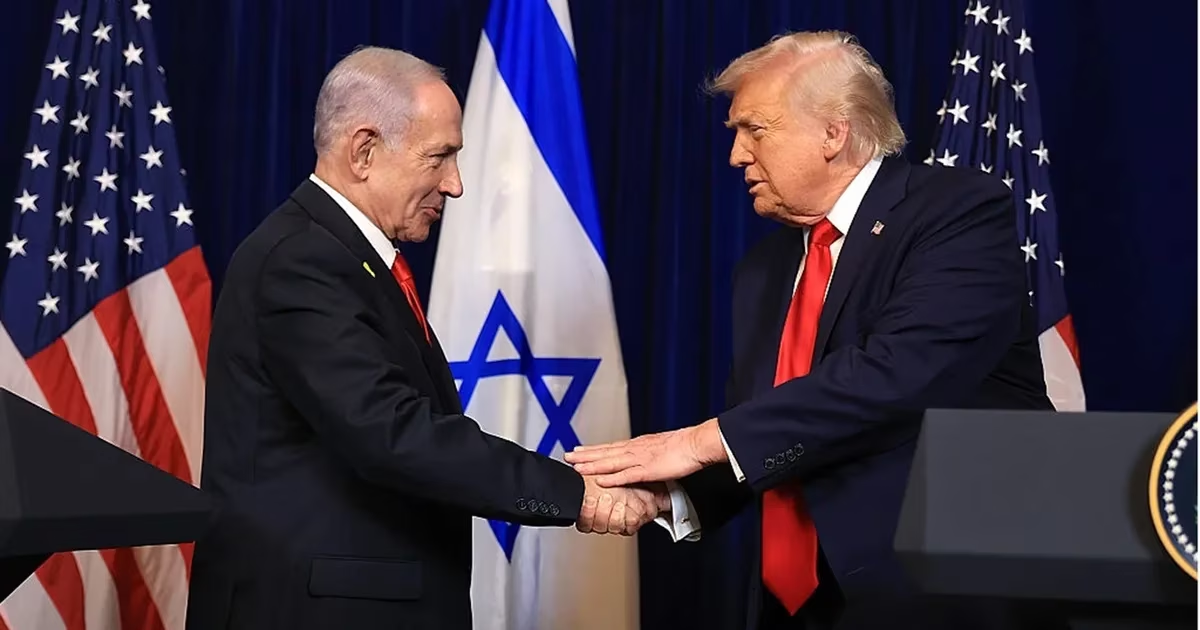







International press reports indicate that Israel has begun to adopt a bold and adventurous military approach, exploiting current circumstances to reshape the geopolitical reality in the region. Sources suggest that years of mutual deterrence with Iran have ended, as Tel Aviv now sees Hezbollah's arsenal as an obstacle that has been overcome through extensive preemptive operations.
Current data indicates that Israel and the United States are imposing complete air superiority over Iranian airspace, enabling them to repeatedly target ballistic missile infrastructure. This shift reflects an Israeli desire to neutralize existential threats before they mature, rather than relying on intelligence assessments that might misread intentions.
Informed sources considered that Hezbollah's recent attack, despite its limited impact, provided Israel with the necessary pretext to launch a pre-prepared military campaign. This campaign targeted Hezbollah leaders and weapon depots in Beirut and various parts of Lebanon, in an attempt to undermine its ability to respond on behalf of Tehran.
This reality reflects a fundamental shift in Israeli strategic thinking since the events of October 7, where the conviction has grown that it is necessary to destroy the material capabilities of adversaries as soon as they form. Discussions about the Iranian nuclear program are no longer limited to timing, but have moved to the actual implementation phase of striking vital facilities.
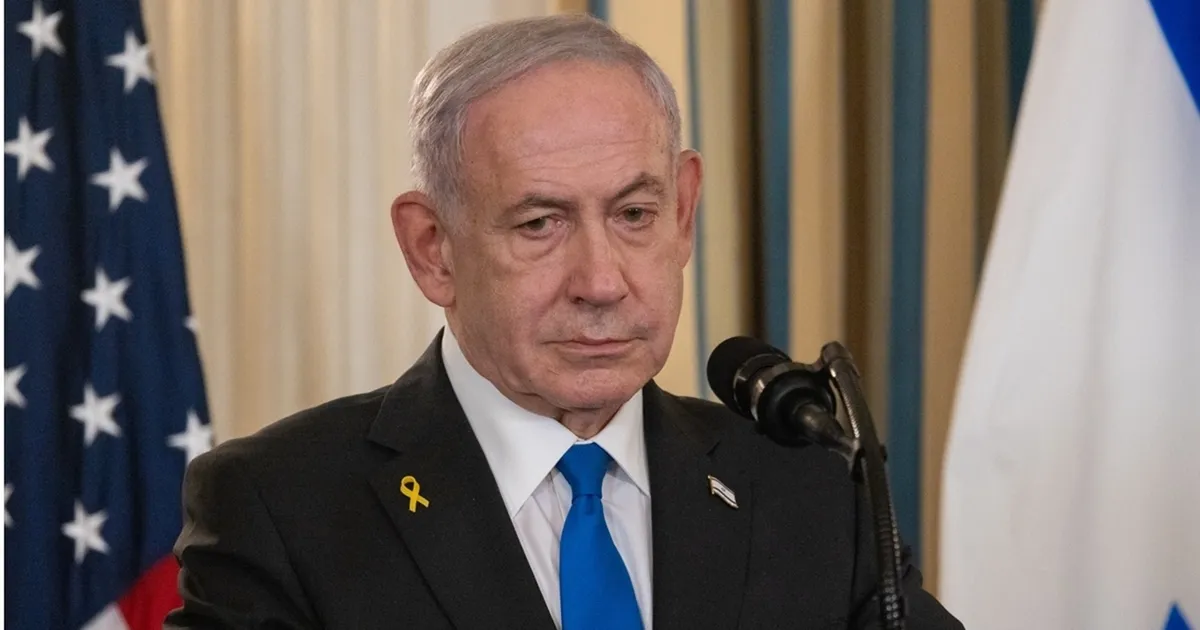
Defense sources revealed that Prime Minister Benjamin Netanyahu had instructed the army since the end of last year to prepare for a unilateral strike against Iran. However, military commanders initially expressed reservations about Israel's ability to withstand the consequences of a widespread Iranian response targeting major cities without international cover.
The Israeli military's stance changed radically once direct American involvement in offensive and defensive operations against Tehran was confirmed. Washington began mobilizing its forces and enhancing its aerial refueling capabilities, giving Israeli aviation the ability to carry out long-range raids with unprecedented firepower.
Israeli generals believe that this phase represents a historic and unrepeatable opportunity to strike the Iranian nuclear program and weaken the regime to the brink of collapse. US logistical support has allowed for the deployment of the largest combat air fleet in Israel's history to carry out missions to destroy missile launch platforms deep inside Iran.
Regarding Lebanese affairs, analyst Orna Mizrahi confirms that the current operations against Hezbollah are not spontaneous, but rather the implementation of plans laid out many months ago. She adds that Israel was waiting for the opportune moment to strike the military infrastructure that the party has embedded within residential areas in Lebanese villages and towns.
Israel accuses Hezbollah of continuously violating previous truce agreements, which has led the army to intensify its daily raids under the pretext of targeting terrorist sites. Military sources claim that the party has turned civilian homes into missile depots and launch platforms, necessitating a comprehensive cleansing campaign.
For its part, Hezbollah insists that its actions are in response to continuous Israeli provocations and violations of Lebanese sovereignty. This wave of escalation has led to dozens of civilian casualties and the displacement of thousands from their villages, portending a humanitarian catastrophe that is worsening with the continuation of military operations.
Analytical circles warn that the excessive confidence currently displayed by Israel could lead to counterproductive results if not coupled with clear political pathways. The use of excessive military force may succeed in destroying material targets, but it does not guarantee long-term stability in a region fraught with complexities.
Shira Efron, an analyst at the RAND Corporation, points out that the belief in a small state's ability to change the face of the region by force alone is a kind of strategic exaggeration. She emphasizes that aggressive behavior, even if it targets internationally unpopular parties, may face widespread regional rejection that complicates future diplomatic solutions.
It appears that the partnership between Washington and Tel Aviv has reached unprecedented levels of operational coordination, with combat burdens being openly shared. This alliance aims not only to deter Iran but also to impose a new reality that ends the influence of its associated armed factions in neighboring countries.
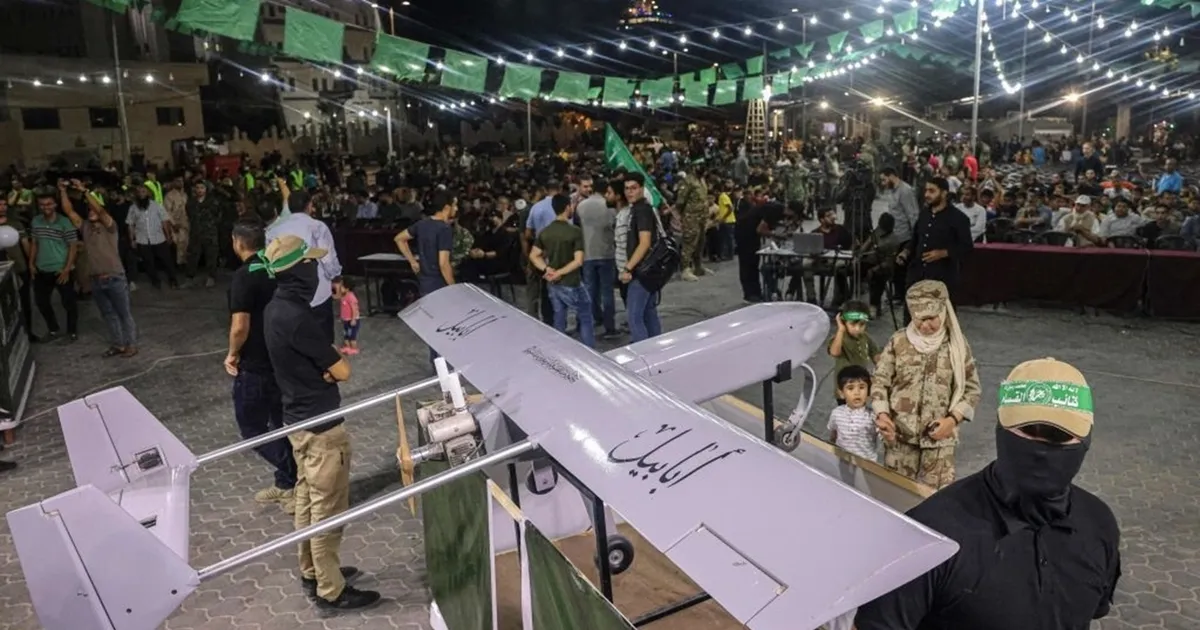
In conclusion, the region remains open to various scenarios, as Israel continues to exploit air superiority and Western support to implement its geopolitical agenda. With continued mutual shelling, the question remains about the extent to which this strategy can achieve real security away from the language of missiles and drones.
It is an exaggeration to believe that a country with a population of 10 million can change the entire region by force alone.



Share your opinion
New York Times: Israel Adopts Offensive Strategy to Reshape Middle East with US Support