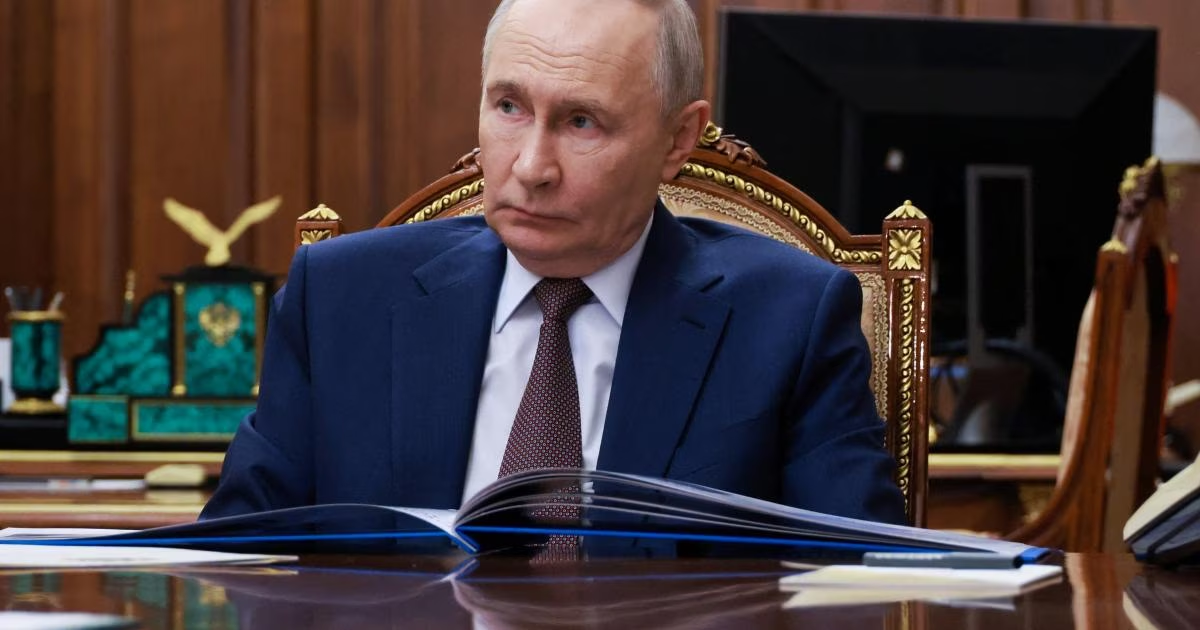







Russian President Vladimir Putin has intensified his diplomatic efforts towards the Middle East, conducting a series of phone calls with leaders of Gulf countries including Qatar, the UAE, Bahrain, and Saudi Arabia. These moves come amid escalating military tensions and ongoing aggression targeting Iranian territory, which has raised international concerns about the conflict spiraling out of control and turning into a comprehensive regional confrontation.
During his talks with Saudi Crown Prince Mohammed bin Salman, Putin stressed the need to find urgent political solutions to the current crisis, which he described as extremely dangerous. Sources reported that both sides reviewed the potential repercussions of the expanding scope of confrontations, expressing deep concern about the conflict's spark reaching the territories of other Arab countries, which could lead to dire consequences for international peace and security.
In a related context, the Russian President, during his call with his Emirati counterpart Sheikh Mohammed bin Zayed, affirmed the imperative of an immediate ceasefire and a return to the negotiating table. The Kremlin expressed its readiness to play a mediating role by conveying Emirati concerns to the leadership in Tehran, in an attempt to defuse the crisis and re-establish stability in the region, which is experiencing unprecedented turmoil.
As for the discussions held with the Emir of Qatar, Sheikh Tamim bin Hamad Al Thani, the focus was on the threats of third parties being drawn into the cycle of violence. The two leaders warned that continued military escalation would necessarily complicate the political landscape, making it difficult to contain the side effects of the combat operations that have begun to directly affect air navigation and trade movement.
For its part, the Russian Ministry of Foreign Affairs issued a strongly worded statement condemning the targeting of civilian facilities and targets, both inside Iran and in neighboring Arab countries. Sources indicated that Moscow is following developments on the ground with great concern, and considers that harming civilian infrastructure represents a dangerous escalation that disregards all international laws and norms applicable in armed conflicts.
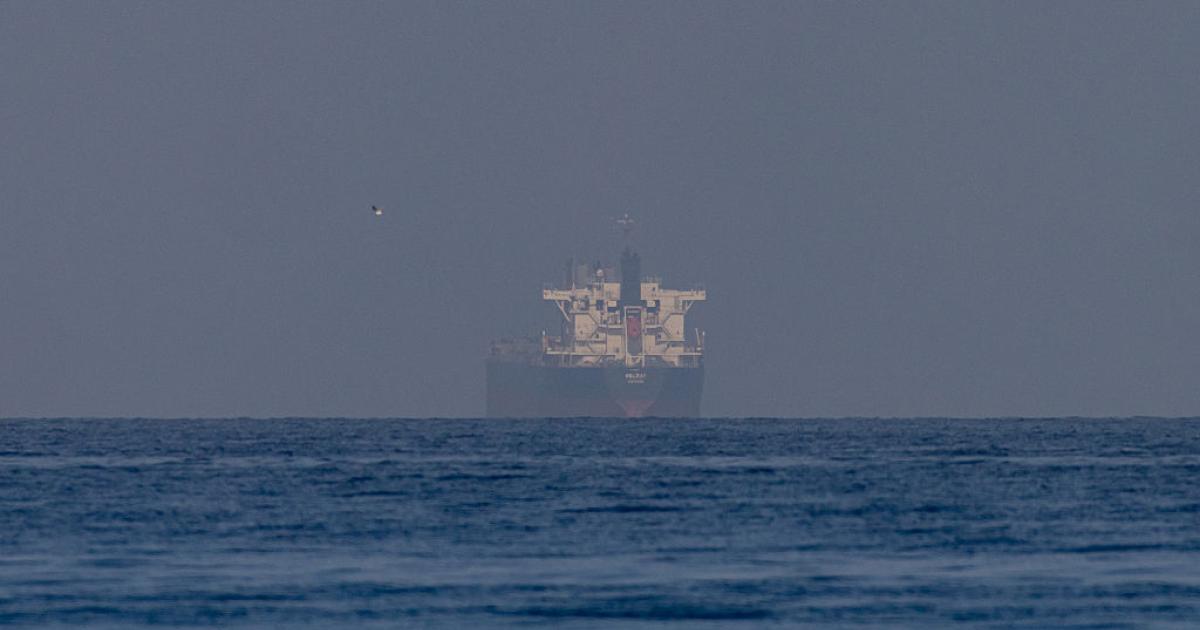
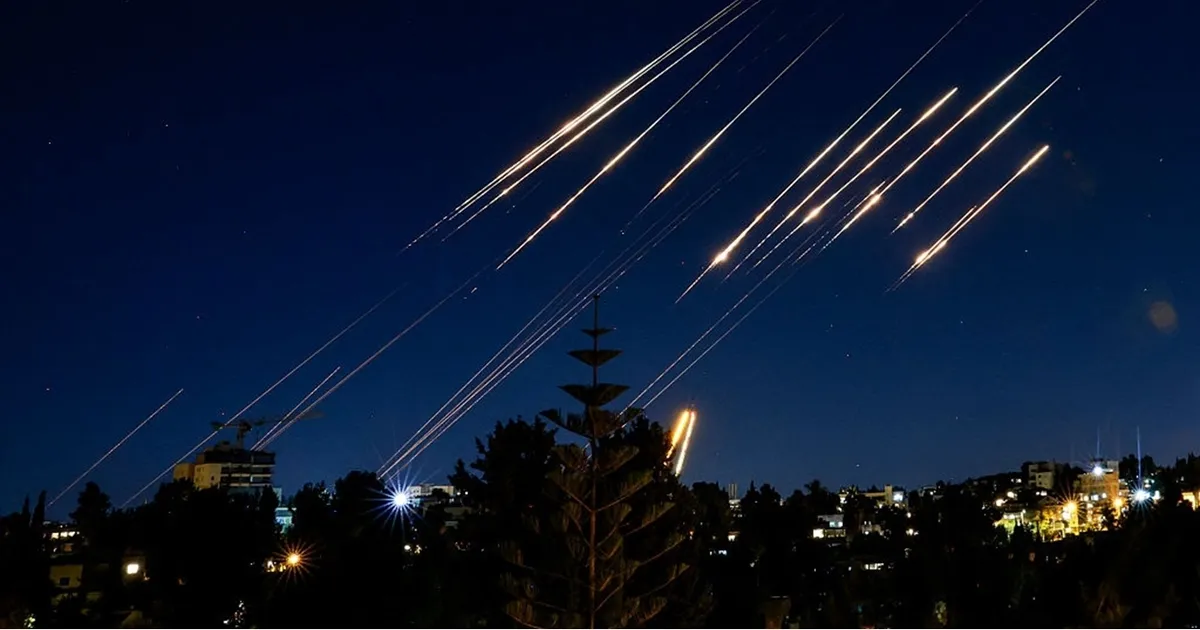
On the ground, the region witnessed widespread disruptions in air navigation after Tehran launched strikes on targets in Arab countries hosting American military bases. These developments led to the closure of airspace in several areas, causing partial paralysis of air traffic at major international airports such as Dubai and Abu Dhabi, amid a state of maximum security alert throughout the region.
Through these intensive contacts, Russia seeks to establish a de-escalation that ensures the complete collapse of the security system in the Middle East is avoided. Observers believe that direct Russian intervention with Gulf leaders reflects Moscow's desire to balance powers and prevent American unilateralism in managing the crisis, especially with the increasing risks threatening energy sources and global supply routes as a result of mutual military operations.
There is an urgent need to resolve this extremely dangerous situation through political and diplomatic means.

Share your opinion
Intense Russian diplomatic moves with Gulf leaders to contain regional escalation