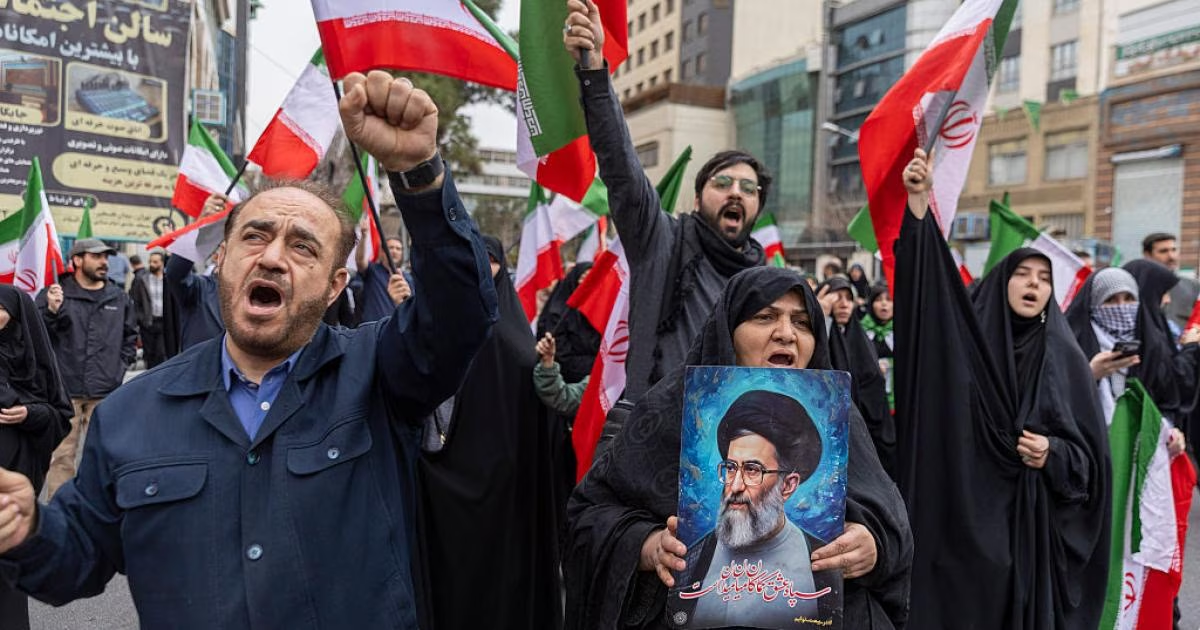







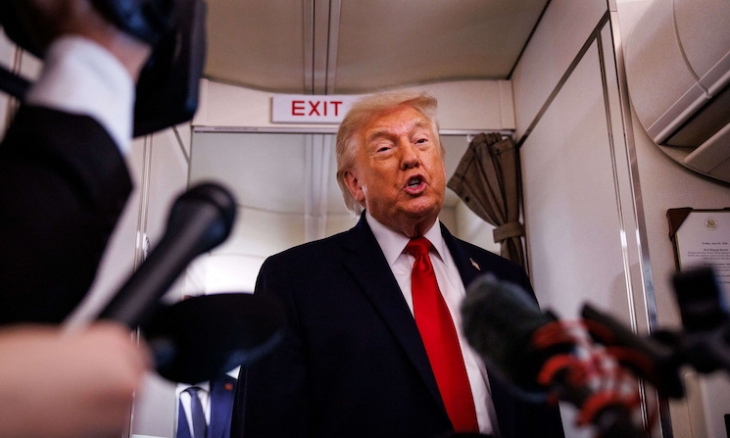
US President Donald Trump revealed radical shifts in the Iranian scene following recent developments, indicating in press statements that the new leadership in Tehran has shown a clear desire to open channels of dialogue with Washington. Trump affirmed that he agreed to this approach, describing the military and political successes achieved as unprecedented, especially with the departure of 48 prominent leaders from the Iranian regime's structure simultaneously.
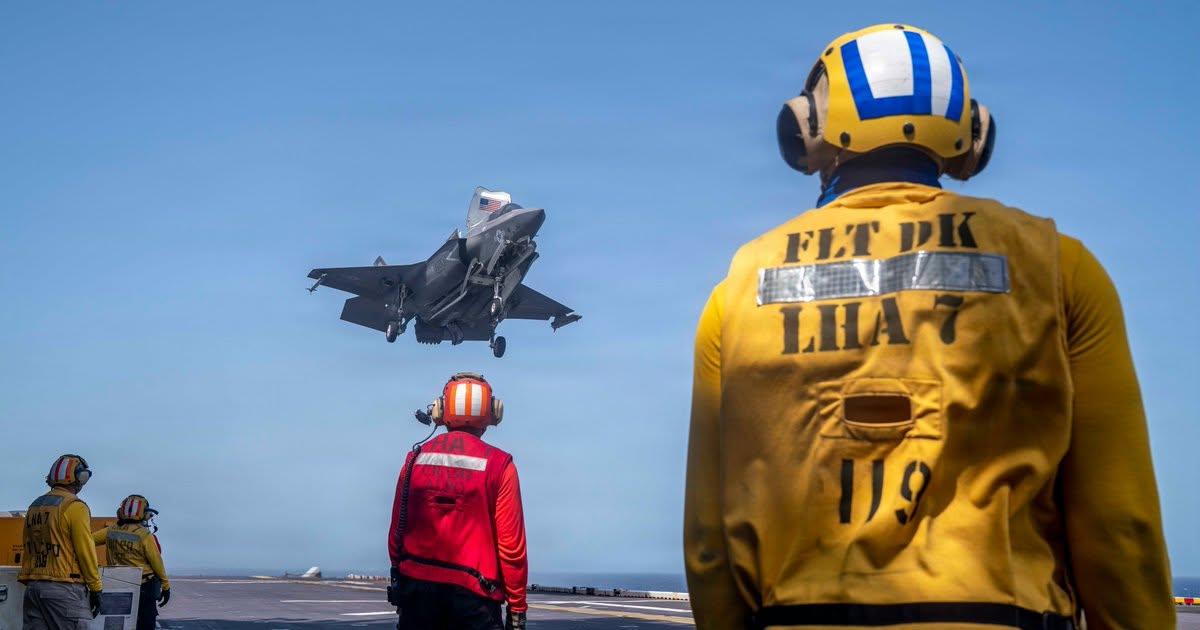
In a related context, informed sources clarified that the US administration is currently focusing on paralyzing Iranian military capabilities without resorting to a widespread ground intervention. Senator Tom Cotton, close to decision-making circles, indicated that the current strategy primarily aims to target the massive missile system to ensure that Tehran cannot rebuild its military arsenal in the near future.
Despite the military momentum, the problem of the absence of a political vision for the post-current regime era emerges, as Washington still lacks a clear conception of leadership alternatives. Political circles recalled previous statements by Secretary of State Marco Rubio before Congress, in which he affirmed the absence of an alternative plan or specific names that could take the reins in the event of the collapse of the existing political structure in Iran.
For his part, President Trump adopts a discourse in which he urges the Iranian people to take direct action and seize government headquarters after the end of joint military operations with Israel. Observers believe that these calls may open the door to widespread chaos, in light of the absence of transitional institutions capable of managing the country and preventing its slide into destructive internal conflicts.
On the American domestic front, criticism escalated from the Democratic Party, which described the recent military moves as aggressive and lacking the necessary legal cover. Democratic leaders warned that engaging in an open war with Iran could endanger the lives of thousands of American soldiers and citizens, without guarantees of achieving long-term stability in the region.
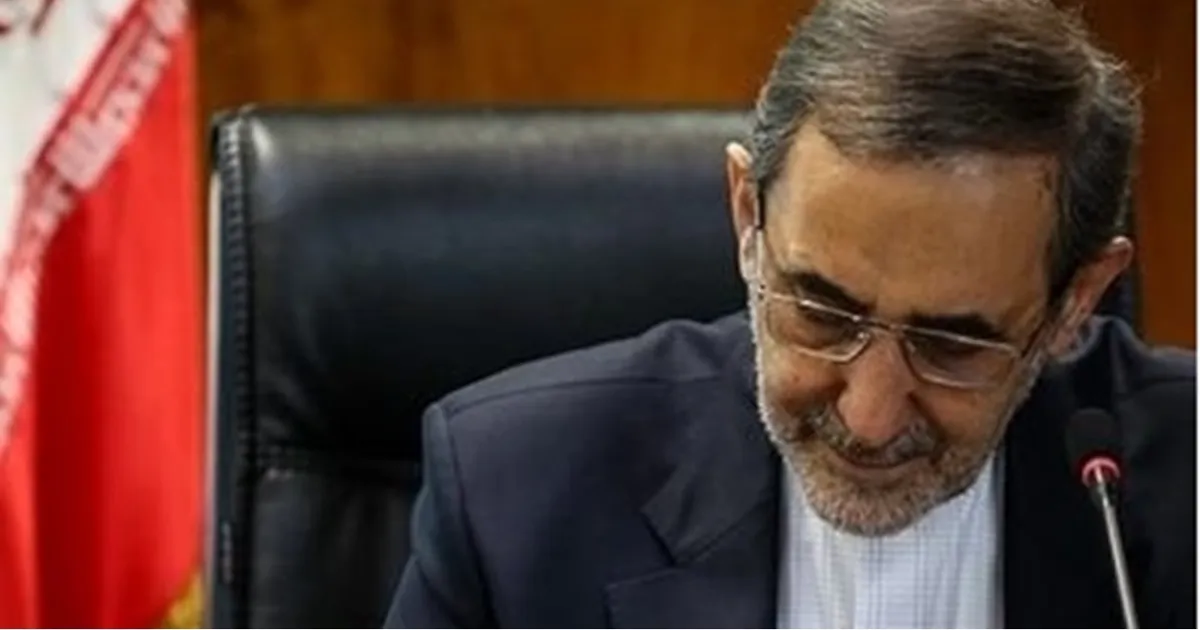
On the ground, media sources reported that prominent Iranian leader Ali Larijani survived an assassination attempt targeting him as part of the ongoing purges against the ruling elite. Following his survival, Larijani issued strong threats, affirming that the 27 US military bases spread across the Middle East would be legitimate targets for the anticipated Iranian response.
In Washington, the Federal Bureau of Investigation (FBI) raised the security alert to its highest levels to confront any potential threats on American soil. This step comes after intelligence reports indicating the possibility of pro-Tehran cells carrying out retaliatory operations in response to the assassination of the Supreme Leader, which put security agencies on constant alert.
Events in the region are accelerating in a way that places the international community before complex scenarios, where the desire for political change intertwines with the risks of a comprehensive military explosion. While Trump talks about an imminent dialogue, field threats and the absence of a comprehensive political plan remain major obstacles to drawing clear features for the future of Iran and the Middle East.
New Iranian leaders want dialogue and I have agreed to it, and things are moving forward at a pace no one can believe.
Share your opinion
Trump reveals Iranian desire for dialogue, Washington awaits post-Khamenei era