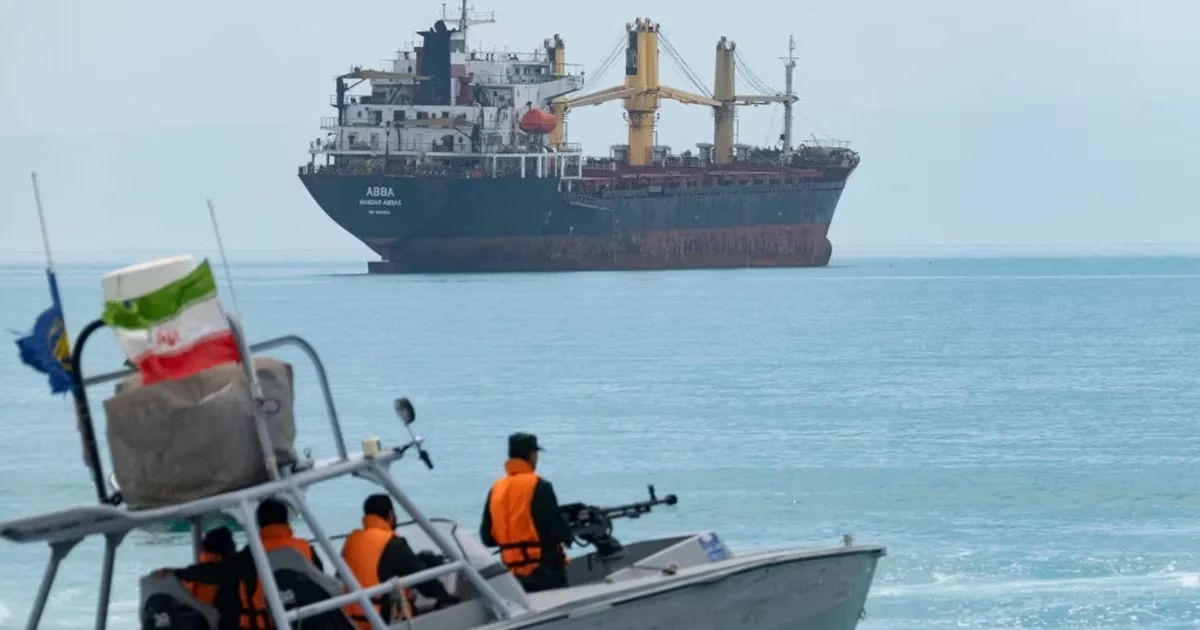







Maritime straits have historically been at the forefront of major conflicts in the Middle East. Just as the Strait of Tiran was the spark of the 1967 war, and Bab al-Mandab a battleground in Yemen, the Strait of Hormuz today emerges as the focal point of the comprehensive confrontation waged by the United States and Israel against Iran. This war, whose features are beginning to take shape on the ground, places the world's most vital waterway under a direct threat that could change the map of the international economy.
Geographically, experts correct a common misconception that the strait is shared by Iran and the UAE. The reality is that the territories facing the Iranian bank are Omani enclaves located within Emirati borders. This geographical overlap gives Muscat a sensitive role, as it has special relations with Tehran that spared its cities from the missile bombardment that struck other Gulf capitals. However, it will not be able to prevent Iran from restricting navigation if the latter decides to do so in response to air raids.
The Strait of Hormuz represents the lifeline of global energy, with about 20% of the world's oil production flowing through it. Disrupting this lifeline does not require an official decision to close it; the outbreak of hostilities is enough for shipping companies to start changing their routes, which has already happened with four major oil companies announcing the suspension of their operations in the region immediately after the attacks began.
Shipping sources reported that the UK Maritime Trade Operations (UKMTO) received reports from vessels in the Gulf indicating that they had received Iranian messages warning of the strait's closure. Despite the absence of an official announcement from Tehran so far, these on-the-ground movements confirm that international shipping lanes have become an integral part of the ongoing war's tools, raising concerns in energy markets.
Analysts believe that the United States and Israel understand the catastrophic economic consequences of this escalation, raising questions about whether harming the global economy is an indirect goal. The biggest loser here is the Asian powers, especially China, which relies on Iranian oil for up to 90% of its needs, and most of its oil imports pass through this threatened waterway.
Iran's hesitation to officially announce the closure of the strait may be a calculated tactic that gives it the ability to be selective in dealing with tankers. This situation allows Tehran to facilitate the passage of vessels belonging to its Asian allies, primarily China, while imposing an undeclared blockade on tankers from Western countries that support military operations against it.
Disrupting navigation in Hormuz would immediately lead to insane jumps in oil prices, shipping costs, and insurance, which is described as an 'energy nightmare.' This increase will not be limited to the transport sector but will extend to electricity prices and basic commodities worldwide, putting the global financial system under immense pressure whose end cannot be predicted.
The Strait of Hormuz is distinguished by the length of the Iranian coast along the Arabian Gulf, which gives Iranian forces a geographical advantage in naval guerrilla warfare. Even if Western forces resort to opening the strait by military force, securing the safety of ships remains practically impossible as long as those ships remain within range of Iranian fire adjacent to the shores.
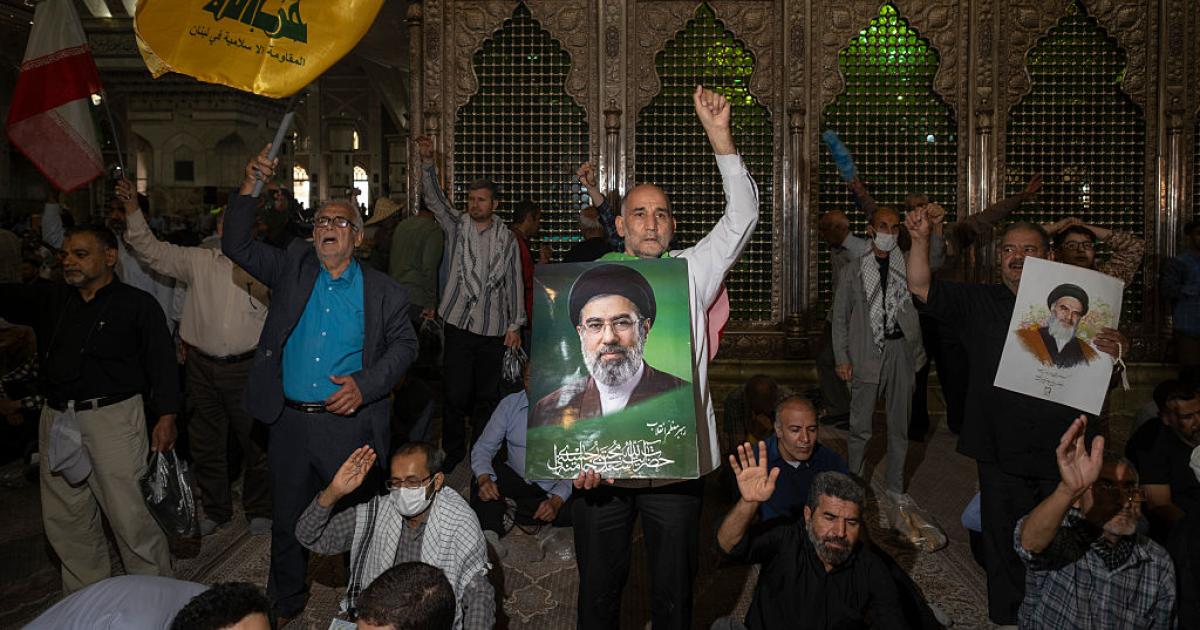
These developments come amid a strategic shift following the assassination of Iranian Supreme Leader Ali Khamenei, an event that moved the conflict from a stage of mutual deterrence to an attempt to completely break the regime. This assassination affected the religious and political authority of millions of Shiites around the world, making the Iranian response take an existential character to defend the legitimacy and survival of the state.
For his part, Israeli Prime Minister Benjamin Netanyahu seeks through this escalation to compensate for the security and military failures Israel suffered on October 7. Netanyahu sees targeting the head of the Iranian regime as an opportunity to reshape the balance of power in the region, moving beyond traditional rules of engagement towards a logic of 'chaos management.'
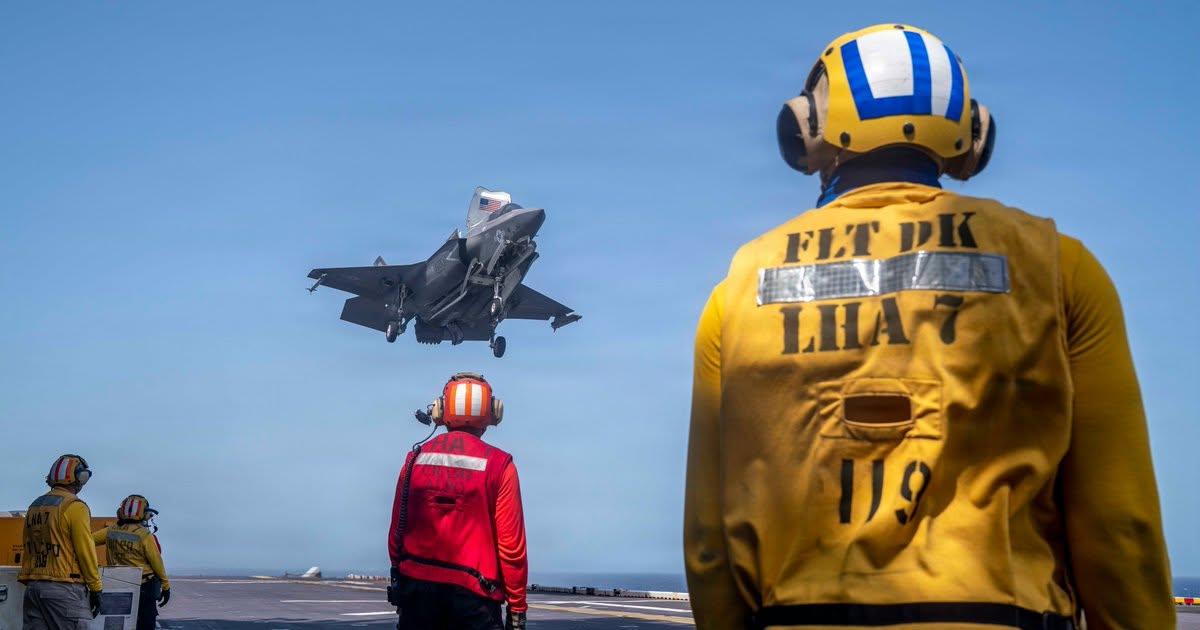
On the American side, Donald Trump adopts a strategy of raising the level of military escalation as much as possible before sitting at the negotiating table. This policy aims to force Tehran to make major concessions from a position of weakness, but at the same time, it risks dragging the world into an economic crisis that could spiral out of control due to the sensitivity of the energy issue.
The official Arab position remains characterized by clear helplessness in the face of accelerating events, with Arab capitals merely issuing statements calling for de-escalation and restraint. This absence of an active Arab role leaves the region an open arena for the clash of international and regional wills, while the peoples of the region pay the highest price for this conflict.
The transition from a logic of conflict management to a logic of existential confrontation means that the chances of returning to calm are slim in the foreseeable future. With international navigation held hostage in this conflict, the world stands on the threshold of a new phase of economic and political instability that could reshape the entire international order.
In conclusion, the Strait of Hormuz remains Tehran's strongest card to respond to air and missile attacks, a weapon that can hurt the West without firing a single shot. The mere threat of closing this artery is enough to disrupt political calculations in Washington and Tel Aviv, making the strait the real battleground in the coming days.
Any tension in the functioning of the Strait of Hormuz will create an economic crisis not only in the region but worldwide, as one-fifth of global oil production passes through it.


Share your opinion
Strait of Hormuz at the Heart of the Confrontation: The Global Energy Nightmare Begins with the Outbreak of War Against Iran