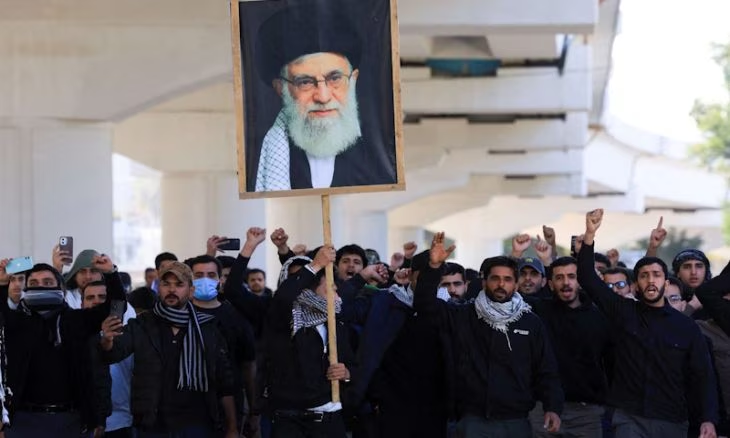







Political and military circles in Israel are experiencing a state of euphoria following the announcement of the assassination of Iranian Supreme Leader Ali Khamenei, amidst direct US involvement in military operations. Despite the celebration of this intelligence achievement, cautionary voices are emerging, warning against the danger of succumbing to 'the intoxication of power' and getting entangled in a protracted military confrontation with an unknown end.
Former National Security Advisor, Giora Eiland, pointed out that the nightmare scenario is Tehran adopting a strategy of 'strategic patience,' where the regime survives and continues to target Israeli and Gulf interests with missiles. Eiland stressed that the real test will be the field results after several months, calling for not rushing to declare final victory before the situation stabilizes.
Multiple scenarios are being proposed for the future of governance in Iran, with observers believing that the collapse of the regime may be possible if military strikes coincide with widespread popular protests. Some compare the current situation to what happened in Syria, where military and internal pressures led to the fragmentation of the ruling regime's structure and its loss of control over vast areas.
In contrast, questions arise about the intentions of US President Donald Trump, and whether he will seek to complete the war until the regime is overthrown or will look for a quick diplomatic exit. Experts suggest that Trump may maneuver by offering to resume negotiations with a new Iranian leadership that might be more pragmatic and less radical than the previous generation.
For his part, political analyst Nahum Barnea believes that the survival of the Iranian system as a whole is Tehran's top priority, not the survival of individuals. Barnea revealed, citing American sources, that Washington had indeed offered a ceasefire proposal, but the Iranian side showed intransigence and rejected the offer in its early stages.
Journalistic analyses called for the necessity of humility in defining war objectives, and focusing on destroying missile capabilities and nuclear facilities instead of betting entirely on regime change. Analysts considered that any success in destabilizing Tehran would have major repercussions reaching Europe and China, thus reshaping international balances.
Nadav Eyal warned that the Iranian regime might resort to deterring the United States by targeting strategic facilities in Gulf countries to raise the cost of the war. He explained that Tehran might be content with launching a limited number of missiles daily to ensure continuous attrition, as long as no internal revolution erupts to overthrow state institutions.
Intelligence experts believe that Israel exploited the state of 'strategic blindness' that afflicted the Iranian leadership and its involvement in outdated security concepts that are no longer effective. However, they stressed that tactical success in the assassination does not necessarily mean an immediate strategic change in the turbulent reality of the Middle East.
Media sources warned of the need to remember past experiences, where leaders declared victory in previous rounds only for it to become clear later that the confrontation was still ongoing. The newspaper 'Haaretz' in its editorial called for a responsible policy that precisely defines objectives and seeks political exits that ensure long-term security.
Questions were raised about the possibility of a war of succession erupting within the Iranian regime's factions between conservatives and radicals following Khamenei's absence. Observers confirm that aerial military gains, no matter how powerful, rarely succeed alone in overthrowing complex political systems without ground interventions or widespread revolutions.
Kasina Svetlana, an expert on Iranian affairs, warned that the failure of the war to overthrow the regime would make the region more violent and dangerous than it was. She pointed out that the world is currently watching the ability of the United States and Israel to impose a new reality, or to slide into the trap of a comprehensive regional confrontation.
In a different reading, analyst Gideon Levy believes that excessive reliance on military force will not solve the fundamental crises in the region. Levy called for the necessity of ending the occupation and stopping the oppression of the Palestinian people as the only way to achieve real stability away from the 'intoxication of power' that could end in a harsh shock.
Independent analysts expressed concern that Israel excels at waging wars but always lacks clear strategies to end them. They pointed out that continued escalation could ultimately strain relations with Washington if the latter feels it has been drawn into a war that does not serve its supreme interests.
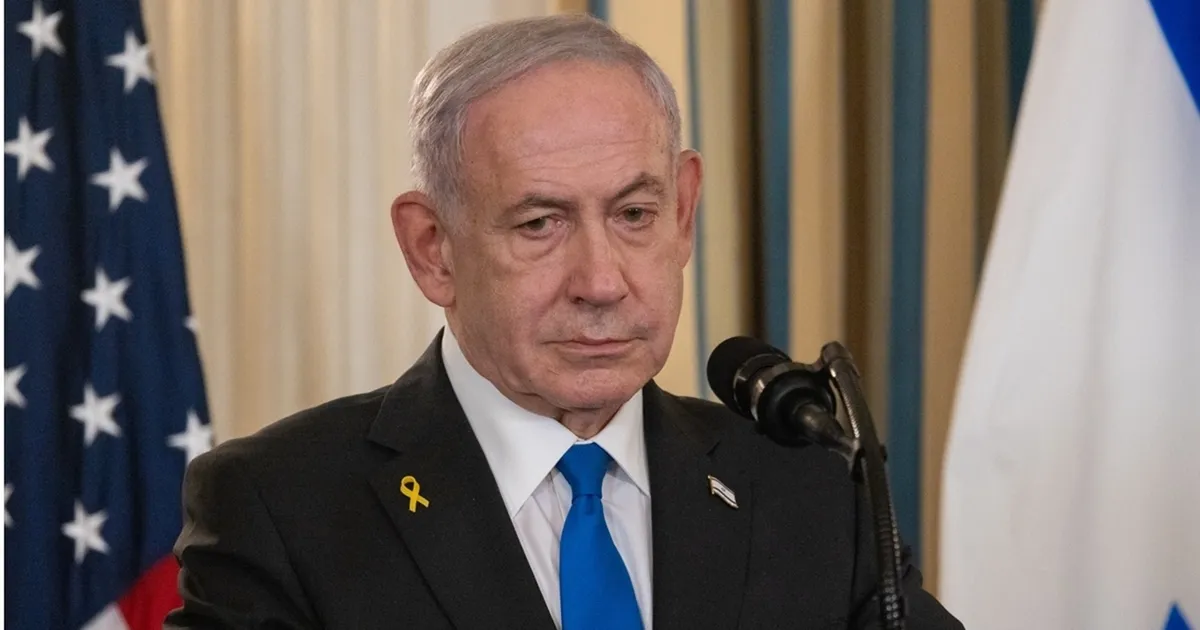
Finally, fears arise that Prime Minister Benjamin Netanyahu will exploit the military momentum to achieve internal political gains and prolong his stay in power. Observers warn that appearing as a 'historical hero' could push towards additional military adventures, such as opening new fronts, thus placing the entire region on the brink of a volcano.
The day we can say that the operation has succeeded in strategically changing the reality of the Middle East is still far off.



Share your opinion
Celebrations and Warnings in Israel Following Khamenei's Assassination: Fears of a Long War 'Trap'