






Washington – Said Arikat - 2026
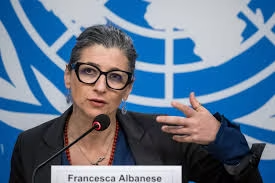
Francesca Albanese's family has filed a lawsuit in a federal court in Washington against the Donald Trump administration, challenging the sanctions imposed on her by the US government last year due to her stances on the war in Gaza and her criticisms of Israel.
The lawsuit, filed Wednesday in the US District Court for the District of Columbia, states that the sanctions "violate the First Amendment of the US Constitution," considering that Albanese's statements and her work within the United Nations fall under constitutionally protected freedom of speech and professional activity. The lawsuit was filed by Albanese's husband and minor daughter, arguing that the US measures have caused direct harm to the family, including financial and banking restrictions and complications related to residency and travel.
Albanese serves as the United Nations Special Rapporteur on the situation of human rights in the occupied Palestinian territories, an independent position appointed by the UN Human Rights Council. During the recent war in Gaza, she was one of the most prominent voices criticizing Israeli military operations and called for accountability for potential violations before the International Criminal Court.
In July 2025, the US administration imposed sanctions on Albanese, accusing her of taking "biased" positions and working to undermine the interests of the United States and its allies. The sanctions included her listing on the Treasury Department's registers, which entails freezing any assets subject to US jurisdiction and prohibiting financial transactions with her by American institutions or individuals.
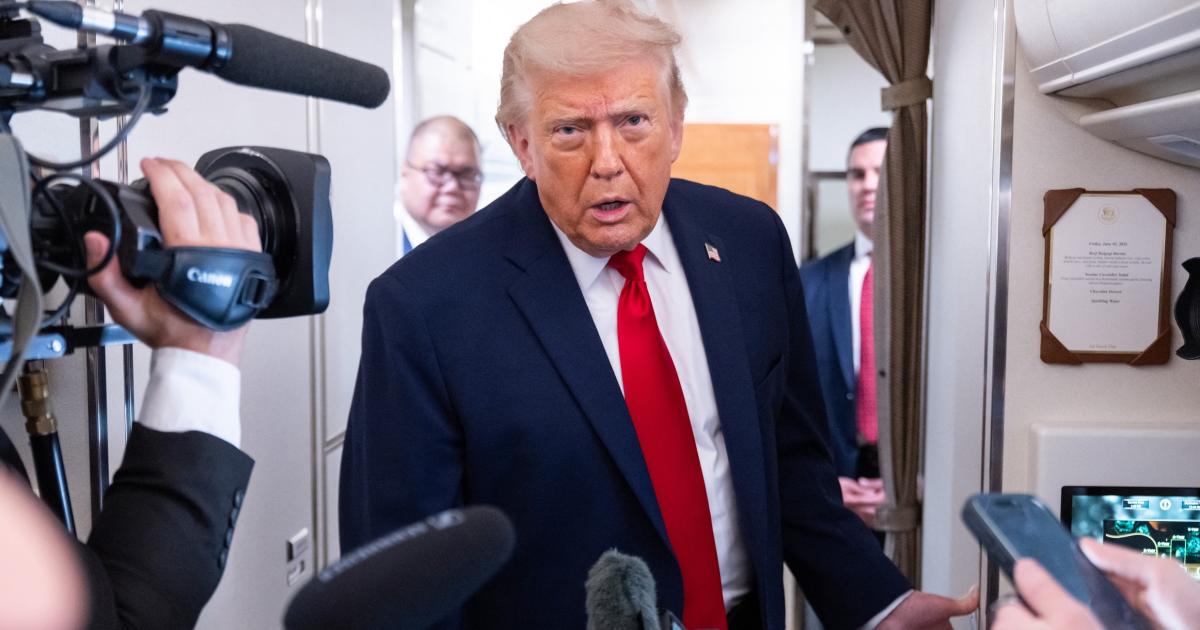
The lawsuit names several senior officials in the Trump administration in their official capacities, including the Secretary of State, the Secretary of the Treasury, and the Attorney General, arguing that the sanctions decision was the result of a "high-level political directive" aimed at silencing a critical voice within an international institution.
In a statement, Albanese described the sanctions as an "attempt to intimidate her and deter her from performing her duties," affirming that she would continue her work as an independent expert mandated by the United Nations. For its part, the US administration defended its decision, stating that the measures are legal and fall within the executive branch's powers in foreign policy and protecting national interests.
The case highlights escalating tension between Washington and some UN human rights mechanisms, particularly concerning the Palestinian-Israeli issue. It also opens the door for a new judicial test of the limits of using US sanctions against international officials, and the extent to which such decisions are subject to review by US courts when they have effects that touch upon constitutional rights within the United States.
It is expected that the court will begin considering preliminary requests to temporarily halt the implementation of sanctions until the constitutionality of the measures is decided, in a case that may have repercussions extending beyond the direct parties to affect the relationship between US constitutional law and international accountability mechanisms.
This case reflects a growing clash between traditional US foreign policy tools, based on sanctions, and the domestic constitutional legal system that grants broad protection to freedom of expression. US courts have long given the executive branch wide latitude in national security matters, but targeting an individual working within an independent UN framework raises a new question about whether sanctions can become a tool of political deterrence against legal or human rights discourse. Consequently, the court may find itself facing a delicate test of balancing presidential powers and protecting individual rights within the US constitutional system.
At the international level, the repercussions of the lawsuit may extend beyond its legal boundaries to affect Washington's relationship with UN institutions, especially if the imposition of sanctions is considered a precedent that allows for punishing international experts for their reports or professional opinions. The success of the lawsuit could strengthen the independence of UN human rights mechanisms, while its failure could encourage other countries to take similar actions against UN rapporteurs who criticize their policies. In both cases, the issue appears to be an indicator of a broader shift in the interplay between international law and the domestic policies of major powers.
Share your opinion
Francesca Albanese's Family Sues Trump Administration in Washington Federal Court