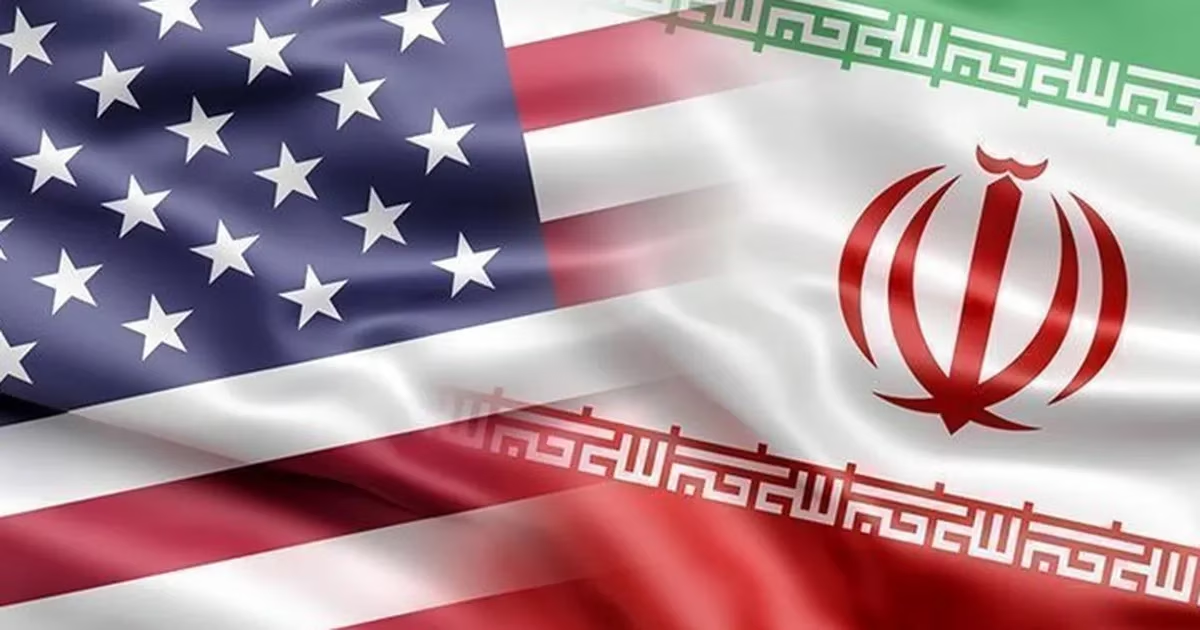







Recently, the pace of discussion about a potential military confrontation between the United States and Iran has escalated. However, observers believe that the real arena for decision is not on military battlefields but in the political corridors of Washington. Estimates indicate that electoral calculations and narrow political interests have become the primary driver for any decision regarding war or peace in the region.
According to Hebrew press sources, citing political analyses, actual indicators of an armed conflict do not appear in naval movements or the evacuation of diplomatic missions. Rather, these signs lie in the complex calculations within the US administration, where the decision for war is viewed as a tool to bolster electoral standing more than a strategic security necessity.
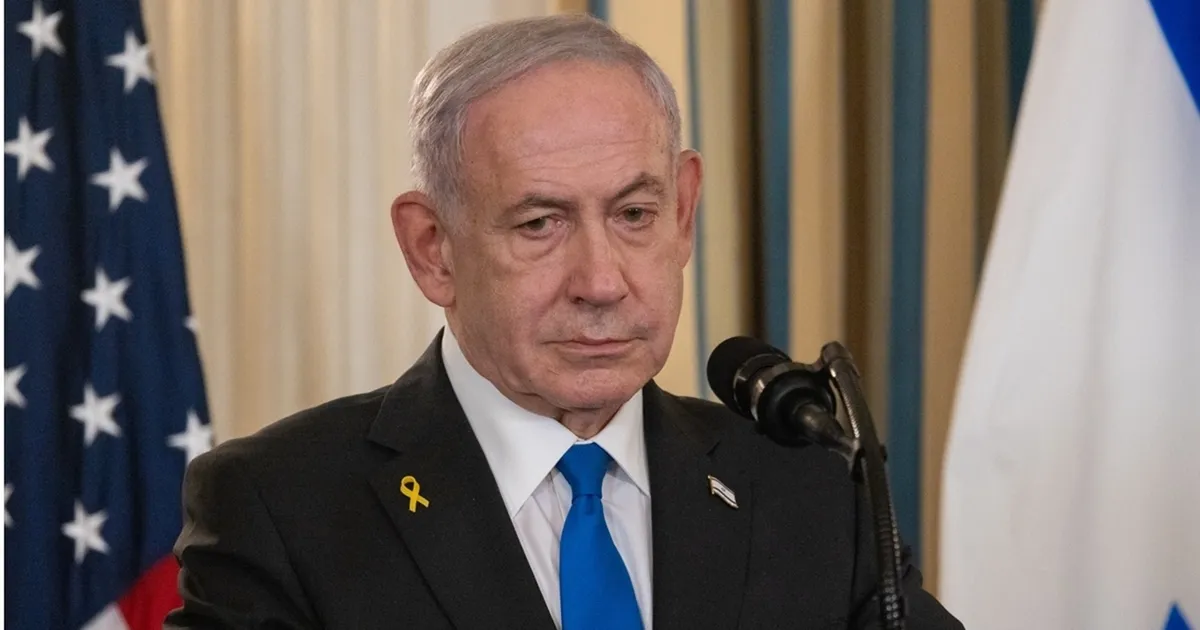
On the Israeli side, analysts believe that Prime Minister Benjamin Netanyahu's decisions regarding the Iranian file are not based on purely security considerations. The timing of any potential escalation is linked to his ability to leverage the results as a political 'victory' that enhances his chances in upcoming elections, or to avoid the repercussions of any failure that could jeopardize his political future.
The scene in the United States appears largely similar, with President Donald Trump monitoring the implications of any widespread military involvement on his political position. The midterm elections scheduled for next November emerge as a crucial factor preventing adventurous decisions that could lead to a decline in his popularity among American voters who tend to favor calm.
Sources indicate that anyone seeking to understand future American trends should monitor opinion polls and economic data instead of tracking radar images. The current administration prioritizes internal stability and economic growth above costly military escalation options in the Middle East.
The recent State of the Union address, delivered by Trump and lasting over one hundred minutes, clearly reflected his priorities. While the speech was lengthy, the Iranian file received only eight minutes, indicating a decline in its urgency on the White House's agenda.
During those limited minutes, Trump focused on the necessity of curbing Iran's nuclear program as a prerequisite for any future understandings. It was noted that the speech did not include explicit demands for regime change in Tehran, and he showed relative flexibility regarding the ballistic missile issue, which was interpreted as a desire to keep diplomatic channels open.
In contrast, the American president focused his attention on the economy and immigration, considering them the two main pillars of his 2024 election campaign. Trump faces real challenges in these two areas, with declining public support due to economic results that have not lived up to previous electoral promises.
Recent opinion polls support the trend of de-escalation, with a YouGov poll showing that only a small percentage of Americans support an attack on Iran. This widespread public reservation puts additional pressure on decision-makers in Washington to avoid any slide into an inconclusive confrontation.
Trump hinted in his recent statements, both public and through his close associates, at his preference to avoid direct military confrontation for now. This coincided with reports indicating skepticism within US military leadership about the feasibility and success of any large-scale military campaign against Iranian targets.
Despite these indicators, the option of an attack cannot be definitively ruled out from Trump's or Netanyahu's calculations. Both may resort to military action if they perceive that internal political circumstances necessitate a radical change in the public agenda to divert attention from domestic crises.
The changes in Netanyahu's stances in previous election campaigns confirm that strategic decisions follow immediate political needs. This volatility makes it difficult to predict the next step without linking it to the extent of the ruling coalition's need in Israel to strengthen its legitimacy before the public.
The direction of American public opinion remains the most important compass for understanding the regional scene and its dramatic developments. While aircraft carriers approach the region's coasts, the figures released by research centers and opinion polls remain the actual trigger in Washington.
In conclusion, the conflict between political ambitions and security necessities will continue to govern the relationship between Washington, Tel Aviv, and Tehran. As election dates approach, the numerical calculations of voter turnout will become the primary criterion in determining the fate of the next war in the region.
The true indicators of war breaking out are not in military movements, but in opinion polls and economic data within Washington.



Share your opinion
Electoral calculations take precedence over military options: Will Washington and Tel Aviv decide on war with Iran?