






Discussions within the US administration are intensifying regarding how to deal with the Iranian file, as military analysts have cast doubt on the success of any potential military action against Tehran. All eyes are now on the Swiss capital, Geneva, which will host a crucial meeting on Thursday between American and Iranian representatives, in a meeting described as a 'last chance summit' to save the diplomatic path and avoid a comprehensive confrontation.
According to Hebrew press estimates, US President Donald Trump is not enthusiastic about engaging in an open war in the Middle East, preferring instead to exhaust all diplomatic tools to impose a new agreement. However, military force remains an option on the table if the White House perceives the pressures to be ineffective in changing the behavior of Iran's Supreme Leader Ali Khamenei.
The current crisis with Tehran differs from the swift operations Trump prefers, such as those seen in Venezuela about two months ago, as a confrontation with Iran requires a long breath and exorbitant cost. Joint Chiefs of Staff Chairman General Dan Kin expressed deep doubts about the chances of success of a long military campaign, despite Trump's continuous assurances of his country's ability to achieve a quick victory if the decision is made.
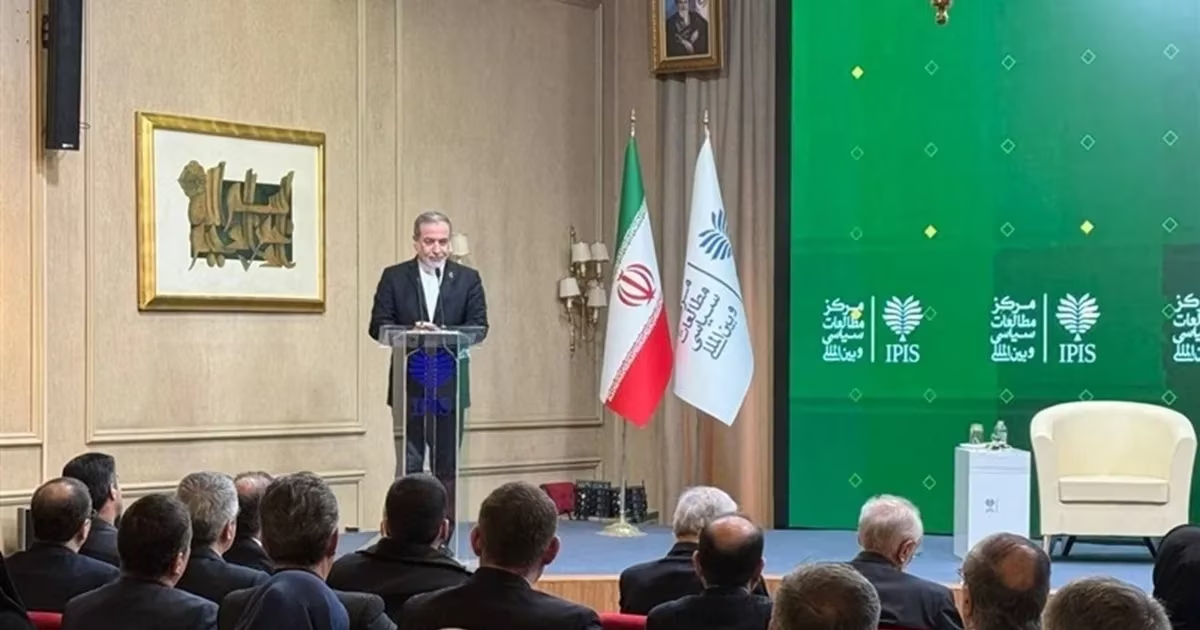
In contrast, the Iranian regime shows remarkable resilience, with Khamenei viewing the conflict with Washington as an existential battle for survival that does not accept easy compromises. Iranian Foreign Minister Abbas Araqchi is leading diplomatic tactics aimed at gaining time and postponing a decisive resolution, seeking to force the US administration to make substantial concessions and accept compromises that ensure the regime's continuity.
Reports indicate that Trump expressed surprise at Tehran's lack of response to maximum economic pressure, despite Washington's hints of willingness to concede some demands, including allowing limited levels of uranium enrichment. Iran's nuclear capabilities remain under close surveillance, especially with high-enriched reserves hidden in fortified underground facilities.
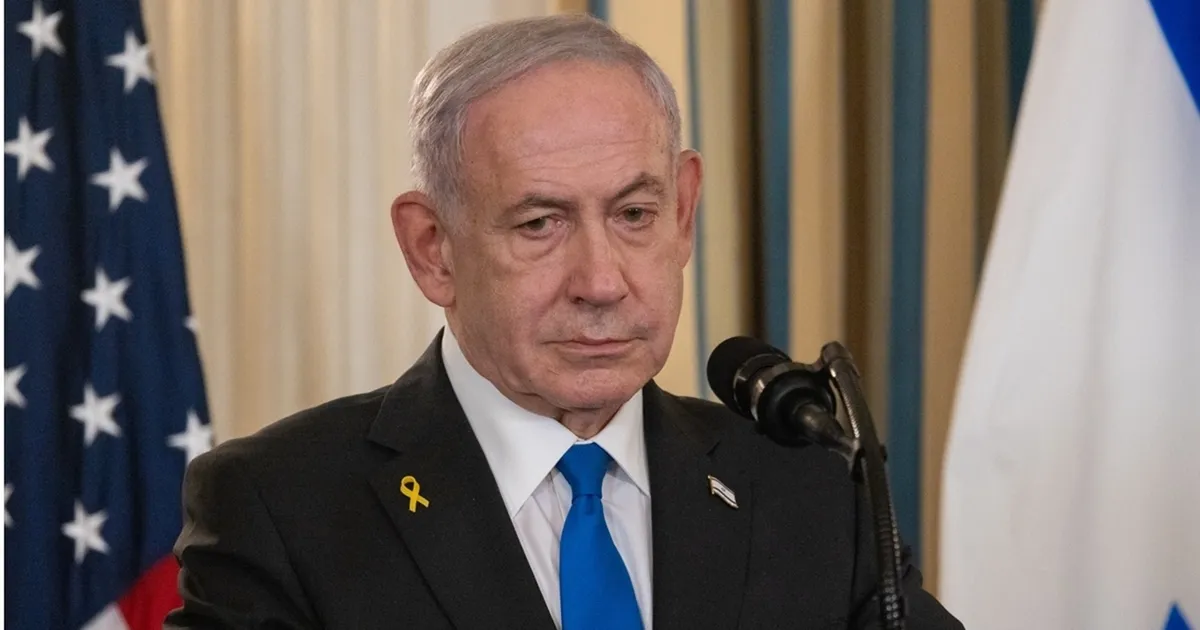
For its part, the Israeli government is in a state of anticipation and concern about the possibility of concluding a partial agreement that leaves Iran's nuclear infrastructure intact. Prime Minister Benjamin Netanyahu is closely monitoring US moves in Geneva, warning that any retreat from the policy of full pressure will necessarily undermine regional security and legitimize the Iranian missile threat.
On the internal Iranian front, strict international sanctions have led to a severe economic recession, sparking waves of popular protests that authorities met with severe repression. At the same time, the deployment of US forces in the region and around the Arabian Gulf continues, placing field commanders and soldiers under constant operational and psychological pressure, awaiting the outcome of political moves.
Washington is currently considering the option of a limited airstrike aimed at weakening Iran's military capabilities before returning to the negotiating table. However, this strategy clashes with the firmness of the Iranian position, which may make the 'Geneva Summit' merely a stop in a long conflict that could take months of complex political and military tug-of-war in the region.
The Israeli government fears any partial agreement that might leave Iran's nuclear threat intact, and Netanyahu is closely monitoring the situation, warning against weakening regional security.



Share your opinion
Israeli Fears of an Imminent US-Iranian Settlement in Geneva