







Media sources have revealed rapid developments in the management of the Gaza Strip, as Indonesian forces are scheduled to begin their field operations within the Strip in the next two weeks. This step is an international precedent, as Indonesia will be the first foreign country to deploy its forces to Gaza as part of what is known as the Multinational Stabilization Force.
A high-level delegation of Indonesian representatives is expected to arrive in the region in the second week of next March. This visit aims to conduct logistical and field coordinations with international and regional parties to plan the deployment of forces and ensure their smooth transition to their designated locations.
Reports indicate that members of the delegation will hold intensive meetings with American and Israeli officials to discuss security arrangements. The visit will also include entering the occupied Palestinian territories for the first time, a step that reflects the seriousness of international efforts to establish new administrative structures in the besieged Strip.
In the context of military preparations, Jakarta announced that it has already begun preparing about 8,000 soldiers to be part of the proposed international force. These moves come in implementation of the provisions of US President Donald Trump's plan regarding the future of Gaza, which aims to find sustainable security alternatives.
The spokesperson for the Indonesian Armed Forces, Doni Pramono, stated that the full readiness of the forces will be achieved by the end of next June. He explained that the first batch, comprising about a thousand soldiers, will be fully ready for actual deployment in April 2026 according to the established timelines.
Despite these extensive field preparations, Indonesian authorities confirmed that the final decision regarding actual deployment has not yet been definitively made. Sources indicated that political discussions are still ongoing within government circles to ensure the step aligns with national and international constants.
The Indonesian Ministry of Foreign Affairs clarified that the tasks of the forces, if they arrive in Gaza, will be precisely defined and purely humanitarian in nature. These units will not engage in any military confrontations or combat operations, as their role focuses on supporting stability and providing assistance to the local population.
However, the official statement did not rule out the forces resorting to the use of force in self-defense as a last resort. Jakarta stressed that any military movement would be governed by international law and would ensure the protection of mission personnel and the continuity of their relief role in the region.
The operational area of the Indonesian force will be limited to the borders of the Gaza Strip, which Jakarta considers an integral part of the desired Palestinian state. Indonesia, the largest Muslim-majority country by population, reiterated its commitment to the two-state solution and supporting the legitimate rights of the Palestinian people to self-determination.
This step gains special importance given the absence of official diplomatic relations between Indonesia and the Israeli occupation. This indirect coordination represents a shift in dealing with regional crises, as Jakarta seeks to play a pivotal role in securing aid and reconstruction.
Earlier, the White House had adopted administrative structures for the transitional phase in Gaza, including executive councils and national committees. The "International Stabilization Force" is considered the security pillar of these structures, as it will undertake tasks of disarmament, securing aid convoys, and vital construction materials.
These arrangements fall within the second phase of the peace plan supported by UN Security Council Resolution 2803. This international path aims to end the repercussions of the long war and ensure that armed conflict does not return through strict international oversight on the ground.
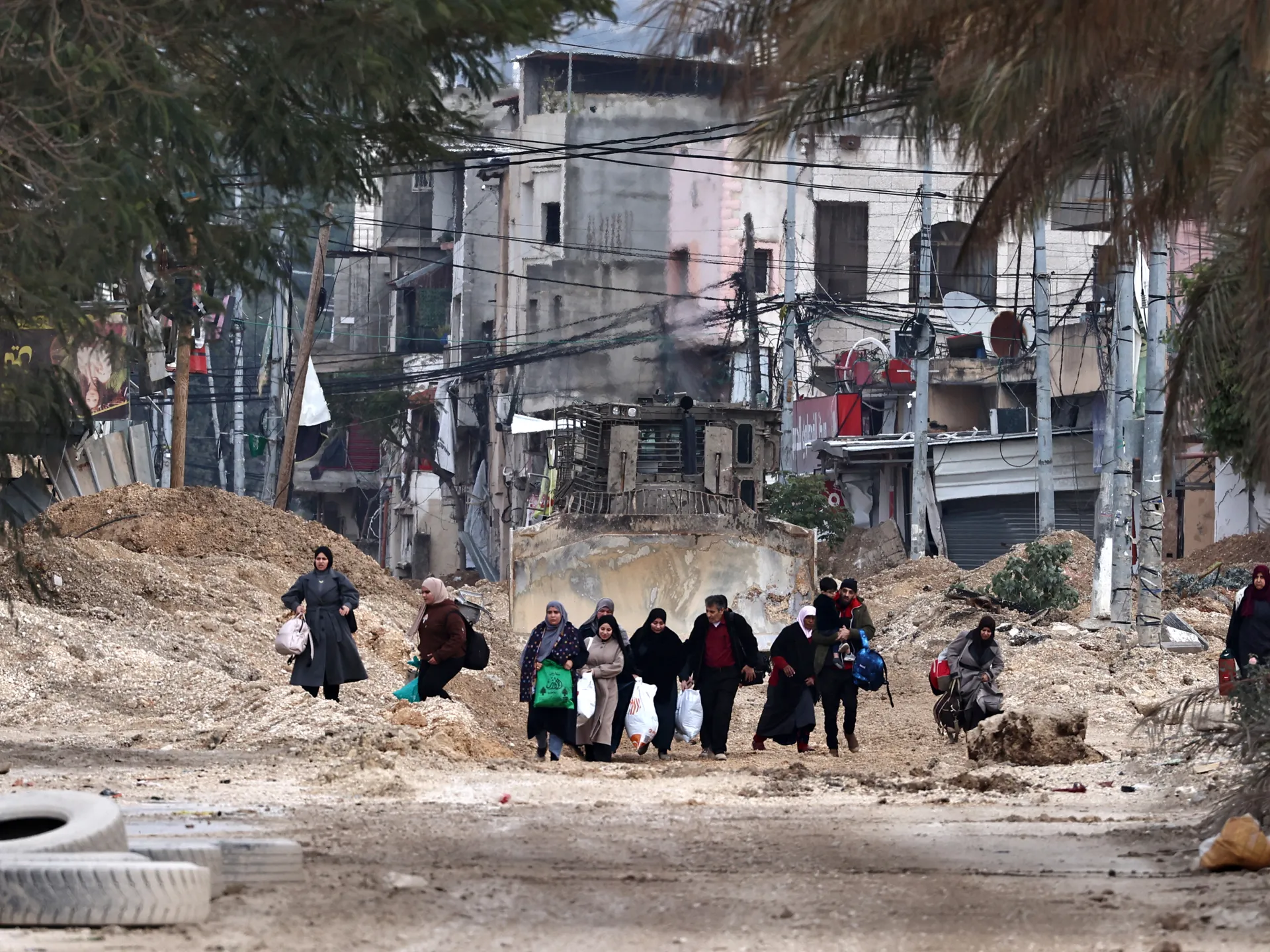
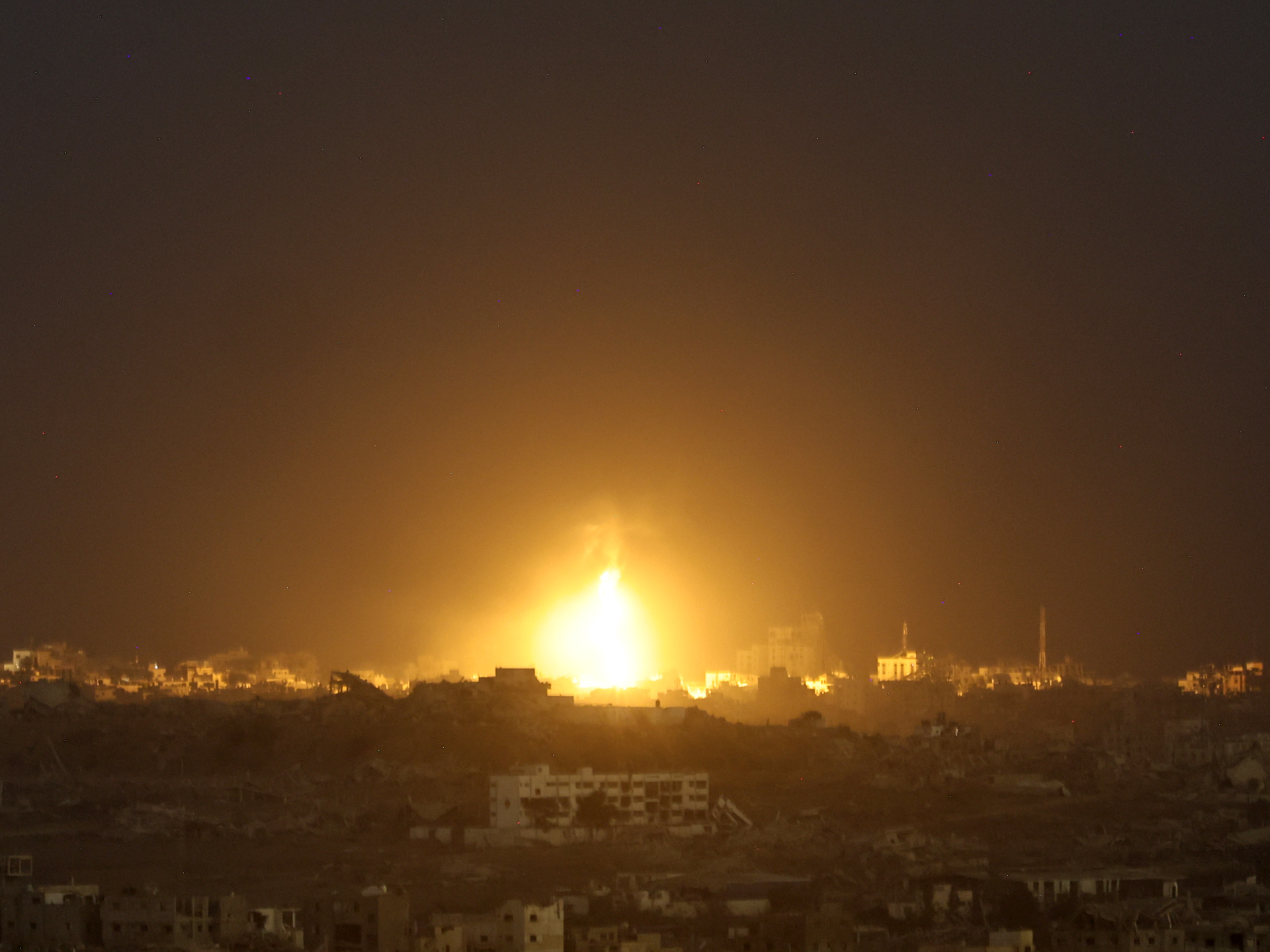
This move comes amid a cautious calm in the Strip since the ceasefire agreement came into effect last October. The two-year war left enormous destruction affecting most vital facilities and homes, making the need for international forces to secure reconstruction urgent.
Official statistics indicate that the war resulted in the martyrdom of more than 72,000 Palestinians and the injury of over 171,000 others. The United Nations estimates the cost of reconstructing what the military machine destroyed at about $70 billion, with 90% of civilian infrastructure damaged.
Indonesian soldiers will be ready by the end of next June, and their mission will be of a limited humanitarian nature without participating in combat operations.


Share your opinion
Indonesia Prepares to Send First Foreign Force to Gaza Strip Within Two Weeks