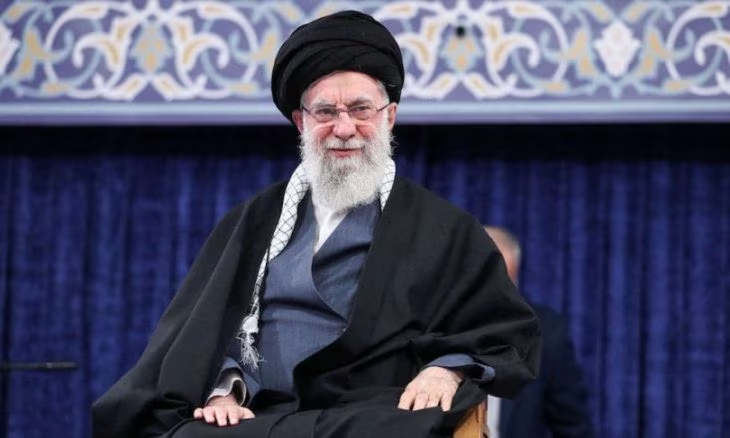







Iran's Supreme Leader, Ayatollah Ali Khamenei, finds himself today at the most dangerous crossroads since he assumed power some 36 years ago, as escalating internal pressures coincide with existential external threats. This crisis comes at a time when Iranian diplomacy is racing against time to avert potential airstrikes hinted at by the United States, putting the stability of the regime at stake.
Internally, Iran is suffering from widespread popular discontent due to the deteriorating economic conditions resulting from strict international sanctions. This anger was manifested in last January's protests, which the authorities met with an iron fist, leading to thousands of casualties in confrontations described as the bloodiest in decades.
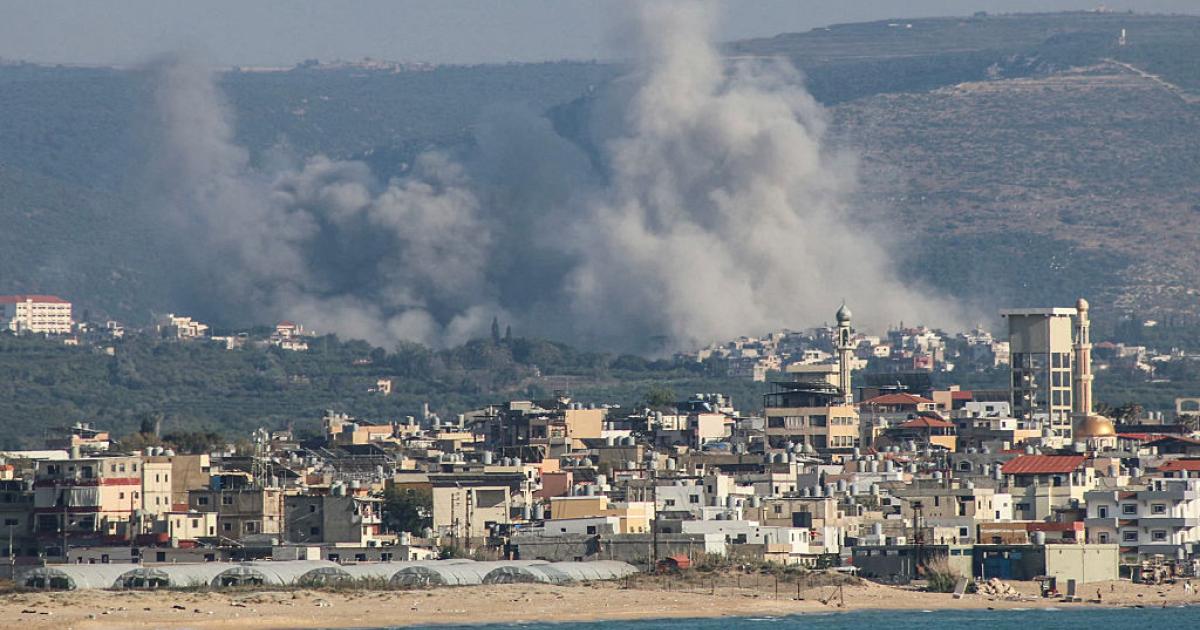
Regionally, Tehran's policy appears to be in an unprecedented decline after decades of expansion, as intensive Israeli strikes have significantly weakened Hezbollah's capabilities in Lebanon. The fall of Bashar al-Assad's regime in Syria also dealt a devastating blow to the Iranian sphere of influence, depriving Tehran of a vital strategic bridge in the region.
The Iranian leadership now faces firm American demands to abandon its ballistic missile program, which Tehran considers its last strategic bargaining chip and its only remaining deterrent. Despite showing flexibility regarding the nuclear file, Khamenei still refuses to compromise on missile capabilities, considering them a red line that cannot be crossed.
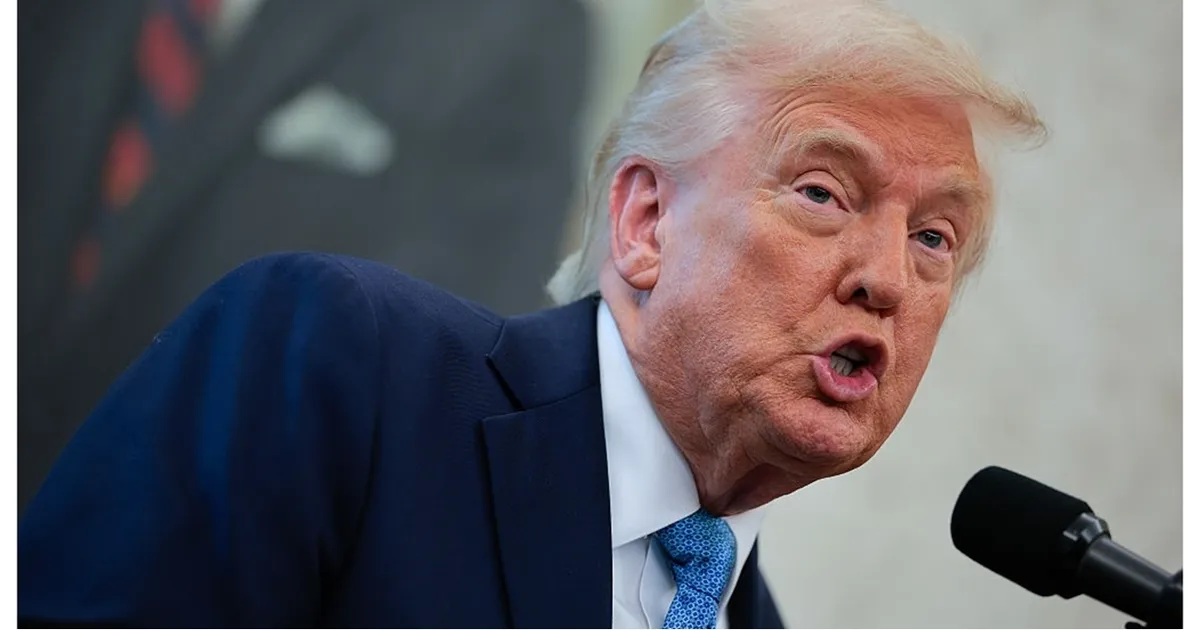
US President Donald Trump recently stated that he is seriously considering limited military strikes to pressure Tehran into a comprehensive agreement. This show of force puts Khamenei, 86, before difficult choices ranging from direct military confrontation to making painful concessions.
Khamenei's current calculations are based on a long history of hostility towards the West and a personal experience shaped during the Islamic Revolution and the war with Iraq. The Supreme Leader holds absolute authority in making sovereign decisions, as all military and civilian state institutions are under his direct supervision, making the country's fate tied to his personal decision.
Despite his known ideological rigidity, Khamenei has shown in previous instances an ability for tactical retreat when he feels a real threat to the regime's survival. The concept of 'heroic flexibility' stands out as a legitimate tool he used in 2013 to justify entering into nuclear deal negotiations, which may be repeated in the current crisis.
Observers believe that tightening security control through the Revolutionary Guard and Basij forces remains the primary pillar Khamenei relies on to confront unrest. These forces have proven their absolute loyalty to the Supreme Leader in suppressing successive waves of protests, whether in 2009 or during the Mahsa Amini events in 2022.
In addition to military power, Khamenei relies on a massive financial empire known as (Setad), a semi-governmental institution that controls vast sectors of the Iranian economy. This institution, estimated to be worth tens of billions, provides the necessary resources to fund security operations and support the Revolutionary Guard away from parliamentary oversight.
Reports indicate that the assassination attempt on Khamenei in the early 1980s left a deep impact on his personality, as he tends towards excessive secrecy and caution against betrayal. This constant anxiety is reflected in the structure of governance in Iran, where powers are distributed in a way that ensures no strong rival to his authority emerges.
Amid increasing American military buildup in the region, international circles are awaiting Tehran's next move, and whether it will lean towards de-escalation or escalation. The Supreme Leader's political history indicates that he prefers to prolong negotiations to gain time, but the margin available to him now seems narrower than ever before.
Khamenei transformed from a president described as weak at the beginning of his tenure to one of the most powerful leaders in modern Iranian history, thanks to political cunning and the establishment of a loyal security apparatus. However, the current challenges, represented by the collapse of regional allies and direct American threats, place him before an unprecedented test since 1989.
Informed sources indicate that Tehran's envoys are making strenuous efforts through back channels to avoid direct military confrontation with Washington. However, adherence to the missile program may thwart these efforts, especially with the new US administration's insistence on fundamentally changing Iranian behavior.
Ultimately, preserving the continuity of the Islamic Republic will remain the supreme goal that may push Khamenei to drink the 'cup of poison' once again, similar to what his predecessor Khomeini did when ending the war with Iraq. The coming days will reveal whether 'heroic flexibility' will save the regime again or if confrontation has become inevitable.
Preserving the Islamic Republic at any cost is the principle that drives Khamenei's decisions, even if it requires exercising tactical 'heroic flexibility'.
Share your opinion
Khamenei Faces the Toughest Test: US Pressure and Collapse of Regional Influence