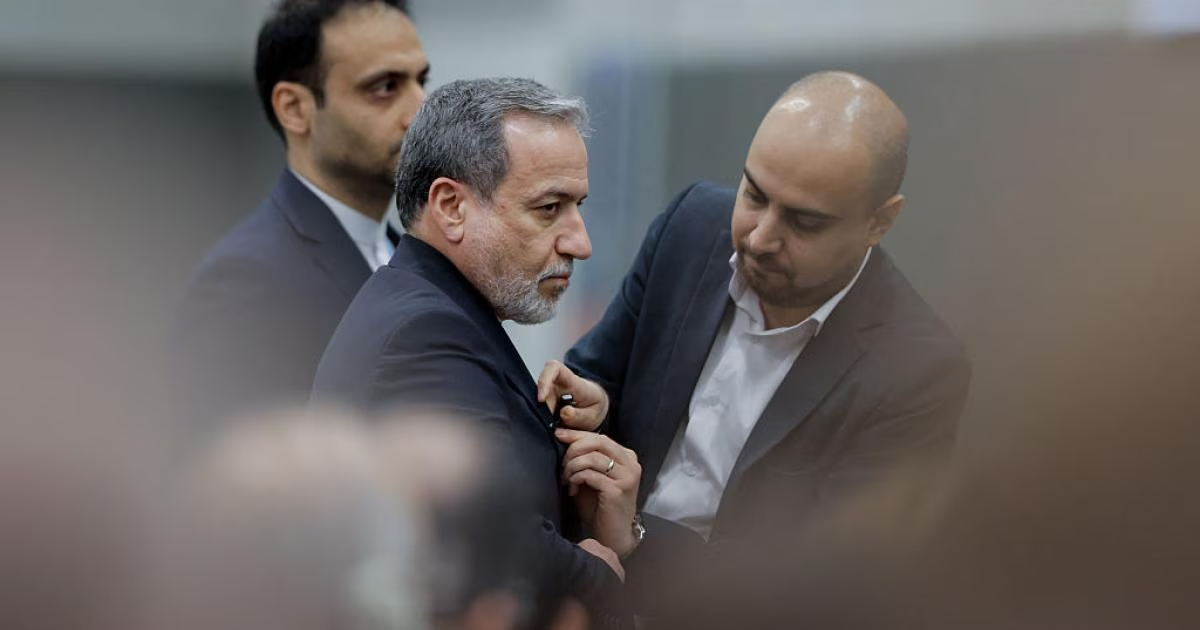







Iranian Foreign Minister, Abbas Araghchi, revealed new details regarding the course of nuclear negotiations with the United States, confirming that Washington did not ask Tehran to completely abandon uranium enrichment. Araghchi clarified that the talks hosted by the Swiss city of Geneva last Tuesday, mediated by Oman, did not address proposals to suspend enrichment or reduce it to zero.
In a media interview broadcast on Friday, the head of Iranian diplomacy indicated that his country had not made any promises to suspend its current nuclear activities, nor had the American side put forward the demand for 'zero enrichment' as a precondition. Araghchi described this stance as a remarkable and important development, especially given previous statements from the US administration that called for a complete ban on enrichment operations.
The Iranian minister stressed Tehran's conviction that there is no military solution that can end or radically address the Iranian nuclear file. He considered that resorting to force would only complicate the situation, emphasizing that the diplomatic path remains the only option capable of ensuring the peaceful nature of the nuclear program and addressing the concerns of international parties.
In the context of his discussion about the relationship with Washington, Araghchi clarified that Iran does not harbor hostility towards the American people, but rather its primary problem lies in the governmental policies characterized by hostility towards Tehran. He added that changing the form of relations between the two countries depends on the cessation of hostile actions and confrontational policies pursued by the United States against the Iranian state and its interests.
Araghchi affirmed his country's adherence to diplomatic solutions as a strategic option, indicating that constructive dialogue is the guarantor of building mutual trust between the disputing parties. He noted that Tehran is ready to take 'confidence-building measures' at both technical and political levels, provided that these are met with concrete measures related to lifting the economic sanctions imposed on it.
Regarding the next steps, the Iranian minister expected a draft counter-proposal to be submitted to US envoys Steve Witkoff and Jared Kushner within two or three days. He expressed optimism about the possibility of reaching a final agreement in a very short period, noting that a new round of talks might be held within a week to discuss technical details.
These statements come at a time when Tehran considers the right to uranium enrichment a red line that cannot be crossed in any future negotiations. US President Donald Trump had on several occasions called for a comprehensive ban on enrichment, which Iran completely rejects as a violation of its sovereignty and international rights.
It is worth noting that the nuclear agreement signed in 2015 set an enrichment ceiling at 3.67%, but this agreement has practically become null and void after the US withdrawal from it. Since 2018, Iran has gradually disengaged from its commitments, raising enrichment levels to 60% according to reports from the International Atomic Energy Agency.
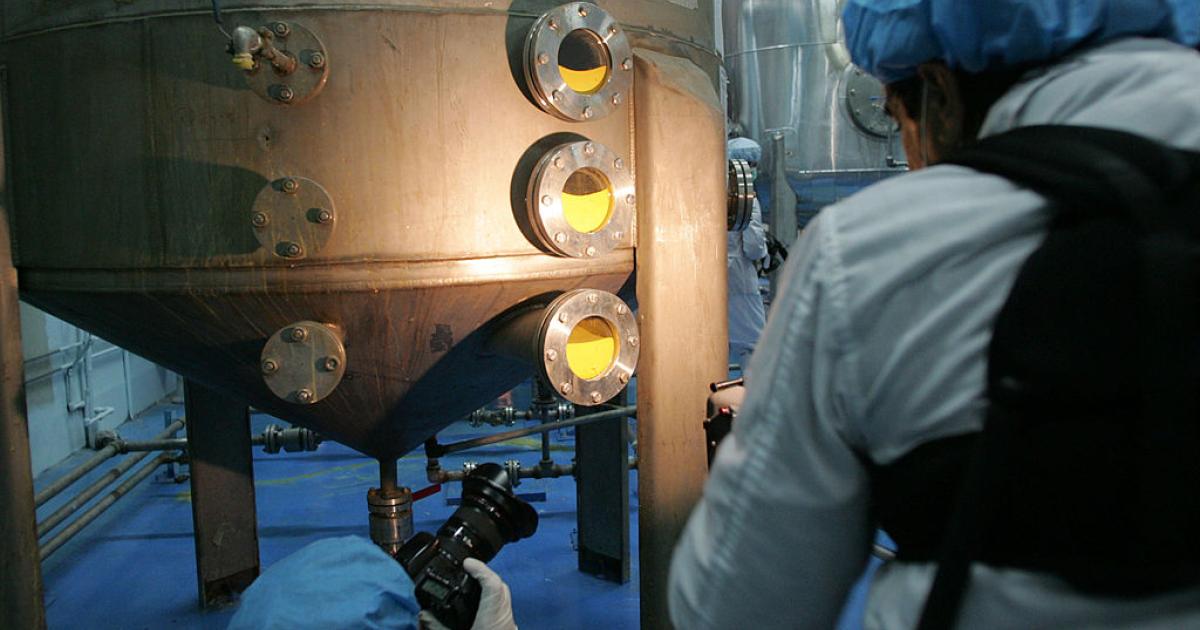
Experts explain that uranium enriched to low levels is used for peaceful purposes such as electricity generation and the production of medical isotopes for treating intractable diseases like cancer. However, high levels of enrichment raise international concerns about their potential use for military purposes, as manufacturing a nuclear weapon requires reaching an enrichment level of approximately 90%.
For its part, Iran continues to deny any intention to possess nuclear weapons, emphasizing that its program is for civilian purposes only and for developing the national energy sector. Tehran bases its position on the Nuclear Non-Proliferation Treaty, which grants signatory states the right to possess peaceful nuclear technology under international supervision.
In contrast, Western powers and Israel continue to express deep skepticism about Iranian intentions, accusing Tehran of actively seeking to acquire the atomic bomb. Israel, described by experts as the only nuclear power in the region, considers the Iranian nuclear program an existential threat to its national security.
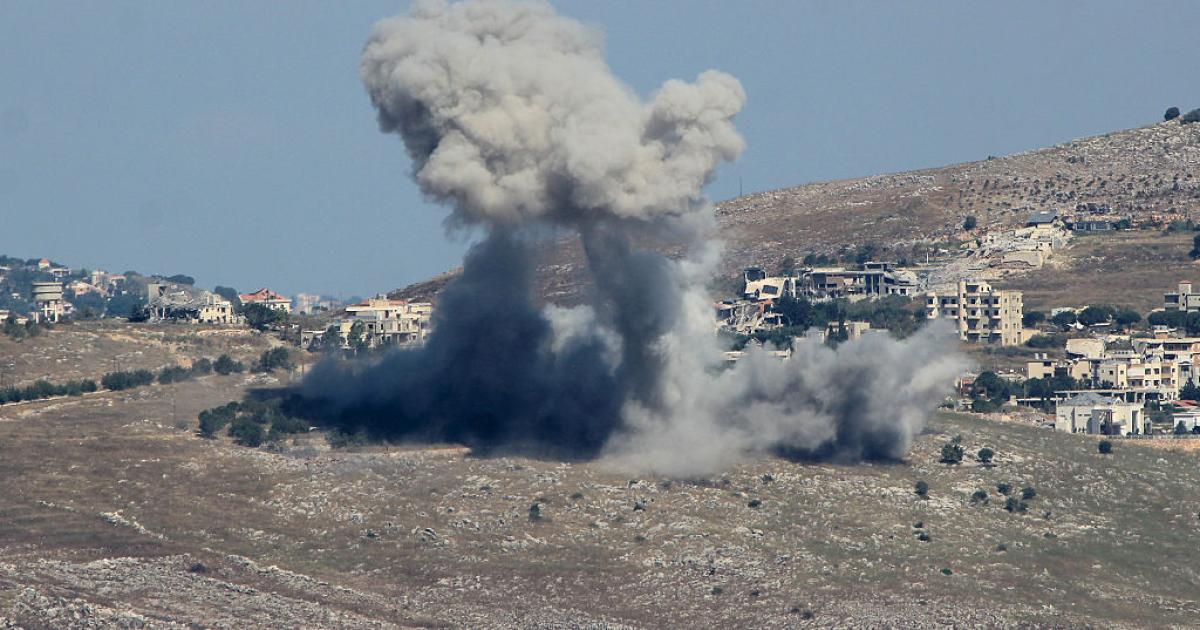
Tensions peaked in June 2025, when the United States carried out airstrikes targeting key nuclear facilities in Fordow, Natanz, and Isfahan. These strikes followed a 12-day military confrontation, sparked by a surprise attack launched by the Israeli occupation in the region.
Despite assurances from the US administration that these strikes inflicted severe damage on Iranian nuclear infrastructure, technical reports indicate ambiguity regarding the actual extent of the destruction. It appears that Tehran managed to absorb the shock and proceed with strengthening its negotiating and field capabilities despite intense military pressure.
These current diplomatic moves coincide with extensive American military reinforcements in the Gulf region, including the deployment of naval vessels and advanced air defense systems. This buildup, according to informed sources, aims to exert maximum pressure on Tehran to push it towards making substantial concessions on the nuclear file and regional influence.
There is no military solution to the Iranian nuclear program, and dialogue is the only way to ensure its peaceful framework.
Share your opinion
Araghchi: Washington did not demand 'zero enrichment' and diplomatic solution is near