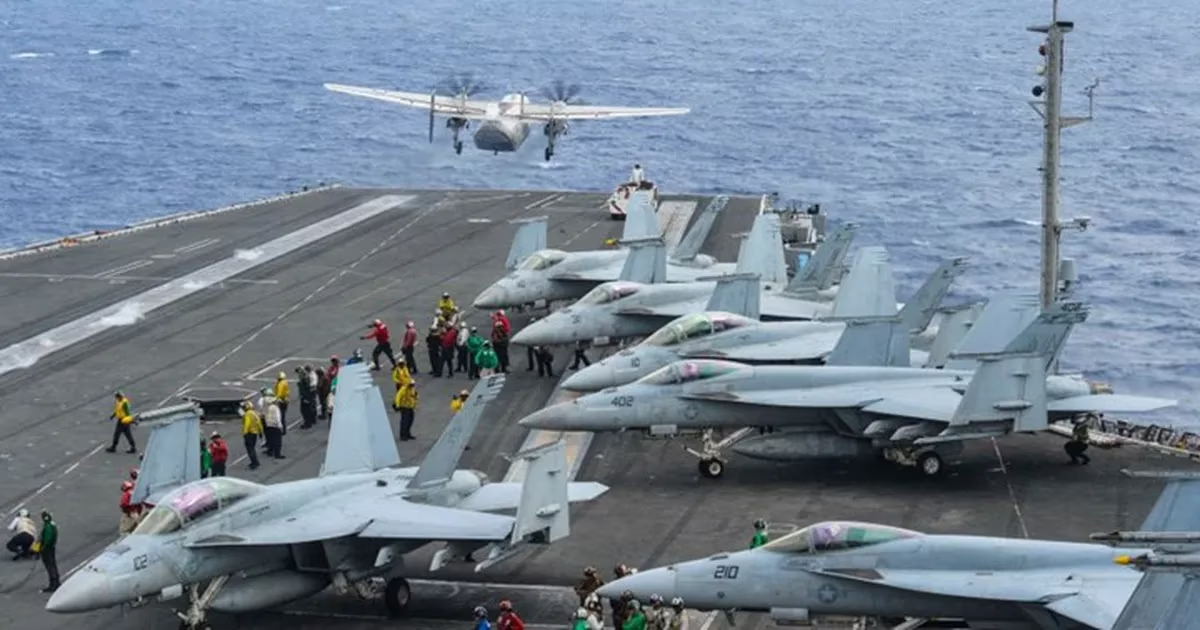







Hebrew press reports issued today, Wednesday, stated that estimates from the military establishment of the occupation indicate a significant escalation in the likelihood of the United States launching a military attack on Iran. These estimates come in the wake of the latest round of talks between Washington and Tehran, which did not yield concrete results in narrowing existing gaps.
Sources indicated that Israeli assessments contradict announced Iranian statements that attempt to show progress in the diplomatic track. The occupation's security agencies believe that the differences remain fundamental and hinder the achievement of any real understandings between the two sides at present.
The demand to abandon uranium enrichment on Iranian soil stands out as a major obstacle in the negotiation process, as Washington insists on this condition to ensure that Tehran does not possess a nuclear weapon. In contrast, the US administration faces extreme difficulty in extracting Iranian approval for this sovereign and sensitive demand for the Iranian regime.
In light of this political stalemate, security circles in Tel Aviv expect US President Donald Trump to resort to activating the military option in a shorter timeframe than previously estimated. It appears that the conviction is growing among both the American and Israeli sides that the diplomatic path has exhausted its purposes without achieving a real breakthrough.
Military estimates do not rule out the possibility of the occupation army being directly and effectively involved in any military confrontation that may erupt between Washington and Tehran. It is emphasized that coordination between the two sides has reached advanced levels, especially in the areas of intelligence and vital information and communication technology.
Joint cooperation also includes strengthening air defense systems to counter any potential reactions that may result from the presumed American attack. Joint operations rooms are working to update defensive and offensive plans to ensure maximum readiness for any escalatory scenario in the region.
For its part, the occupation army affirmed that it has not issued any exceptional instructions to change the nature of troop deployment in the home front so far. Military sources clarified that the Home Front Command has not asked vital institutions to take measures beyond the high alert level that has been in effect for weeks.
The occupation's security establishment seeks to manage the situation cautiously, trying to find a delicate balance between the need to warn the public of security risks and maintaining the stability of economic activity. This approach aims to reduce collateral damage that may affect the daily routine of settlers in the event of deteriorating conditions.
Informed sources reported that the US administration is now fully aware of Iranian attempts to buy time and engage in political maneuvering without making substantive concessions. Washington emphasizes in its implicit messages that it will not compromise on the basic demands related to the Iranian nuclear program under any circumstances.
Regarding civilian readiness, hospitals, major infrastructure companies, and energy sectors have not received any orders to move to a state of maximum emergency yet. This relative calm on the home front indicates that the zero hour has not yet arrived, despite increasing field and political indicators.
International circles are closely monitoring military movements in the region, amid fears of a widespread regional conflict. All eyes remain on the White House and the decisions Trump may make in the coming days to resolve the Iranian nuclear issue.
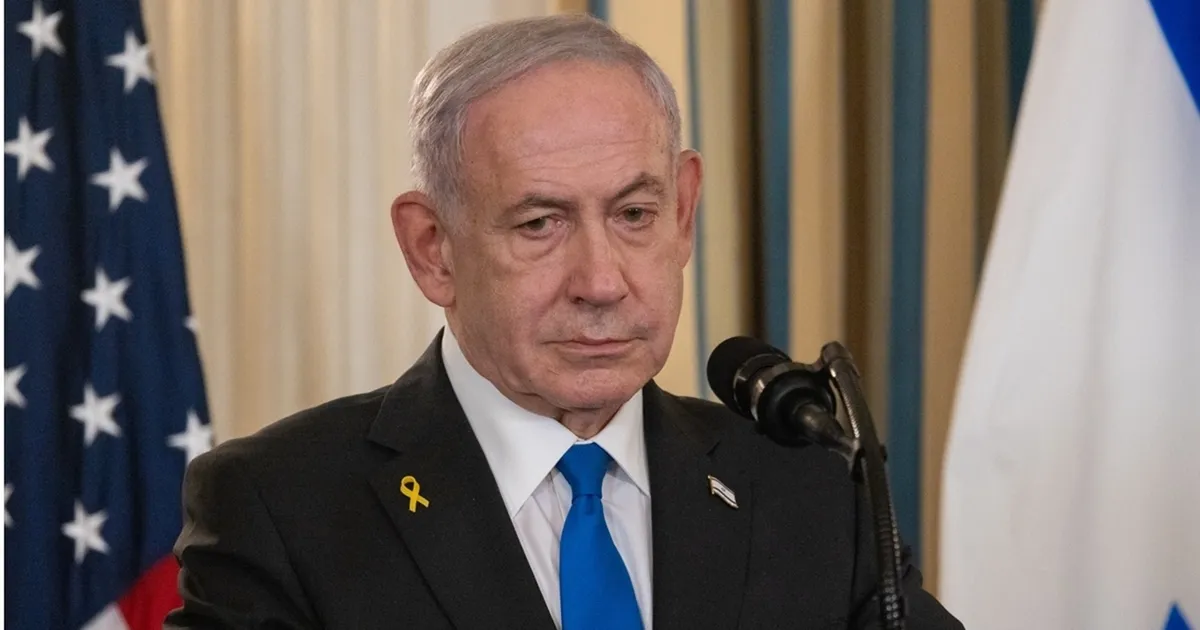
Israel expects US President Donald Trump to resort to the military option in a shorter period than expected in recent days.



Share your opinion
Israeli estimates suggest an impending US military action against Iran