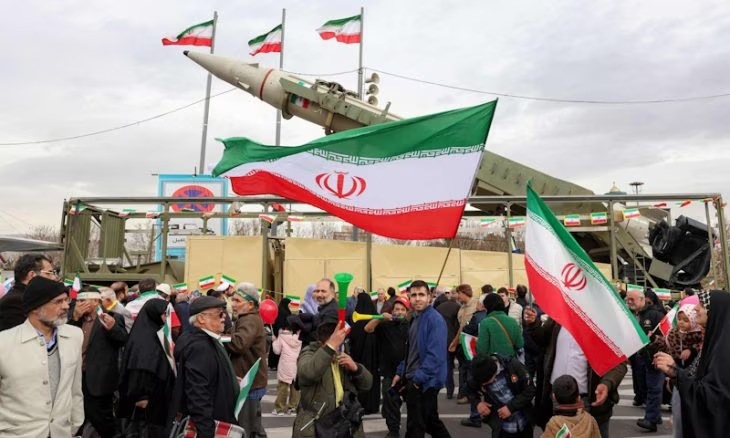







Tensions in the Middle East have escalated rapidly following the second round of negotiations between the United States and Iran in Geneva, with the White House issuing statements that have disrupted the political landscape. The American administration affirmed that there are strong arguments justifying a military strike against Tehran, putting the diplomatic understandings brokered by Oman at risk.
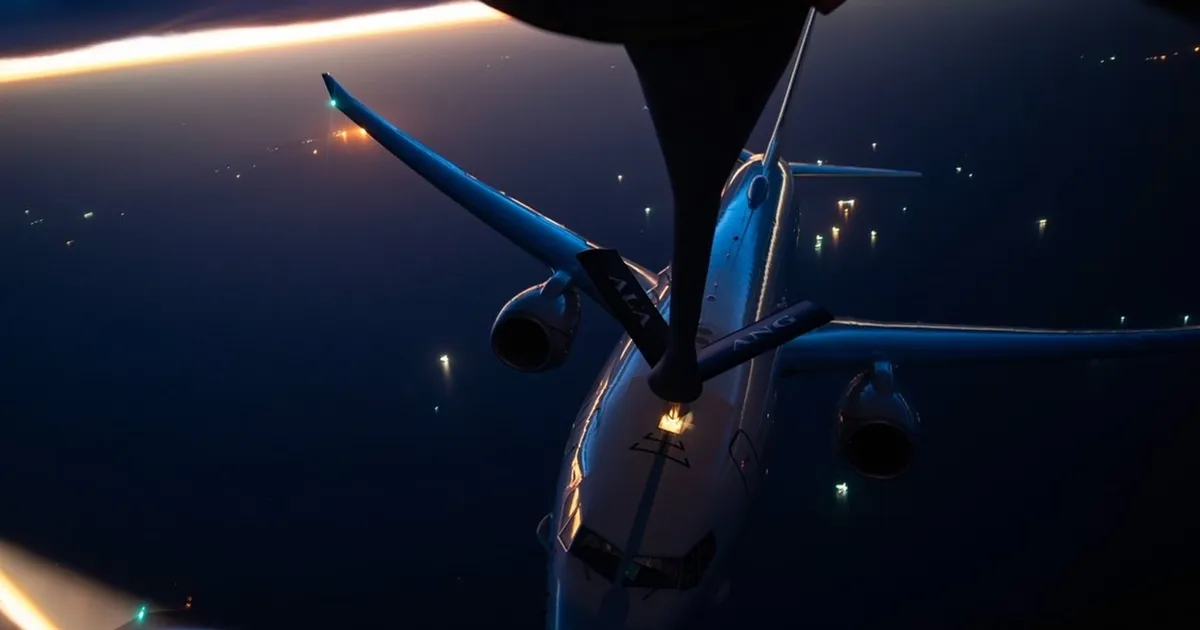
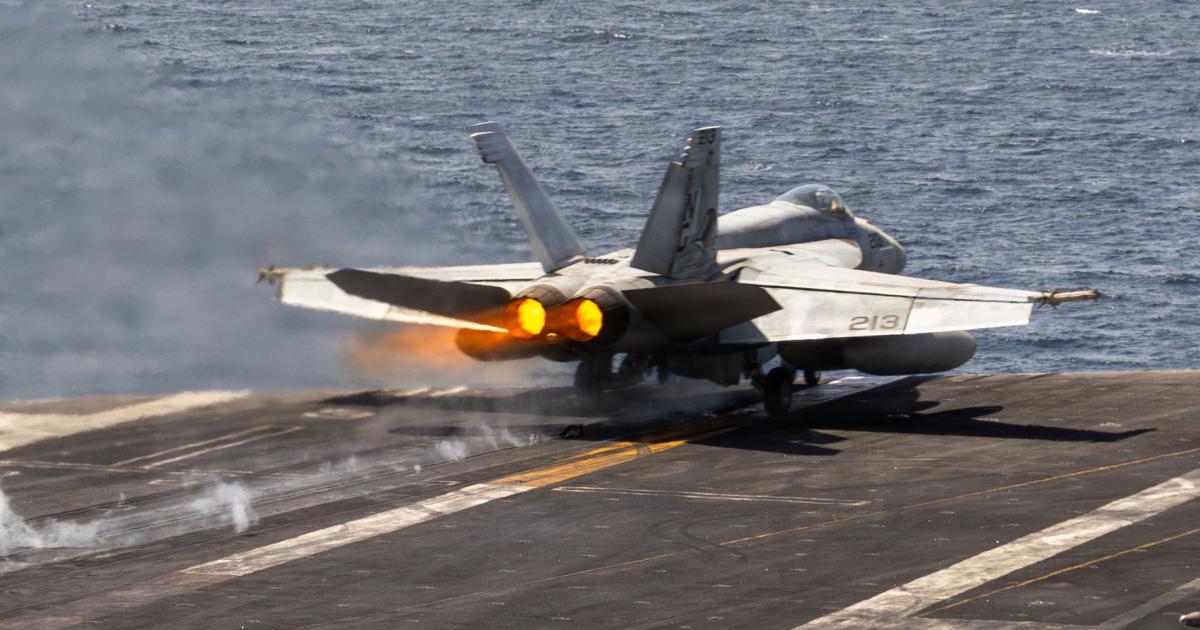
These political statements coincided with field reports revealing an unprecedented American military buildup in the region, including the deployment of two aircraft carriers and hundreds of fighter jets. Media sources reported that Washington reinforced its logistical capabilities with over 150 cargo planes, a move interpreted by observers as preparation for a large-scale military operation.
On the Israeli side, security and military agencies raised their alert levels to the maximum in preparation for a potential confrontation that could erupt within a few days. Reports indicate that Tel Aviv is pushing for a comprehensive operation that goes beyond limited strikes, aiming to directly and radically target Iran's nuclear and missile programs.
'Axios' believes that the long-standing nuclear dispute is the primary driver of this escalation, especially with Washington's insistence on preventing Tehran from acquiring nuclear weapons. Political memory recalls last June's events when American and Israeli forces bombed underground Iranian facilities immediately after the negotiation deadline expired.
The current American ambition goes beyond merely curbing the nuclear program; there is a clear desire within the Trump administration and its allies to change the structural behavior of the Iranian regime. Analysts suggest that any upcoming military action will not be limited to technical targets but may extend to vital command and control centers.
The human rights file and internal protests in Iran represent a second reason for the escalation, as Trump was close to making a decision for war last month. Although the decision was postponed then for logistical reasons, the current reinforcements in the Gulf indicate that the military obstacle has already been overcome.
The 'Chekhov's gun' principle emerges as a strategic analysis of current American behavior, where the presence of such a massive military buildup cannot be explained without a genuine intention to use it. Retreating at this stage is inconsistent with current foreign policy, especially in the absence of any real progress in the diplomatic track.
The Israeli government is exerting intense pressure on Washington to ensure that the next strike is 'decisive' and comprehensive, not just a warning message. Prime Minister Benjamin Netanyahu is coordinating closely with the White House to impose simultaneous economic and military sanctions aimed at weakening the Iranian regime from within and without.
Western intelligence circles believe that the Iranian regime is going through an unprecedented phase of weakness due to internal crises and successive external blows. Officials believe that Iran's response to any attack will be limited for now due to the exhaustion of its regional proxies in recent conflicts.
The oil factor plays a crucial role in the timing of the strike, as global markets are experiencing relative stability and abundant supplies, reducing the risk of price spikes. Washington is betting that any disruption in Iranian exports will not lead to a long-term global energy crisis under current conditions.
On the diplomatic front, sources reported that Iran offered a proposal to suspend uranium enrichment in an attempt to avert the imminent military option. However, this offer still falls short of American demands, which stipulate strict and comprehensive oversight of all Iranian nuclear activities.
Reports indicate that Tehran may be betting on gaining time until the US congressional midterm elections next November. But diplomatic sources warned that this gamble might be wrong, as it appears that the decision for military action has already been made in the White House corridors.
Any upcoming confrontation will not resemble previous limited operations but will be closer to a comprehensive military campaign with profound geopolitical repercussions for the Middle East. The results of this confrontation will shape the regional balance for years to come, especially with the fracturing of Iran's allies' fronts in the region.
In conclusion, the situation remains open to all possibilities, with military escalation being the more likely outcome in the absence of 'painful' Iranian concessions. Global capitals are cautiously awaiting what the coming days will bring, amid warnings that the region is on the brink of a volcano that could erupt at any moment.
Two aircraft carriers and hundreds of planes are usually not moved to locations unless there is a real intention to use them.

Share your opinion
6 Indicators Putting Washington and Tehran on the Brink of All-Out Military Confrontation