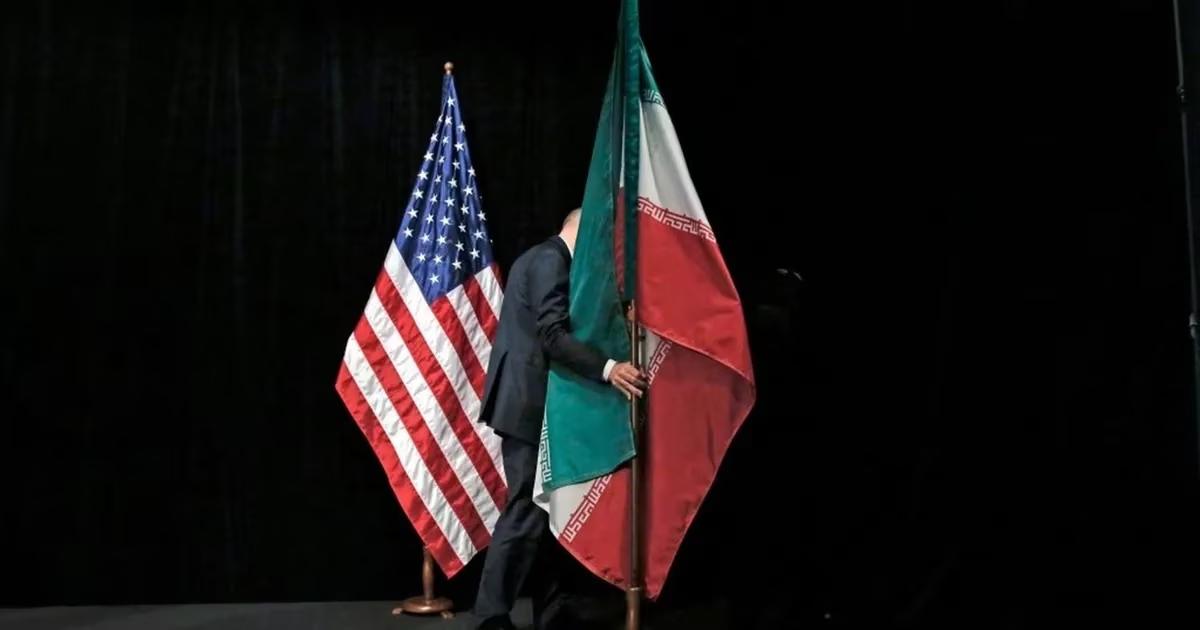







Hebrew media reports indicate that the current situation between the United States and Iran is characterized by escalating tension despite ongoing diplomatic channels, with Ma'ariv newspaper warning against excessive optimism regarding the outcomes of the Geneva talks. Sources pointed out that military history proves that wars often erupt as a result of escalating mutual threats, even in the presence of announced negotiations between conflicting parties.
Israeli interpretation of the situation suggests that Tehran is pursuing a strategy of buying time and demonstrating political cunning, exploiting negotiations to strengthen its symbolic and field cards. Hebrew circles believe that Iran's gamble primarily relies on testing the patience of the American administration and its ability to withstand the economic and political pressures resulting from the state of no peace and no war in the region.
In the context of field escalation, sources noted that the Iranian Revolutionary Guard deliberately sent strong messages during the negotiation rounds by conducting military maneuvers simulating the closure of the Strait of Hormuz. These moves aim to emphasize Tehran's ability to choke global shipping, as about a quarter of the world's oil supplies pass through this vital strait, representing a strategic vulnerability for Washington.
For his part, Iranian Supreme Leader Ali Khamenei threatened to target and sink aircraft carriers and American naval vessels recently deployed to Gulf waters, a move described by sources as an attempt to embarrass the American leadership. Tehran realizes that any military conflict in this sensitive region will lead to catastrophic economic repercussions feared by the White House, giving the Iranian negotiator more room for maneuver.
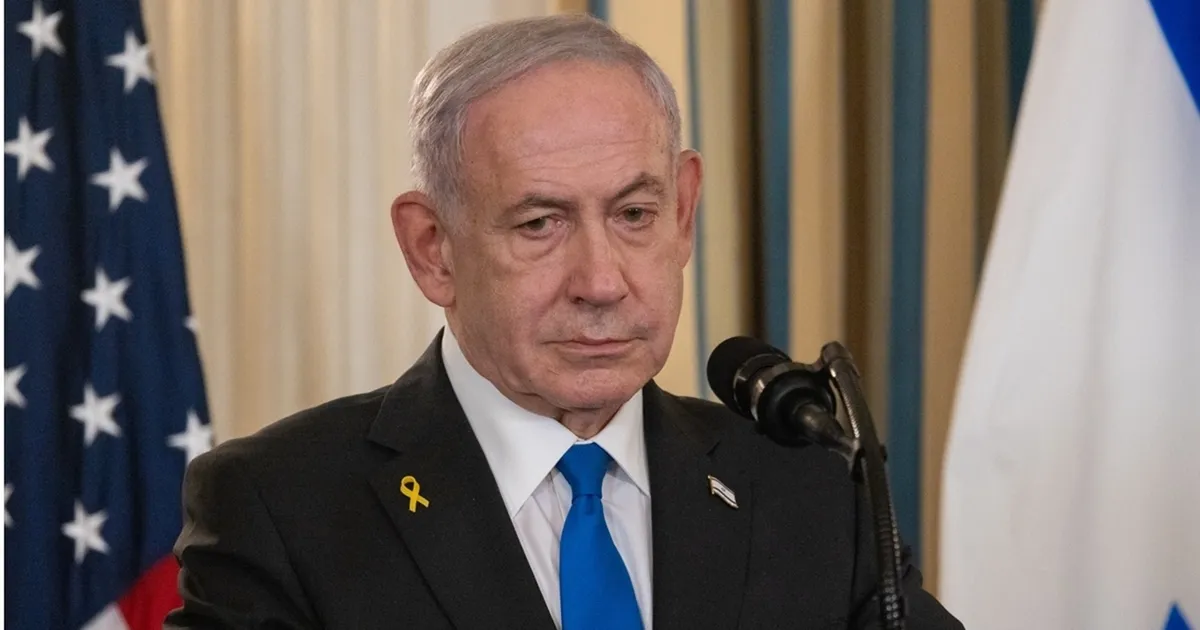
On the other hand, Israeli Prime Minister Benjamin Netanyahu, in cooperation with the Chief of Staff, announced raising the highest state of alert among defensive and offensive forces to confront any potential scenarios. This mobilization coincides with ongoing daily military operations launched by the occupation army in various areas of the West Bank and Lebanon, in an attempt to deter what it describes as imminent threats.
Occupation intelligence estimates indicate that Iran is actively seeking to incite Palestinians to open a new front of confrontation in the West Bank, exploiting the approaching holy month of Ramadan to escalate the situation. Based on these estimates, the occupation army intensified its field presence and deployed special units and the Commando Brigade in refugee camps and Palestinian cities to carry out widespread arrest campaigns.
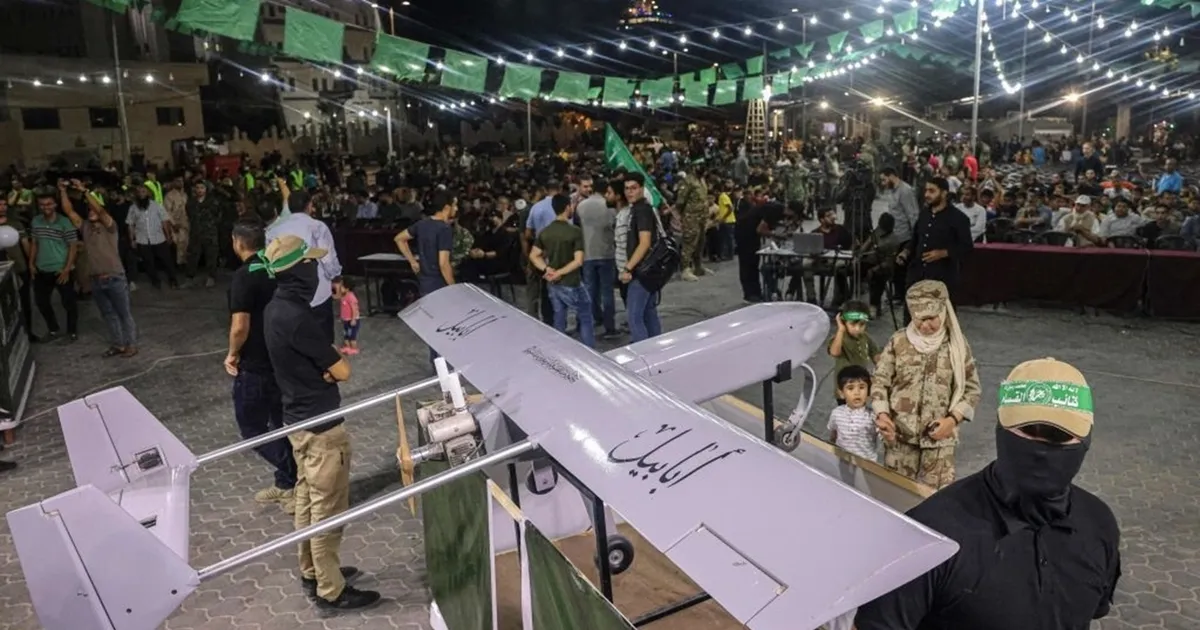
Reports concluded that Tehran possesses multiple options to activate 'proxies' in the region, including Hezbollah in Lebanon and resistance factions in the Gaza Strip and Syria, in the event of any direct attack. Occupation security agencies are closely monitoring these movements, considering that coordination between these fronts represents the biggest challenge that may face regional stability in the coming period.
Iranians are more capable of buying time and more cunning in negotiation, and the matter is related to when American patience runs out.



Share your opinion
Hebrew analyses warn of Tehran's cunning in Geneva negotiations and anticipate escalation in the West Bank