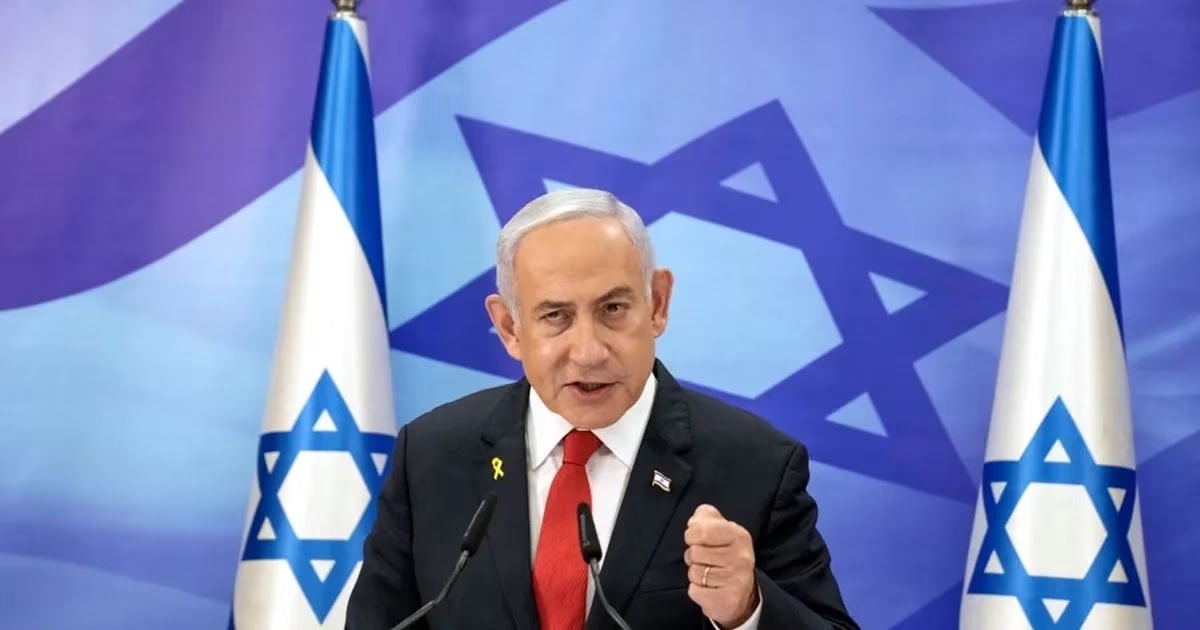







The occupying state has recently been facing a continuous political earthquake that is reshaping the rules of the international game and the global balance of power. In light of the Russian-Ukrainian war and the escalating tensions between Washington and Beijing, Israel finds itself in a dilemma, searching for a stable place on the map of the new powers currently taking shape.
Micha Avnimelech, a former official in the Israeli Ministry of Finance and a strategic expert, believes that Israel is suffering from a state of anxiety and humiliation as a result of the events of the past two years. He pointed out that the rise of extremist forces seeking to impose absolute control from the river to the sea hinders any real efforts to achieve regional and international stability.
Avnimelech explained that attempting to curb the right-wing religious currents within the Israeli government has become an arduous task fraught with serious challenges. He considered that the excessive use of force and disregard for the principles of international law have made Israel an undesirable party in international forums, deepening its political isolation.
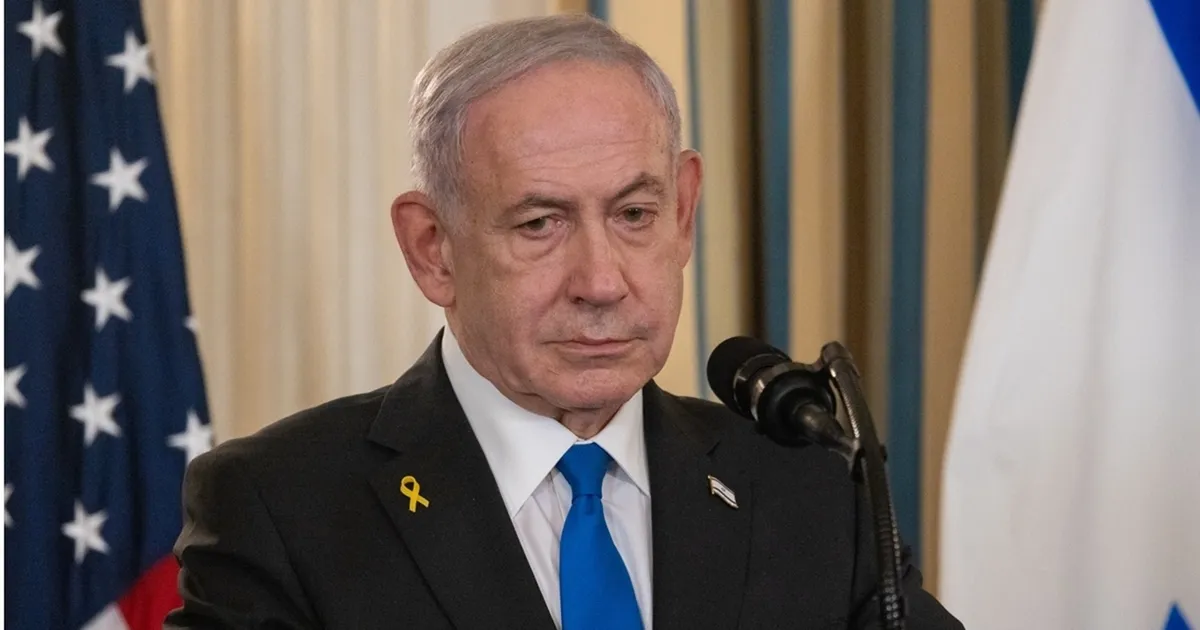
The strategic expert strongly criticized the approach taken by Prime Minister Benjamin Netanyahu, describing it as a dangerous dependence on the United States and President Donald Trump. He stressed that Trump primarily represents his personal and political interests, which may not necessarily align with the long-term strategic interests of the occupying state.
He also noted that Netanyahu's policy is limited to attempts to flatter and humble himself before Trump during his frequent visits, with almost complete neglect of building alliances with other international partners. He warned that building national strategies on one volatile and unpredictable person is a grave mistake for which Israel may pay a heavy price.
Avnimelech described Trump's presidency as potentially a fleeting event in history, while the damage Israelis have inflicted upon themselves will remain. He pointed out that the state acts based on narrow tactical considerations and fanatical messianic tendencies instead of rational thinking that seeks sustainable solutions.
After Israel was previously classified as a desirable partner for regional cooperation, the expert believes that today it alienates its potential partners with its hostile actions. Israelis are now viewed in the international arena as troublemakers and a source of instability, rather than contributors to building security and economic alliances.
The analysis touched upon Israeli behavior in the Gaza Strip and the West Bank, describing it as destructive and flagrantly violating international norms. He affirmed that this behavior, driven by extreme ideological motives, has led to an unprecedented internationalization of the conflict, weakening Israel's negotiating position.
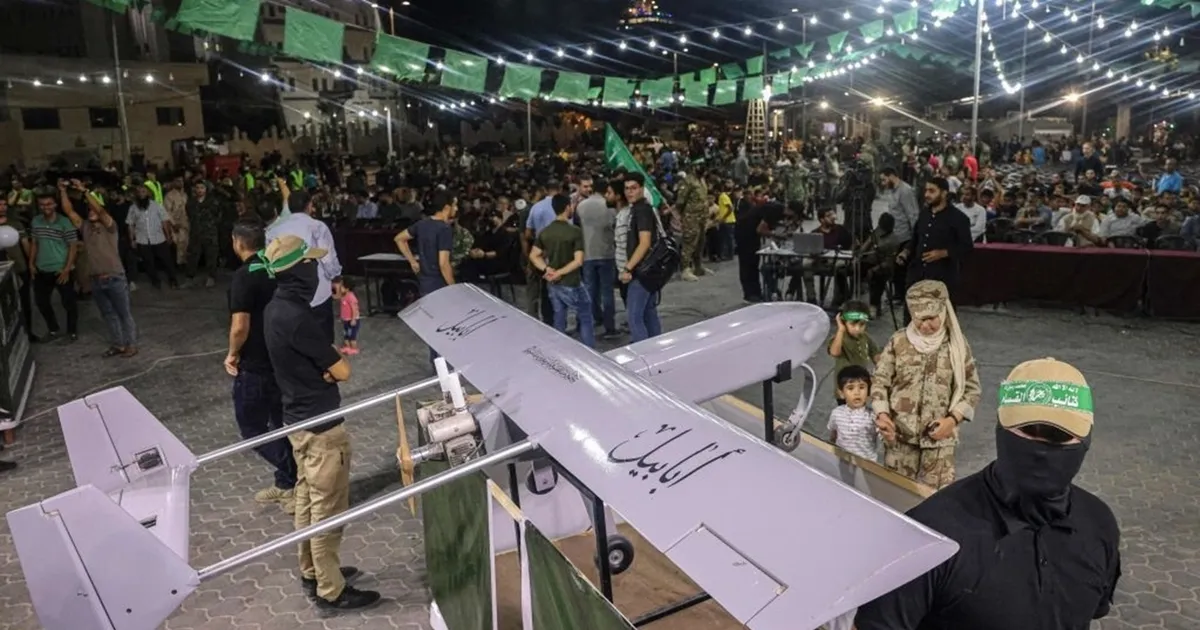
Avnimelech indicated that the strong entry of countries like Turkey and Qatar into the Gaza issue, and the continued control of the Hamas movement over the Strip, reflects a clear strategic loss for the occupation. Despite military achievements on the ground, Israel is still far from achieving any tangible political victory that can be cashed in internationally.
The expert warned that Netanyahu's political rhetoric attempts to conceal this strategic failure, but reality proves that international pressure is increasing to align only with Washington's interests. He considered that the absence of a political horizon and the continuous rejection of respectful dialogue with regional countries are pushing Israel towards a political abyss.
Avnimelech called for the immediate return to open dialogue with moderate elements in the Middle East and with the international community in general. He stressed that readiness to reach an agreement that includes the Palestinian Authority is the only way to save what remains of Israeli gains and prevent the collapse of its standing.
He emphasized that the military and technological power Israel possesses must be coupled with political maturity and a broad vision capable of making concessions and compromises. He called on serious political forces within the entity to develop a comprehensive and realistic plan that enables them to return to active participation in the international arena before it is too late.
This analysis comes at a time when major powers such as Russia, China, and Iran are seeking to strengthen their regional and international influence at the expense of traditional balances. Moreover, the ambitions of Gulf states to transform their wealth into effective political power may intersect with the interests of the occupation and further complicate its strategic position.
In conclusion, the expert warned that the continuation of the current approach will turn Israel into merely a 'dish on the world's tables' to be divided by major powers according to their interests. He stressed that survival requires a radical change in leadership and political orientations, and moving away from the messianic illusions that are leading the state towards political suicide.
Strategies are not built on one person and their interests, nor on a volatile and unpredictable president like Trump.



Share your opinion
Israeli warnings of 'international isolation' and absolute dependence on Trump threaten the future of the occupation