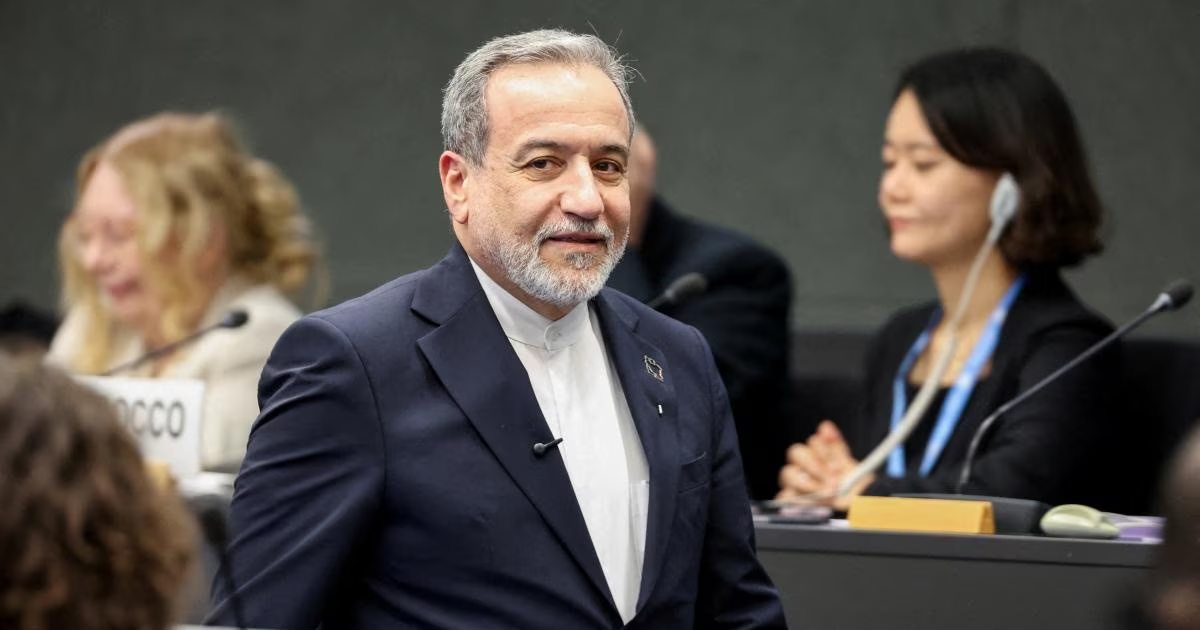







The second round of indirect negotiations between Iran and the United States concluded in the Swiss capital, Geneva, amidst indicators oscillating between diplomatic optimism and military warnings. Tehran affirmed that this round achieved positive breakthroughs compared to its predecessor, despite the continued regional tension overshadowing the political scene in the region.
Press sources quoted an American official confirming that the talks made tangible progress on several issues, while noting that the devil lies in the details that are still under discussion. The Iranian delegation is scheduled to return to Tehran for consultations, and will return within the next two weeks with practical proposals aimed at resolving the outstanding issues.
For his part, Iranian Foreign Minister Abbas Araghchi stated that both parties succeeded in formulating initial understandings on the major principles that will govern any future agreement. Araghchi clarified that work is currently underway to exchange drafts of the potential agreement document, warning that the path to a final solution is still long due to the complexity of the core issues.
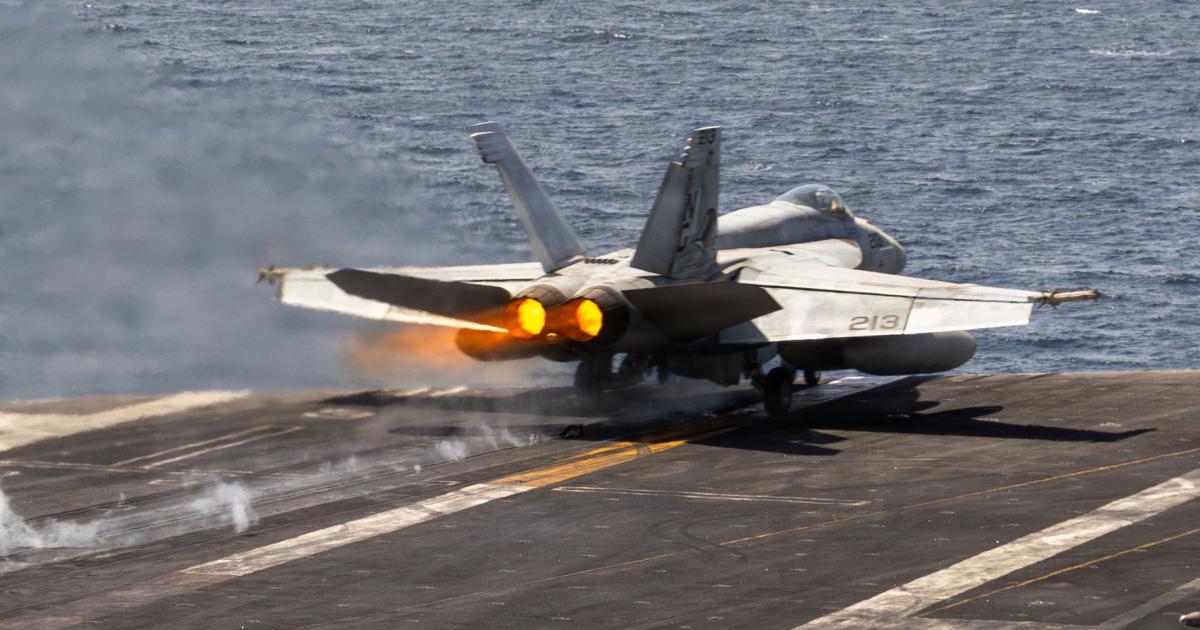
In contrast to these diplomatic atmospheres, an escalating rhetoric emerged from Iranian Supreme Leader Ali Khamenei, who threatened to deliver a devastating blow to US forces in the event of any military confrontation. Khamenei considered Iran's missile capabilities a red line that cannot be negotiated, emphasizing that Washington has no right to interfere with national deterrence programs.
International reports indicate that Tehran may be prepared to offer temporary technical concessions, including a halt to uranium enrichment for up to three years. These proposals also include the possibility of transferring part of the enriched uranium stockpile to a third party, likely Russia, in an attempt to build bridges of trust with the international community.
Observers believe that these Iranian steps aim to extract economic and commercial gains from Washington, in exchange for a temporary freeze of sensitive nuclear activities. However, these proposals remain contingent on the extent of the US administration's response to demands for lifting economic sanctions that have stifled the Iranian economy for years.
In an interpretation of the Iranian position, analysts described the Iranian Foreign Ministry's statements as a cautious welcome lacking real guarantees. Informed sources confirmed that the biggest obstacle lies in the historical lack of trust between the two sides, as Tehran demands legal guarantees that prevent any future US administration from withdrawing from the agreement.
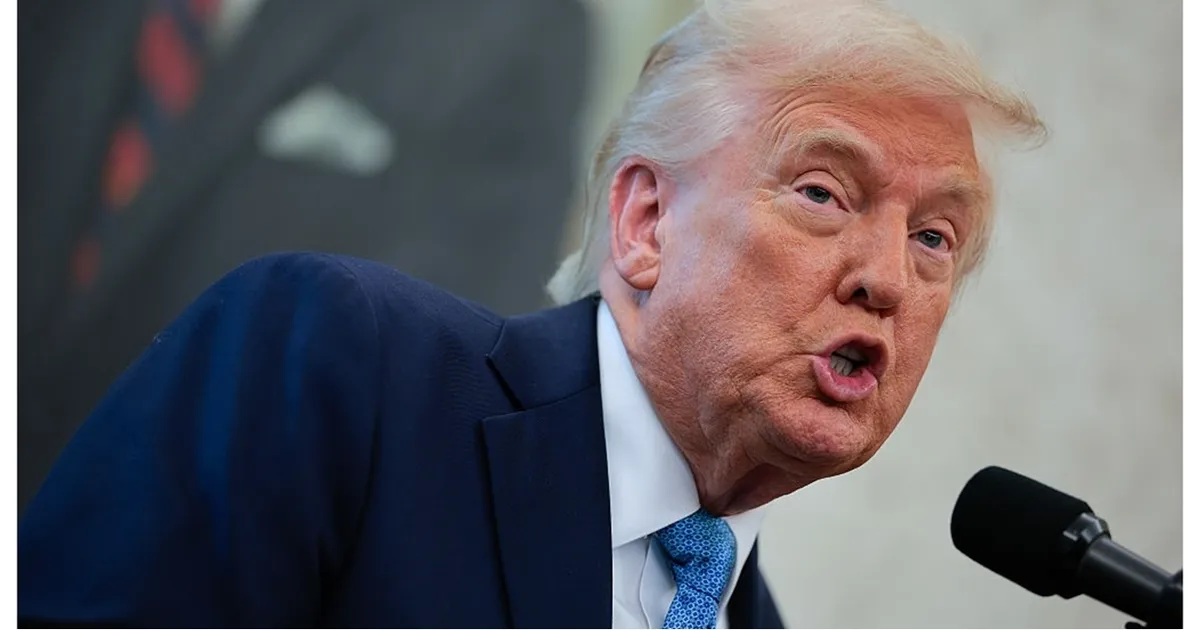
On the American side, it appears that President Donald Trump's administration is currently inclined to give diplomacy a chance instead of direct military action. Former US State Department advisors explained that Washington aims through these talks to reduce the likelihood of armed conflict in the Middle East through limited trade-offs.
Experts in international relations believe that what is happening in Geneva is more of a 'crisis management' process than a pursuit of a comprehensive and final agreement. The current Iranian goal is focused on creating an international narrative that portrays Tehran as a flexible party seeking peace, thereby removing pretexts from the hands of parties pushing for military escalation.
Academics believe that any partial agreement that may be reached, especially if limited to the nuclear file without addressing regional influence, will face strong opposition. Such understandings are expected to provoke the Israeli side, which views any easing of pressure on Iran as a direct threat to its national security.
The ballistic missile issue remains a major stumbling block in the negotiations, as Washington insists on including it in any comprehensive deal, while Tehran considers it an integral part of its sovereignty. This fundamental divergence in views makes it difficult to predict the success of future rounds in achieving a real breakthrough that ends the decades-long crisis.
The political flexibility shown by American officials behind closed doors has not yet translated into practical steps on the ground, especially regarding the sanctions file. Political circles are awaiting the outcome of the meeting in the next two weeks, where the new Iranian proposals will serve as a real test of the parties' seriousness in reaching a settlement.
In conclusion, the Geneva negotiations remain an important station in the path of the Iranian-American conflict, but they remain fraught with risks and complexities. While diplomacy seeks a way out, the language of military threat remains present in the background, making regional stability dependent on difficult-to-achieve understandings between the two powers.
The talks witnessed positive developments and understandings were reached on key principles, but this does not mean that a final agreement is imminent.


Share your opinion
Geneva Nuclear Negotiations: Initial Understandings on Principles Amidst Mutual Threats