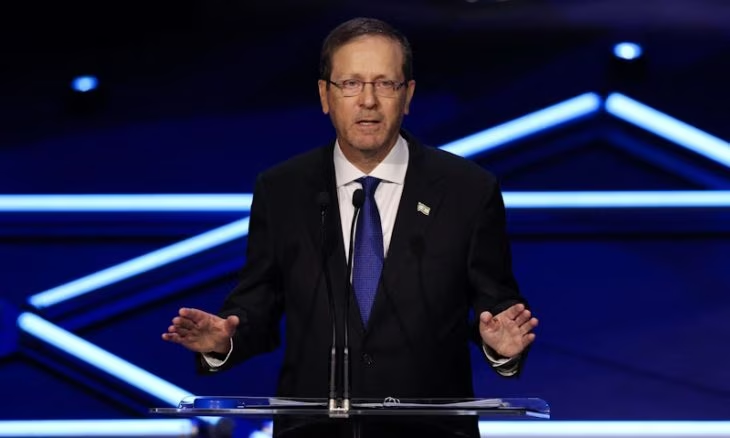







The intensity of political tensions within Israel escalated following the public attack launched by US President-elect Donald Trump on Israeli President Isaac Herzog. Circles close to the presidency directly pointed fingers at Prime Minister Benjamin Netanyahu, considering him the primary mover behind these external pressures aimed at securing a legal pardon in the corruption cases he faces.
Media sources reported that Herzog's office is in a state of shock due to Trump's statements, in which he described the Israeli President's stance as 'shameful'. Questions are currently circulating about the nature of the understandings between Netanyahu and Trump, and whether the latter received political promises in exchange for exerting this public pressure on the Israeli presidency.
Press reports stated that Herzog is currently awaiting official and direct clarifications from Netanyahu regarding his role in 'heating up' and inciting Trump. Those close to the President believe that the Prime Minister's silence or involvement in this incitement represents a stab at the sovereignty of the Hebrew state and the independence of its judicial and political decisions in the face of external powers.
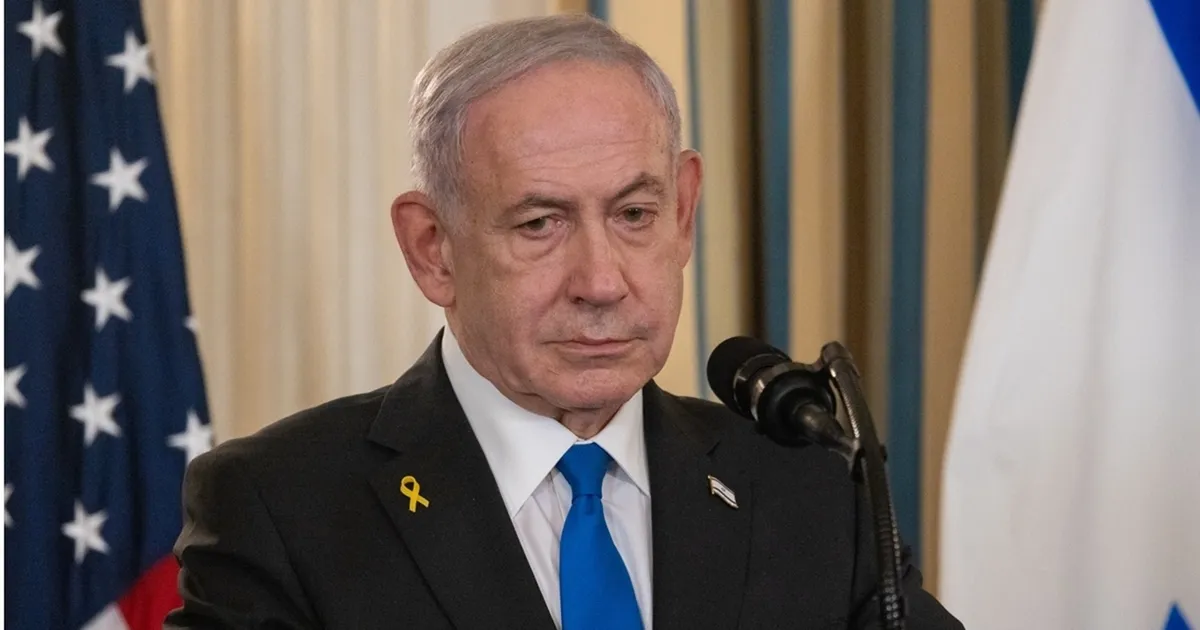
In contrast, the Prime Minister's office quickly denied any connection to Trump's statements, emphasizing that the government does not interfere in pardon decisions, which fall within the President's prerogatives. However, this denial did not calm the opposition and political entities that saw a suspicious harmony between the timing of the American attack and Netanyahu's personal and legal interests.
Transportation Minister Miri Regev, close to Netanyahu, entered the fray by attacking Herzog in what was described as harsh language, stating that the President should be ashamed of delaying the pardon. Regev said that the circumstances the country went through after October 7 necessitated ending Netanyahu's legal cases to ensure political stability.
For his part, former Defense Minister Avigdor Lieberman criticized American interference in internal affairs, warning against sliding into complete dependence on Washington. Lieberman recalled the stance of former Prime Minister Menachem Begin, who firmly rejected any American dictates, emphasizing that the dignity of the presidency is a matter concerning every Israeli citizen.
On the analytical front, political observers warned that Herzog's submission to these pressures would turn Israel into something akin to a 'banana republic' whose decisions are managed from the White House. Analysts pointed out that undermining the prestige of the presidential office weakens state institutions and makes them hostage to external and internal political blackmail alike.
Sources explained that the current crisis revealed the depth of the rift between the political and presidential levels, where trust has been completely lost between the two parties. Observers believe that Netanyahu is seeking to exploit his close relationship with Trump to overcome legal obstacles that he failed to resolve through local legislative and judicial channels.
In a related context, Hebrew media sarcastically wondered whether Herzog would find himself forced to respond to Trump's demands to avoid further media and political attacks. These outlets considered that the current battle is not just a dispute over a judicial pardon, but a battle over the independence of Israeli decision-making in the face of the incoming American administration.
The reports concluded by noting that the pardon process may not be legally affected by Trump's statements, but it has put Herzog in an embarrassing position before public opinion. If he grants the pardon, he will appear to have succumbed to threats, and if he rejects it, he will face an early clash with the new American administration, on which Netanyahu is heavily relying.
If it turns out that Netanyahu is behind Trump's statements and that he incited him, this represents a serious crossing of red lines.



Share your opinion
Accusations against Netanyahu of inciting Trump against Herzog: A "sovereignty" crisis engulfs Israeli internal affairs