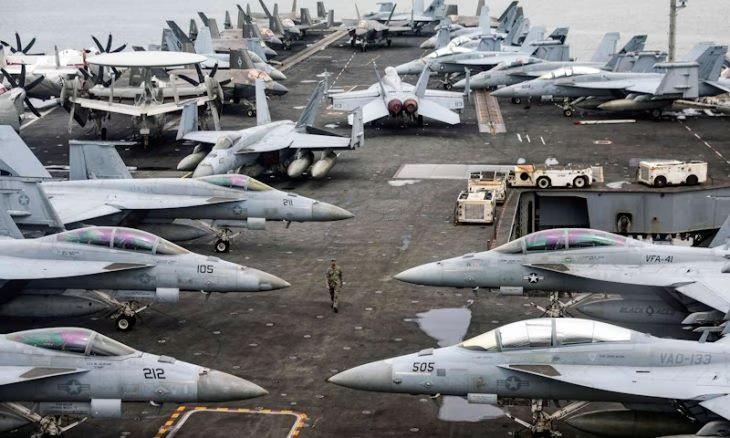







International press reports, citing responsible sources, indicate that the American administration is moving to strengthen its military grip in the Middle East by deploying a second aircraft carrier. This step comes in the context of ongoing preparations for the possibility of launching military strikes against Iranian targets if diplomatic efforts reach a dead end.
The sources stated that the US Department of Defense has received clear instructions to begin logistical and field preparations to move a major strategic naval asset towards the region. This move aims to send a strong deterrent message to Tehran and ensure the readiness of US forces to respond quickly to any field developments that may arise amid escalating tensions.
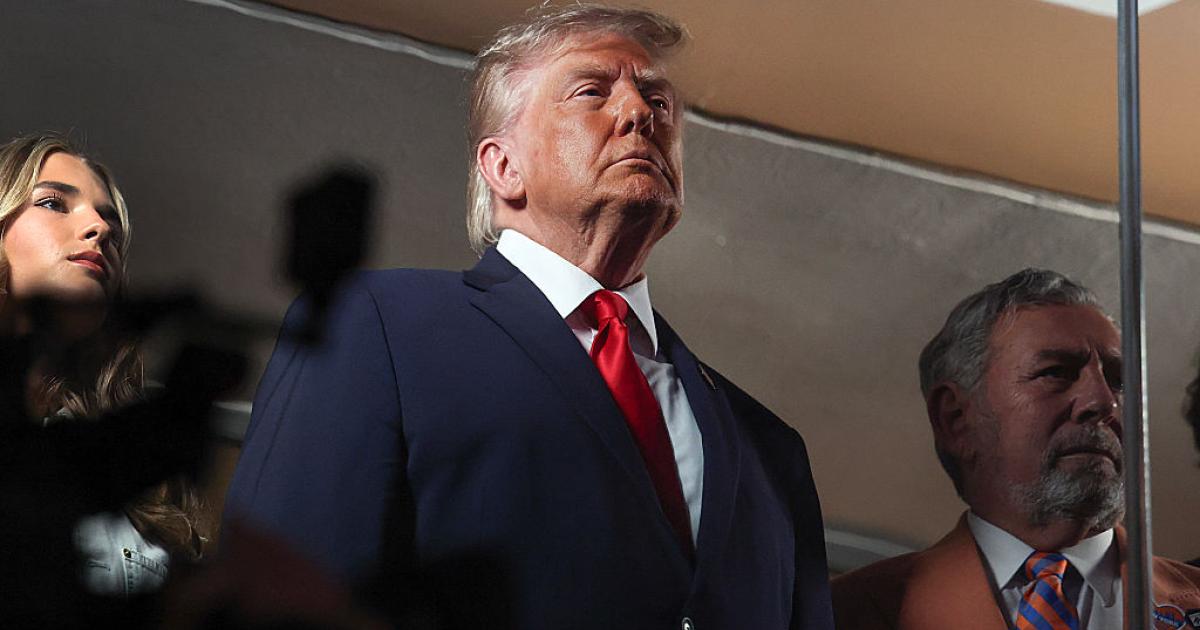
Sources quoted three American officials as saying that President Donald Trump is putting the option of military force on the table as an alternative to stalled negotiations. The officials clarified that the final decision on the move has not yet been officially issued, but military planning is proceeding to avoid any surprise in the event of a collapse of the political path.
If the executive order is issued, the aircraft carrier 'USS George W. Bush' is expected to be moved from the East Coast of the United States. Estimates indicate that the carrier's arrival in the region's waters could take about two weeks, to join the US forces already deployed there.
President Trump had previously stated that he was seriously considering increasing the military buildup in the Middle East as an additional pressure tool on the Iranian regime. The White House links this military escalation to the extent of Tehran's response to American demands regarding its nuclear program and its regional activities, which Washington describes as destabilizing.
It is worth noting that the region is witnessing an intensive American military presence, as the Central Command announced last January the arrival of the aircraft carrier 'USS Abraham Lincoln'. This deployment, according to official statements, aims to support regional security and stability and protect the vital interests of the United States and its allies in international waterways.
Despite the military buildup, Trump described the results of the first round of indirect talks held in the Omani capital, Muscat, as positive. He indicated that the Iranian side showed a desire to reach a new agreement, and a second round of meetings is scheduled for next week to discuss outstanding issues.
In contrast, Tehran adopts a cautious discourse and accuses Washington and Tel Aviv of fabricating pretexts for launching military aggression aimed at changing the political system in the country. The Iranian leadership affirms that it will not stand idly by in the face of any aggression, vowing a decisive and comprehensive response that will affect American interests in the region if it is subjected to any attack.
Iran adheres to its position that all economic sanctions imposed on it must be lifted as a prerequisite for returning to full compliance with the nuclear agreement. Tehran views Western sanctions as 'economic terrorism' targeting the Iranian people and demands international guarantees to prevent Washington from withdrawing from any future agreement.
For its part, the United States insists on strict demands, including the complete cessation of uranium enrichment operations and the dismantling of sensitive infrastructure. Washington also demands the transfer of highly enriched uranium stockpiles out of Iranian territory, which Tehran rejects as an infringement on its national sovereignty and its right to peaceful nuclear energy.
The situation in the Middle East remains open to all possibilities, between the option of de-escalation through diplomacy or sliding into a wide-ranging military confrontation. Regional and international powers are closely monitoring recent American moves, amid fears that the deployment of a second aircraft carrier could ignite the situation in a region already suffering from successive crises.
President Trump is considering sending a second aircraft carrier to the Middle East to prepare for a military operation if negotiations with Iran fail.
Share your opinion
Washington Considers Boosting Military Presence with Second Aircraft Carrier in Anticipation of Confrontation with Iran