







The deputy commander of the Alexandroni Brigade in the Israeli occupation army made statements revealing the ongoing field challenges faced by forces in the Gaza Strip, where he affirmed that the Hamas movement still maintains high levels of combat readiness. The officer indicated that the resistance continues to challenge the Israeli military presence in the strategic 'Yellow Line' area, an area that the occupation refuses to abandon due to complex security and operational considerations.
Hebrew military sources claimed that current technology allows the occupation army to accurately monitor the underground reality, asserting that there are no offensive tunnels crossing the separation fence towards the occupied territories of 1948. However, these claims clash with the field realities recorded by the 'Al-Aqsa Flood' operation, where the resistance proved its ability to penetrate fortifications through advanced tunnel networks that were very close to the security fence.
In the context of acknowledging field losses, the officer revealed that a violent armed clash occurred about two weeks ago during a night military activity in contact areas, resulting in the injury of an Israeli company commander and his transfer for treatment. These incidents reflect the continuation of the resistance's defensive operations and its ability to target infiltrating forces despite intensive technological surveillance and ongoing military operations.
Media reports quoted a high-ranking officer as saying that the operational patterns of Hamas fighters in the current phase have become very similar to the tactics of Hezbollah's 'Radwan Unit' in terms of precision and high professionalism. The source explained that the movement, despite not carrying out large-scale offensive operations at present, maintains operational capabilities that enable it to engage in long-term attrition confrontations.
Regarding the tunnel issue, military officials admitted that the army has only been able to deal with about 50% of the tunnel network extending beneath the Strip, which is estimated at about 150 kilometers. Military commanders described this network as a 'strategic knot' that requires a long time and double engineering effort to dismantle, emphasizing that the mission is not yet over despite the use of massive amounts of water and soil to flood them.
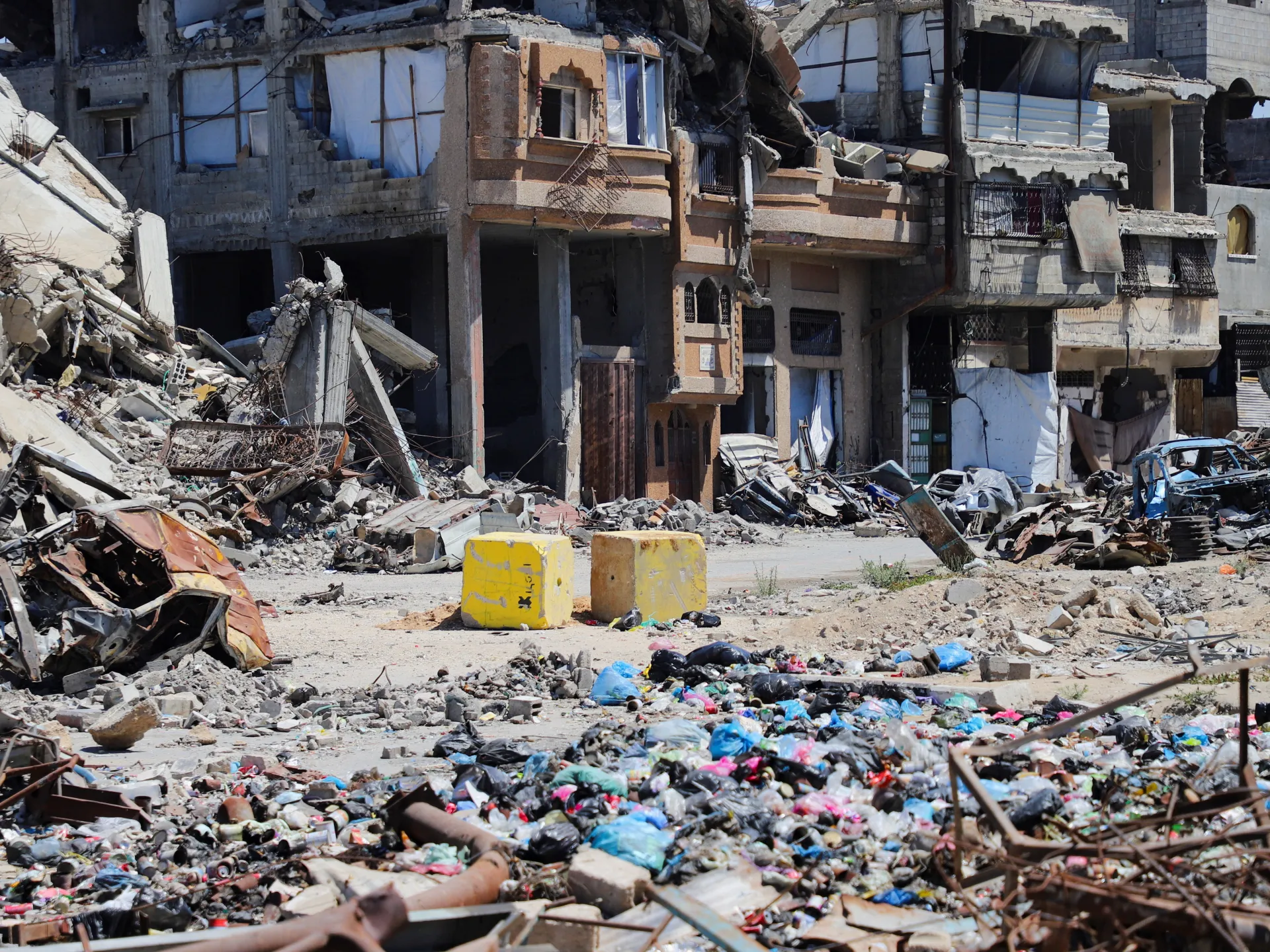
These field developments come at a time when the ceasefire agreement, signed under a US proposal, faces continuous violations by the occupation army through shelling and assassinations. These tensions coincide with a worsening humanitarian crisis in Gaza, where residents suffer from famine, lack of medicine, and tents, amid harsh weather conditions that increase the suffering of displaced people in various areas of the Strip.
Regarding the siege, the conditions set by Benjamin Netanyahu continue to obstruct the movement of travelers and patients through the Rafah crossing, despite international mediations that took place in early February. Estimates indicate that strict security restrictions will prolong the evacuation of the wounded for several months, while the return of those stranded may take years, amid accusations against the US administration of silence regarding these practices that undermine the announced understandings.
Hamas maintains high operational readiness, with operational patterns similar to the special Radwan Unit, and continues to challenge our presence in the strategic Yellow Line areas.



Share your opinion
Israeli Officer: Hamas Maintains High Readiness, Resembles 'Radwan Unit' in Tactics