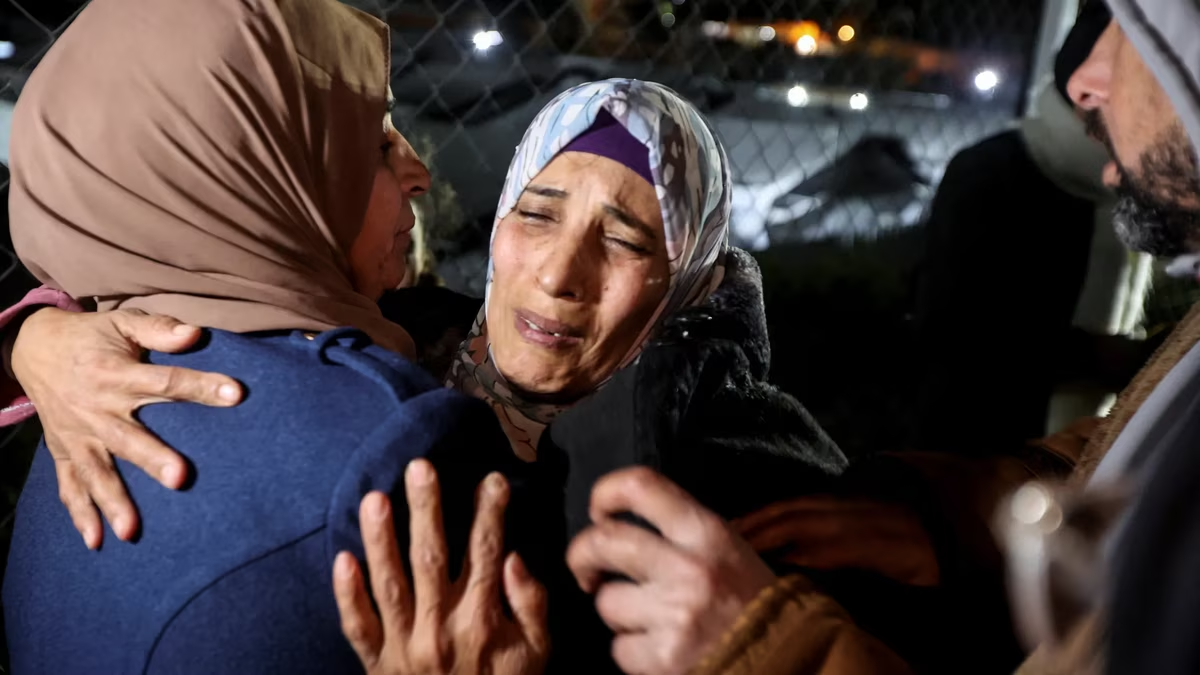







A new batch of Palestinian returnees from Egyptian territories arrived in the Gaza Strip via the Rafah land crossing early Tuesday morning, comprising 40 individuals, including women and children. This return comes amidst severe Israeli restrictions imposed by the occupation authorities on movement since the partial and limited reopening of the crossing recently.
Medical sources in the Strip confirmed that specialized teams immediately transferred the returnees upon their arrival to Nasser Hospital in Khan Yunis city, south of the Strip, to assess their health conditions. The sources clarified that the batch included a number of injured and sick individuals who had been receiving medical care in Egyptian hospitals during the past period.
For his part, Raed Al-Nims, spokesperson for the Palestinian Red Crescent Society, stated that this batch is the sixth of its kind and consists of 20 patients accompanied by 20 of their relatives. Al-Nims indicated that the society's teams continue their humanitarian efforts to evacuate critical cases and secure the return of stranded citizens despite significant field challenges.
Israeli occupation authorities had reopened the Palestinian side of the Rafah crossing on February 2nd, after imposing full military control over it since May 2024. However, movement through the crossing remains extremely slow and subject to strict restrictions, depriving thousands of Palestinians of their right to movement and return.
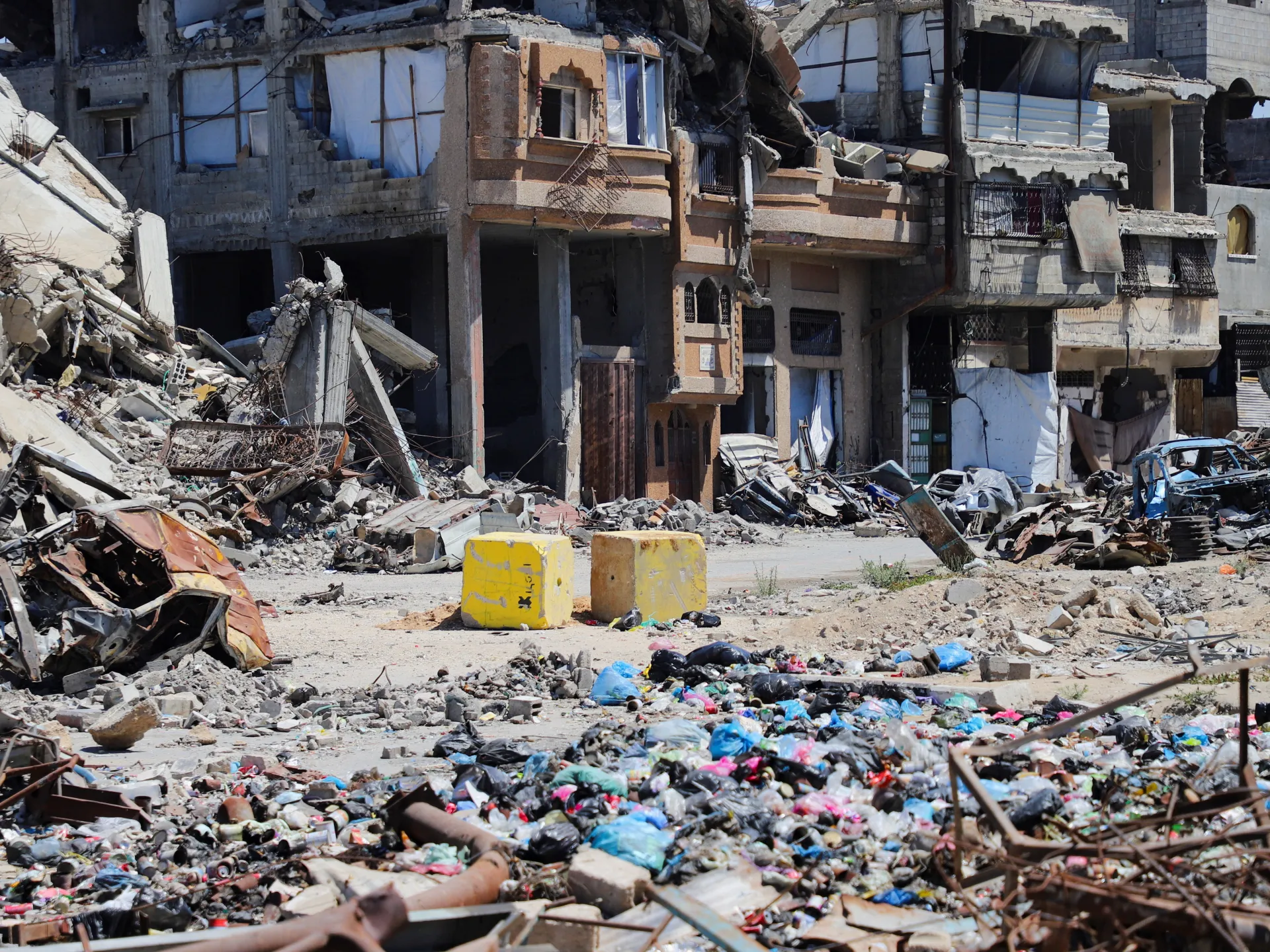
Official estimates in Gaza indicate a huge gap in health needs, with approximately 22,000 injured and sick individuals awaiting their turn to leave the Strip for life-saving treatments. This backlog is a result of the near-complete collapse of the medical system due to the direct targeting of hospitals and health facilities during the ongoing war.
In a related context, field data revealed that approximately 80,000 Palestinians have registered on lists of those wishing to return to the Gaza Strip from abroad, which observers see as evidence of their steadfastness on their land despite the immense destruction. Returnees recounted harsh testimonies about being subjected to humiliating interrogations by occupation forces during their crossing, including the elderly and minors.
It is worth noting that the Rafah crossing was the only lifeline for the movement of individuals before the outbreak of the war, where it was managed in Palestinian-Egyptian coordination away from direct Israeli intervention. Despite the understandings included in the October 2025 ceasefire agreement regarding the reoperation of the crossing, Israeli procrastination continues to hinder the restoration of normal movement for travelers.
Approximately 22,000 injured and sick individuals are in urgent need of leaving the Strip for treatment amidst the near-complete collapse of the health system.

Share your opinion
New Batch of Returnees Arrives in Gaza via Rafah Crossing Amidst Israeli Restrictions