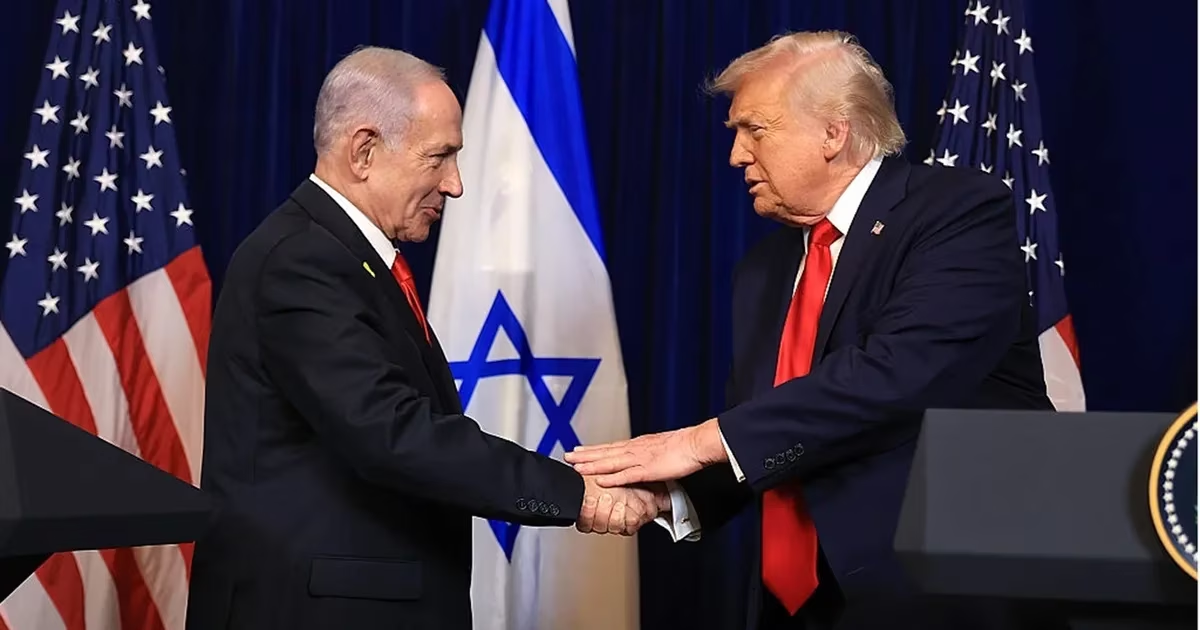







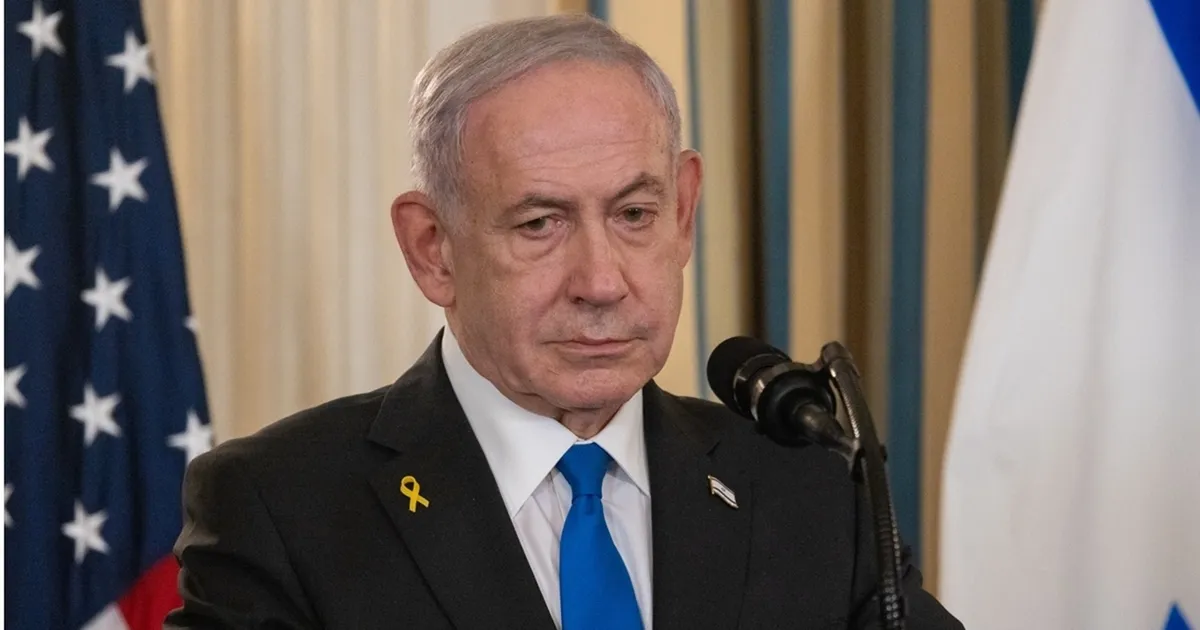
Political and military circles in Tel Aviv are in a state of anticipation as Prime Minister Benjamin Netanyahu heads to the United States on a surprise visit. These moves come at a very sensitive time, as Netanyahu seeks to ensure his imprint on any strategic decision taken by US President Donald Trump regarding the Iranian file, whether it be military escalation or a new negotiation path.
Hebrew press sources reported that Netanyahu aims through this visit to preempt any shifts in US policy, and to try to claim credit for himself if Trump decides to carry out his previous threats to attack Tehran. This step is part of a political strategy that guarantees Netanyahu domestic gains regardless of the final outcomes of US moves in the region.
The timing of the visit raises fundamental questions about its relationship with the anticipated negotiations between Washington and Tehran, as the Israeli side seeks to ensure that no concessions are made that affect its national security. It also highlights the hypothesis that Netanyahu is trying to avoid participating in the Washington conference scheduled for the nineteenth of this month, which focuses on establishing a peace council in the Gaza Strip.
Observers believe that the peace forum adopted by Trump is not consistent with the current orientations of the Israeli government, especially since the US President's plans to end the war in Gaza contradict the promises Netanyahu made to his right-wing public. Therefore, focusing on the Iranian file may be a way to escape US pressure related to the Palestinian issue and expand the circle of regional conflict.
In a related context, informed sources revealed that leaked messages from Netanyahu's circle indicate that the primary goal is to convince Trump of the necessity of launching a military strike against Iran. This mission is considered a political gamble, as Netanyahu believes that merely attempting it enhances his image as 'Israel's protector' in the eyes of local public opinion, even if Trump ultimately chooses a different path.
In the background of this visit is a state of distrust between the Prime Minister's office and some figures close to Trump, led by his son-in-law Jared Kushner and envoy Steve Witkoff. The roots of this tension go back to previous disagreements during the 'Deal of the Century' negotiations in 2020, in addition to differing views on prisoner exchange deals with Hamas.
What reinforces the military nature of the visit is the accompaniment of Brigadier General Amir Tischler, the incoming commander of the Israeli Air Force, to the Prime Minister's delegation. Tischler's presence indicates that the talks will not be limited to political aspects only, but will also touch upon precise operational details related to air and intelligence coordination between the Israeli and US armies.
Tischler's assignment to this mission comes amid a military diplomatic vacuum, as Israel has lacked a military attaché in Washington for several months due to sharp disagreements between Netanyahu and Defense Minister Yoav Gallant on the one hand, and the Chief of Staff on the other. Tischler was chosen to be the direct link with the US side at this critical stage.
This visit comes as a continuation of a series of high-level meetings held by Israeli security officials in Washington recently. Mossad chief David Barnea and Military Intelligence chief Aharon Haliva had previously visited the United States, reflecting serious preparations for potential military scenarios regarding Iran's nuclear program.
Analysts believe that this intensification of security visits indicates close operational coordination that goes beyond mere information exchange. It appears that Israel is seeking a US green light, or at least logistical and operational support, should it decide to act unilaterally against vital Iranian targets.
On the political front, Netanyahu is trying to exploit his close relationship with President Trump to strengthen his political standing, which has been shaken by the ongoing war in Gaza. The Prime Minister is betting that the Iranian file is the strongest common denominator through which absolute US support can be mobilized and disagreements over the future of the Gaza Strip can be overcome.
In contrast, Trump faces internal and international pressure to end conflicts in the Middle East, which makes his position on attacking Iran surrounded by many complexities. While Trump tends to use strong threatening language, his desire to avoid long wars of attrition may push him to seek major deals rather than direct military confrontation.
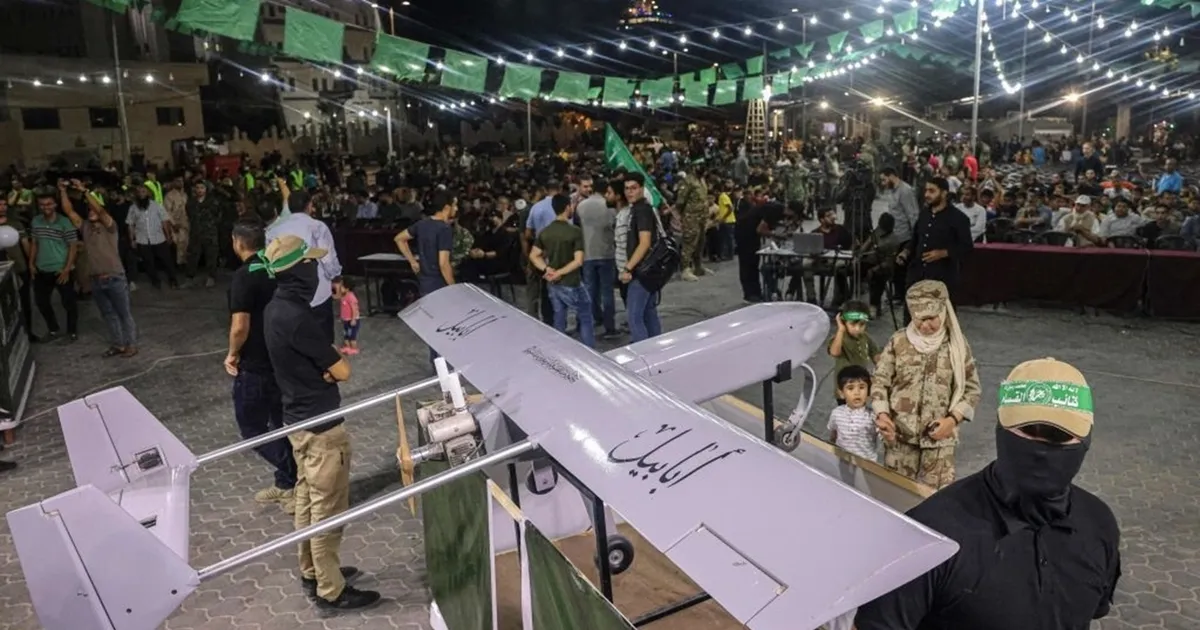
Iran's expansionist policies in the region, and its role in supporting armed factions, remain the primary driver of Israeli concern. Tel Aviv believes that any new US-Iranian agreement that does not include dismantling Tehran's nuclear and missile capabilities will pose an existential threat to it, which Netanyahu is trying to prevent during his current meetings in Washington.
In conclusion, the outcomes of this visit remain dependent on the extent of the Trump administration's response to Israeli demands, and whether Washington is indeed prepared to enter into a direct confrontation with Iran. Whether Netanyahu succeeds in convincing Trump to attack or fails, the coming days will reveal the features of the new US strategy in the region and its impact on the stability of the Middle East.
The persuasion journey is a mutual gain for Netanyahu; if Trump launches an attack, he will claim credit, and if he backs down, he will have at least tried.



Share your opinion
Intense Israeli Moves in Washington: Is Netanyahu Paving the Way for a US Strike Against Iran?