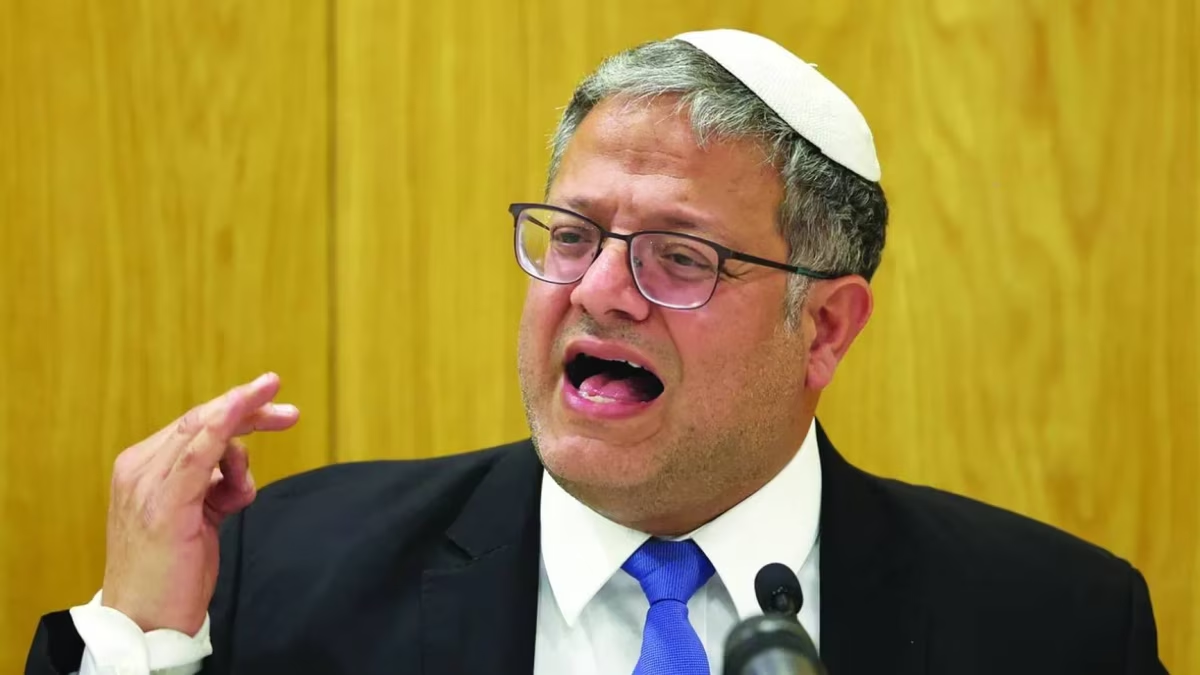







Israeli National Security Minister Itamar Ben Gvir launched a sharp attack on US President Donald Trump's team, accusing them of adopting inaccurate views on the future of the Gaza Strip. Ben Gvir stated that there are attempts to plant misleading ideas within the new US administration regarding sensitive regional issues.
In statements made to the Hebrew Broadcasting Authority, Ben Gvir specifically named the President's son-in-law Jared Kushner and envoy Stephen Witkoff, accusing them of misleading President Trump. The far-right minister affirmed his categorical rejection of any international plans aimed at rebuilding the Gaza Strip, describing these approaches as unrealistic and unattainable.
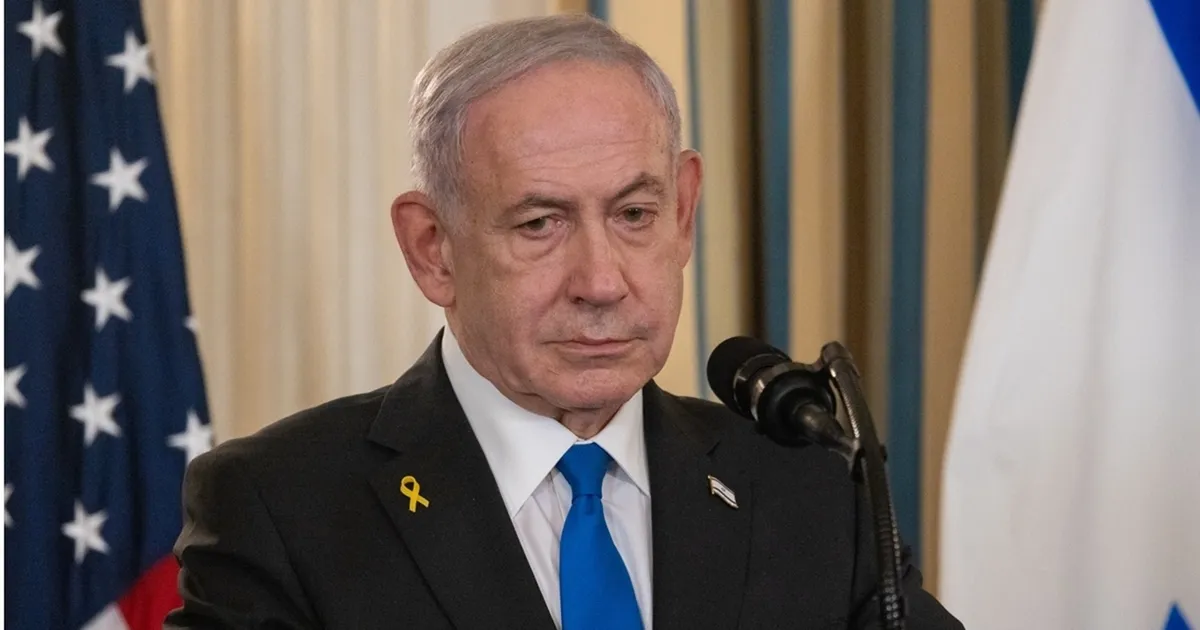
Despite his criticisms of the American team, Ben Gvir expressed great confidence in Prime Minister Benjamin Netanyahu's ability to influence the White House's stance. He praised Netanyahu's management of the Iranian nuclear file, describing his performance as excellent and his ability to speak on equal terms with the American side as crucial for achieving Israeli interests.
These statements come at a sensitive time, as White House sources revealed President Trump's response to Netanyahu's request to advance the date of his official visit to Washington. The summit between the two parties is scheduled for next Wednesday to discuss developments on the ground in Gaza and increasing Iranian threats.
The Israeli Prime Minister's office clarified that the agenda Netanyahu is taking to Washington primarily focuses on setting strict conditions for any future negotiations with Tehran. These conditions include undermining Iran's ballistic missile capabilities, as well as ending its military and political influence in the region's countries.
In a move reflecting the military and security nature of the visit, press reports indicated that the commander of the Israeli Air Force would be part of Netanyahu's accompanying delegation. This accompaniment suggests the possibility of discussing operational plans or high-level security coordination related to the Iranian file and ongoing military operations.
Concurrently with these movements, the Omani capital, Muscat, witnessed the conclusion of a round of indirect negotiations between the United States and Iran, mediated by Oman. Witkoff and Kushner represented the American side in these talks, while Iranian Foreign Minister Abbas Araqchi led the Iranian delegation.
For his part, US Secretary of State Marco Rubio set clear parameters for the success of any dialogue with Tehran, pointing to the necessity of addressing the issue of supporting armed organizations. Rubio affirmed that Washington is closely monitoring Iran's seriousness in dealing with outstanding issues, including its human rights record and missile program.
In contrast, Iranian Foreign Minister Abbas Araqchi adopted a rigid stance towards American demands, emphasizing that his country would not compromise its national sovereignty. Araqchi stressed that Tehran only seeks to discuss the lifting of international sanctions that impose immense pressure on the Iranian economy and rejects the inclusion of other issues in the talks.
These political tug-of-wars reflect the complexity of the relationship between the occupation government and the Trump administration, especially with the presence of a right-wing current within Israel that rejects any compromises in Gaza. The upcoming meeting in Washington remains the real test of Netanyahu's ability to balance internal pressures with the aspirations of the new American administration.
The American administration will ultimately realize that rebuilding the Gaza Strip is unrealistic.




Share your opinion
Ben Gvir Attacks Trump's Team on Gaza, Praises Netanyahu's Handling of Iranian File