







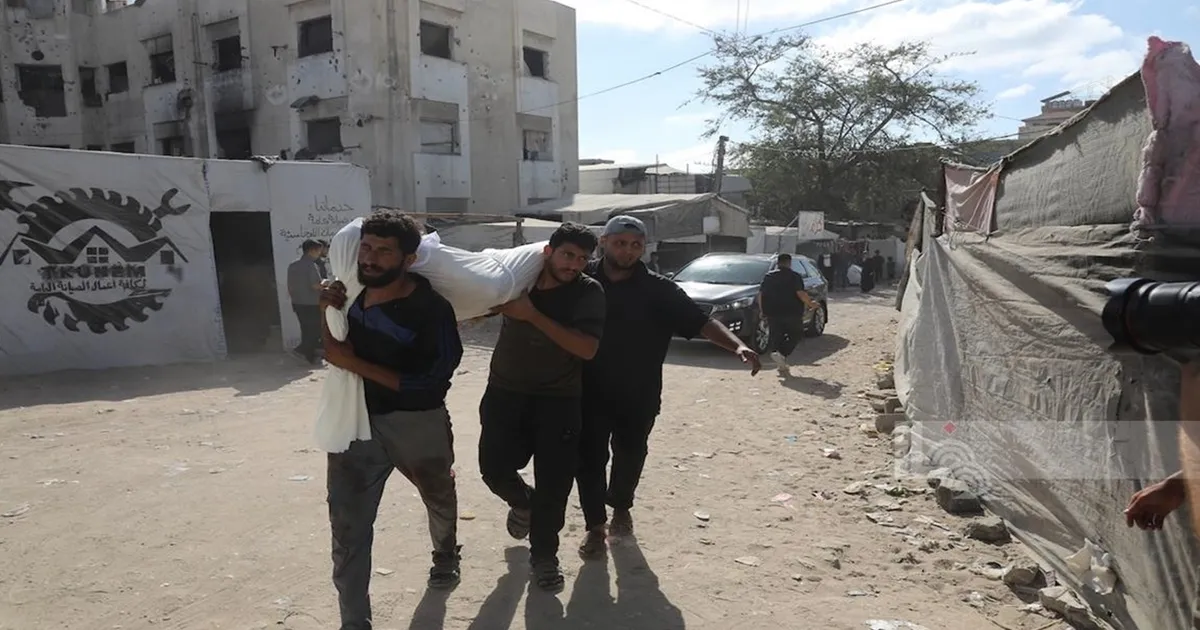
The Ministry of Health in Gaza announced that a large number of patients and wounded are dying due to the obstruction of their passage for treatment outside the Strip, with the Rafah crossing closed since yesterday. This comes at a time when Israeli artillery shelled various parts of eastern Gaza City and eastern Jabalia town in the northern Strip, with a demolition operation east of Khan Younis in the southern Strip, which led to the death of a Palestinian in the Shuja'iyya neighborhood east of Gaza City, in an area located outside the areas of army deployment and control according to the Gaza ceasefire agreement.
On the humanitarian front, Zaher Al-Wahidi, director of the Information Center at the Ministry of Health in Gaza, confirmed in an interview with media sources that Israeli complications and security investigations exacerbate the suffering of Gaza residents, pointing to the closure of the Rafah crossing since yesterday. He said: "We lose patients and wounded daily due to the obstruction of their passage for treatment outside the Strip," pointing to a record shortage of medicines and medical supplies.
In this context, the Ministry warned of an imminent collapse of the healthcare system amid widespread depletion of medicines and medical supplies, and the inability of the remaining hospitals to meet the increasing needs of patients and wounded. The Ministry said in a statement that "46 percent of essential medicines, 66 percent of medical consumables, and 84 percent of laboratory materials and blood banks are unavailable in the Strip's hospitals," making the continued provision of healthcare a daily miracle.
The statement affirmed that the remaining operational hospitals in the Gaza Strip "are struggling to continue service and have turned into forced waiting stations for thousands of patients and wounded who face an unknown fate." The Ministry of Health in Gaza appealed to all concerned parties to intervene to strengthen drug stockpiles and save the health situation in the Strip's hospitals, as temporary emergency solutions are no longer effective.
Gazans are suffering tragic conditions due to the repercussions of a two-year Israeli genocide war in the Gaza Strip. Despite the ceasefire agreement in effect since October 10, 2025, Israel prevents the entry of agreed-upon quantities of humanitarian aid into Gaza, where about 2.4 million Palestinians, including 1.5 million displaced persons, live in catastrophic conditions. The Israeli occupation army also continues to violate the agreement daily by launching raids on various areas in Gaza, which has led to the death of 574 Palestinians and the injury of 1518, most of them children and women, in addition to material destruction.
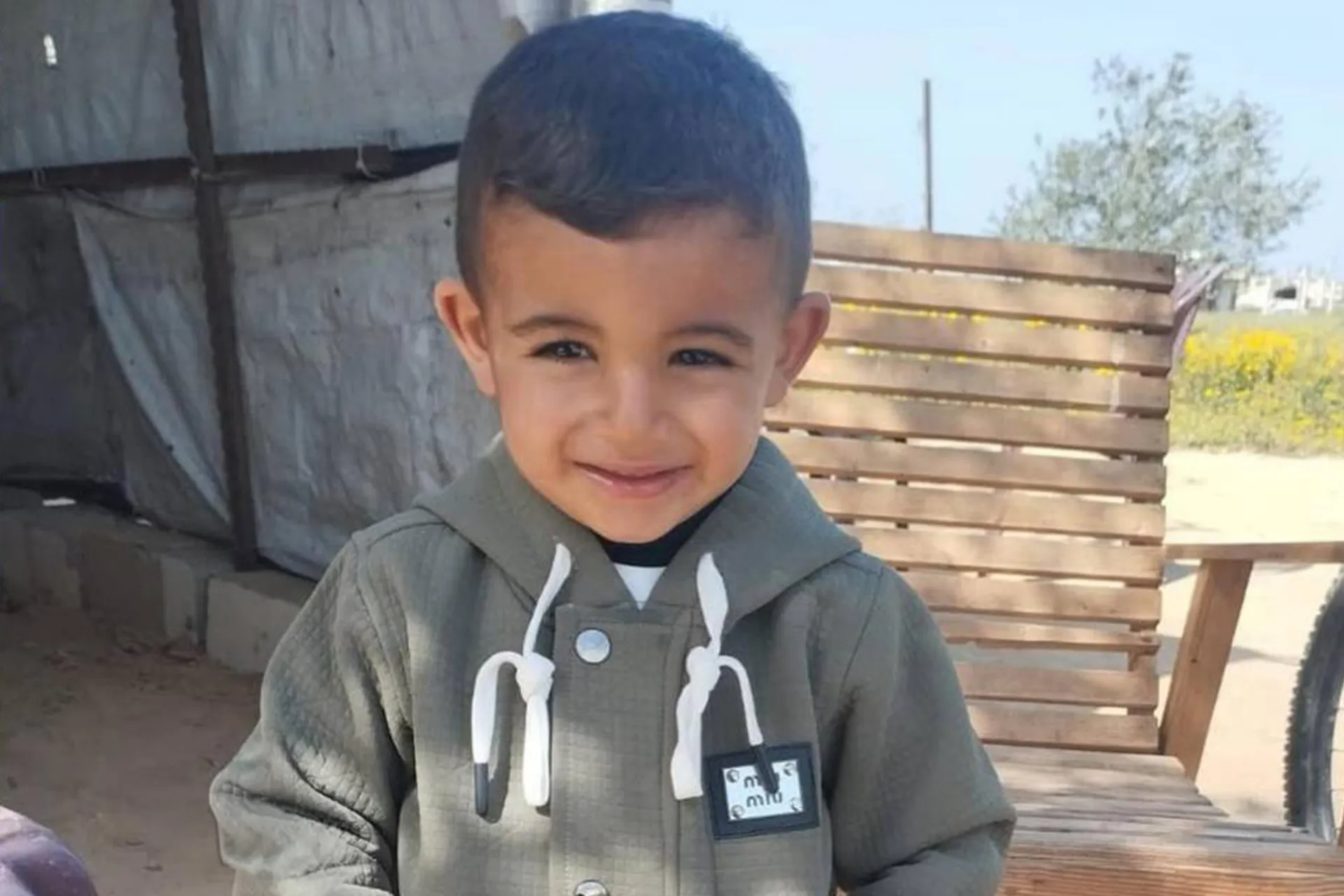
In this context, the United Nations Children's Fund (UNICEF) said that 37 Palestinian children have died in the Gaza Strip since the beginning of the year amid a fragile ceasefire. The organization indicated in a report that "the situation remains extremely fragile and deadly for many children in Gaza, where children continue to suffer from airstrikes and are affected by the collapse of health, water, and education systems." It stressed the need for the ceasefire to hold and fulfill its promise to end the suffering of children in Gaza.
We lose patients and wounded daily due to the obstruction of their passage for treatment outside the Strip, and the remaining hospitals have turned into forced waiting stations facing an unknown fate.

Share your opinion
Collapse of the healthcare system in Gaza hospitals and warnings of an unknown fate for thousands of wounded