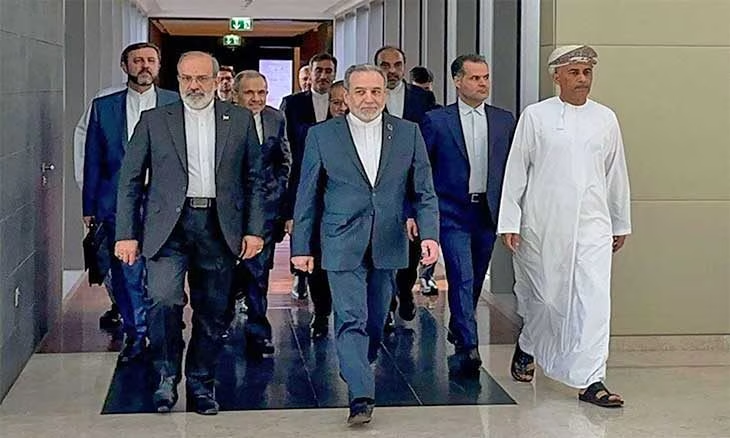







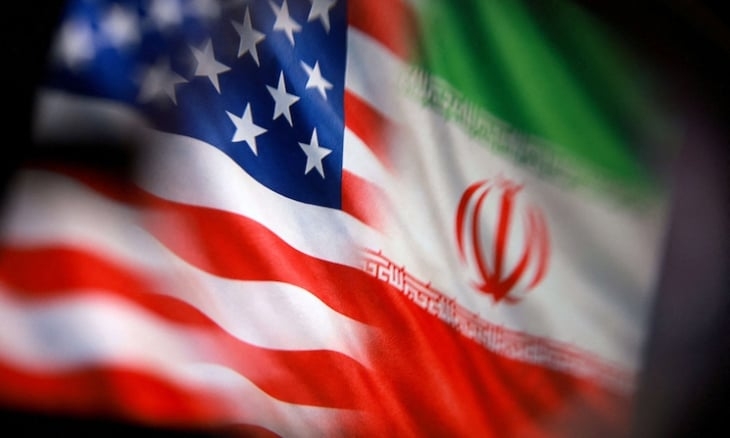
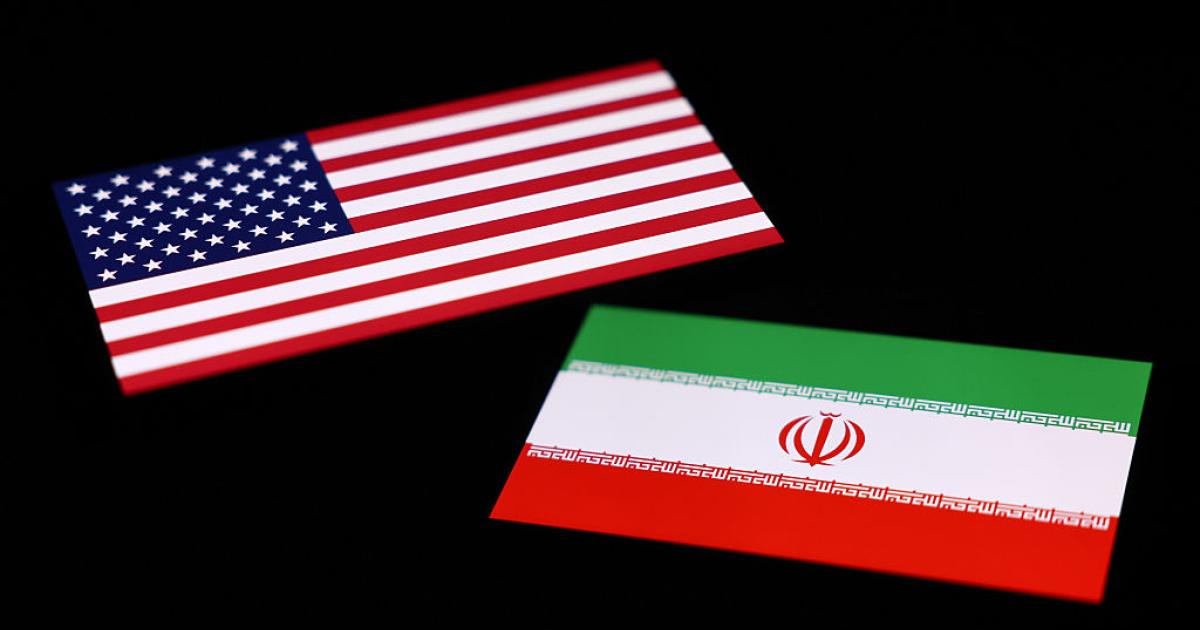
In the Sultanate of Oman, yesterday, Friday, preparations began for a crucial round of negotiations between the United States and the Islamic Republic of Iran. Tehran chose to move the negotiation venue from Turkey to Muscat, a move that reflects its desire to benefit from Oman's historical neutrality and ability to mediate successfully, away from geopolitical competition with Ankara, and to maintain the secrecy of sensitive files that will be discussed.
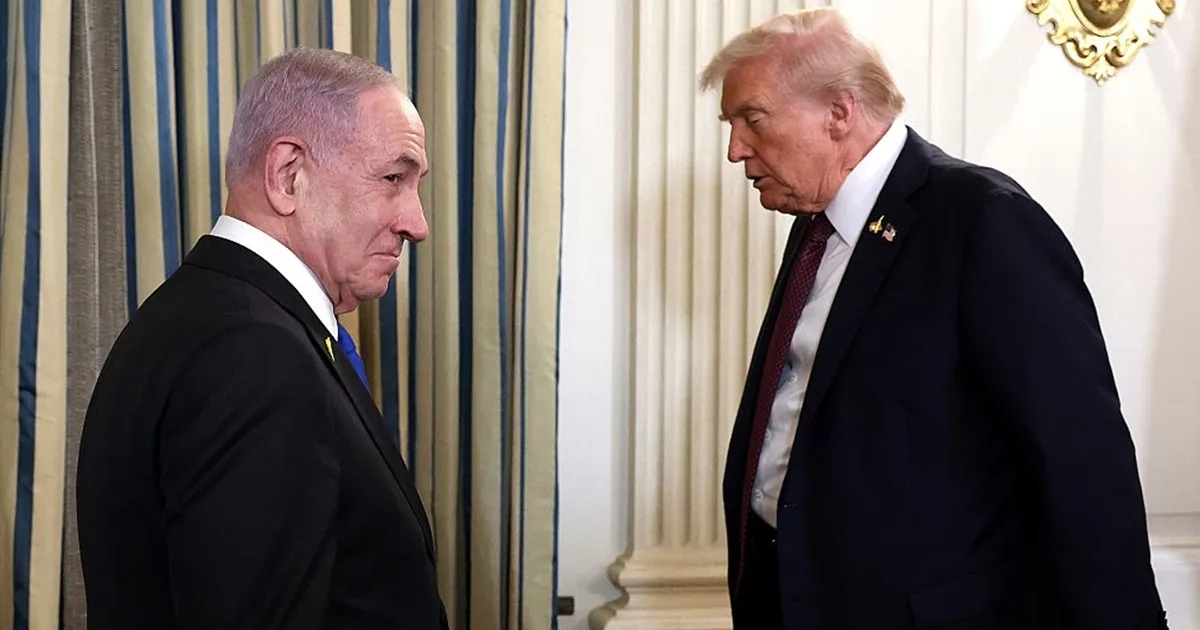
Data indicates that President Donald Trump's administration is dealing with the Iranian file with a 'deal' mentality, having entrusted the task to a team including Steve Witkoff, Jared Kushner, and Thomas Barrack, who are personal associates of Trump and have major economic backgrounds. Washington is betting in this round on the military and political pressures that Tehran has recently faced, especially after the joint attack on its nuclear program and missiles in June 2025.
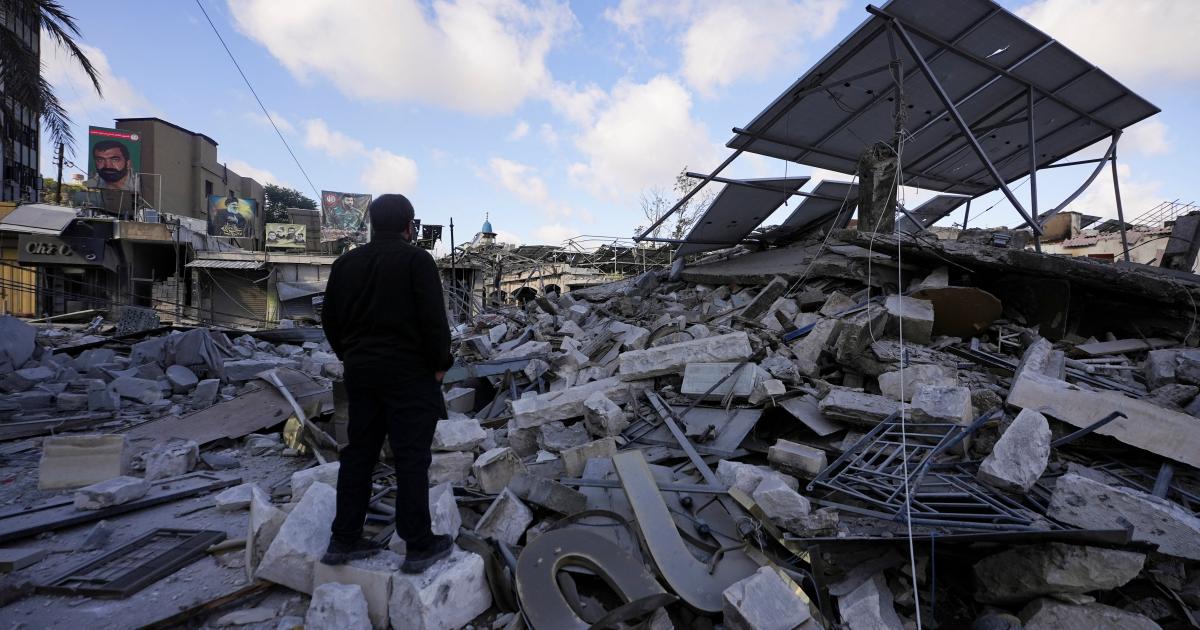
These negotiations come at a time when Iran is suffering from a decline in its regional influence, starting with the weakening of its strategic ally in Lebanon and the ceasefire in November 2024, leading to a radical shift in Syria with the fall of Bashar al-Assad's regime in December 2024, which forced Iranian forces to withdraw and lose their military and political bases there.
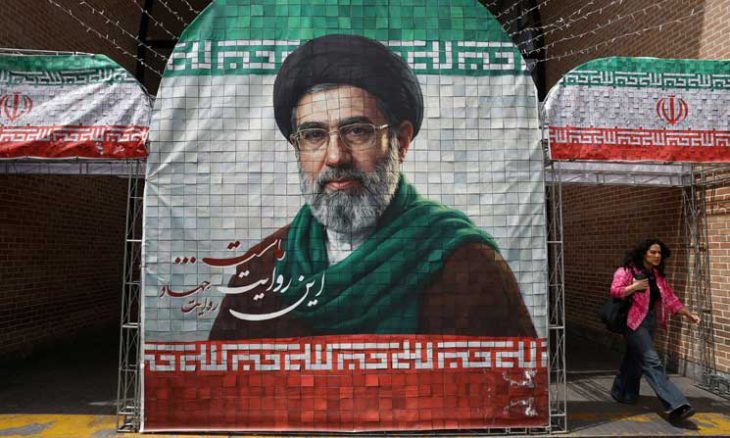
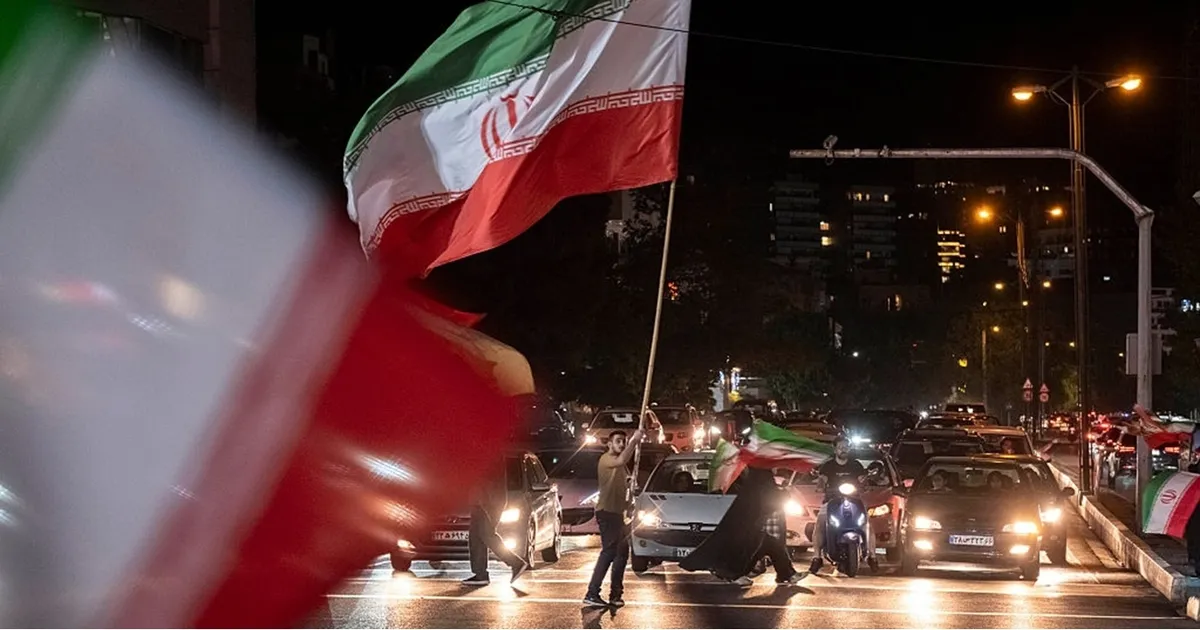
Internally, the Iranian leadership faces a deep rift following the bloody popular protests that erupted last December due to the suffocating economic crisis. Observers believe that these internal pressures are the main motive behind Tehran's compulsion to sit at the negotiating table, in an attempt to avoid any direct American military strikes that could threaten the regime's stability.
For his part, US Secretary of State Marco Rubio set the ceiling for American demands, emphasizing that the talks must go beyond the nuclear file to include ballistic missile range and human rights record. In contrast, Tehran is trying to hold on to its missile program as a last line of defense for its regional influence, making these negotiations a major gamble that could determine the future of Iran's role in the region.
It seems that abandoning nuclear ambitions under these circumstances represents the end of Iran's dream of joining the global 'club of powers', while the question remains about its ability to maintain its regional arms and militias in the Arab region in the face of the Trump administration's insistence on achieving a comprehensive deal that ends this influence.
The negotiations must include, in addition to the nuclear dispute, the range of Iran's ballistic missiles and its treatment of its people.
Share your opinion
Muscat Negotiations: Will the American 'Deal' End Iran's Regional Influence?