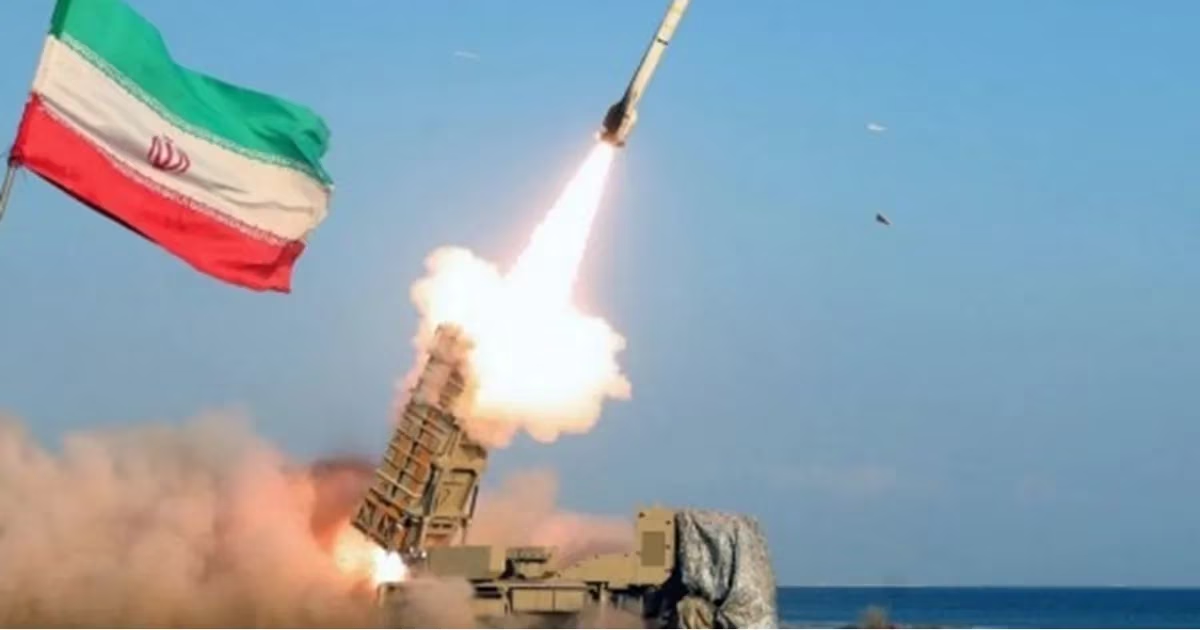







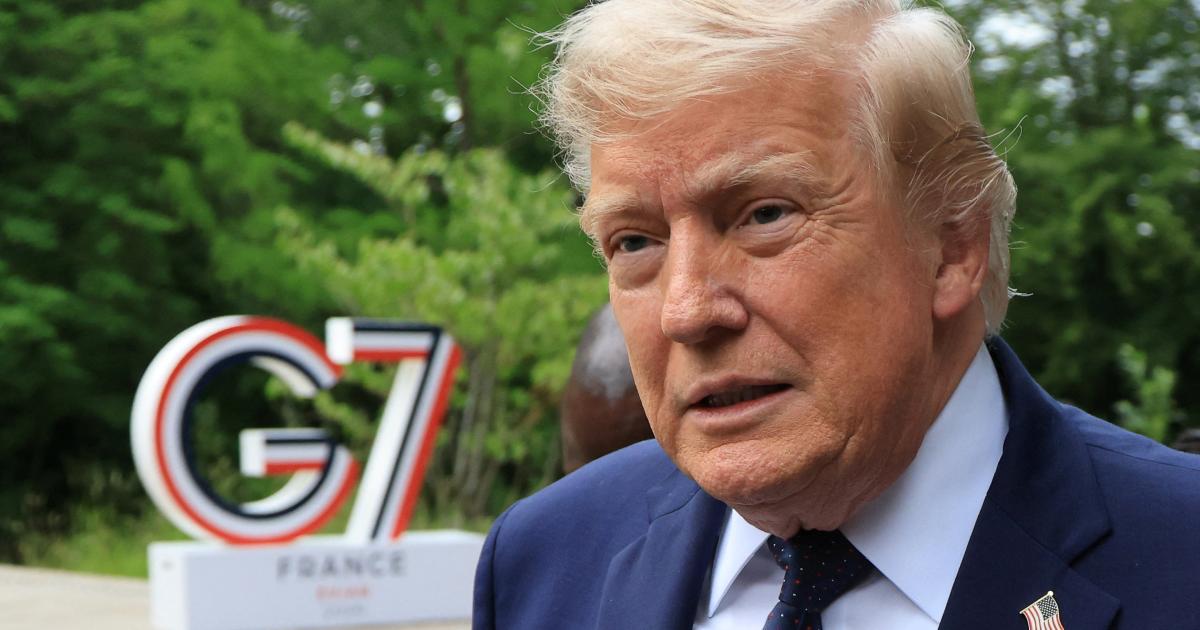
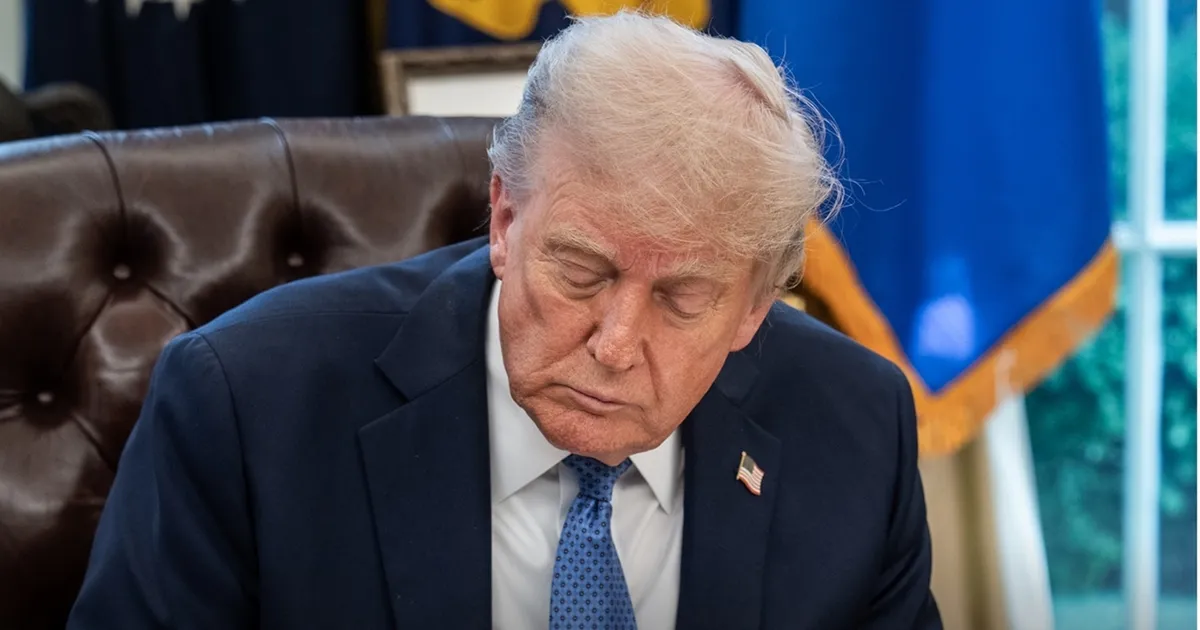
The positions of several Middle Eastern countries have undergone significant shifts regarding the prospects of military escalation with Iran, amidst rising regional tension and increasing pressure on the United States to make a decisive choice between military and diplomatic paths. Sources reported that further regional conflict could lead to chaos and perhaps open opportunities at the same time, as US President Donald Trump said on January 2: "We are ready," promising that America would intervene to save Iranians protesting their regime, while Iran's Supreme Leader Ayatollah Ali Khamenei vowed to ignite a regional war if Washington launched airstrikes.
Initially, few in the Middle East seemed enthusiastic about further conflict, and decision-makers in the region tried to dissuade America from military action, but positions now appear more varied. Israel had previously opposed strikes, fearing that an attack would be symbolic and provoke Tehran to launch missiles before Tel Aviv was ready, and Benjamin Netanyahu, its prime minister, was surprisingly reserved when he stated in January: "The best revolutions start from within."
A month later, Israel began urging America to launch an attack, and its generals traveled to Washington to discuss strike plans. On February 3, Steve Witkoff, Trump's envoy, met Netanyahu, who tried to convince him that any agreement with Iran was futile. Saudi Arabia's position also became more nuanced; after initial warnings against using its airspace, Prince Khalid bin Salman, the Minister of Defense, was quoted as telling US officials on January 30 that if an attack did not occur, "it would only encourage the Iranian regime."
Several factors explain these shifts, including reassurance from the massive American military buildup and the arrival of the aircraft carrier "USS Abraham Lincoln" and additional air defense batteries, which gives Trump the option of launching a sustained air campaign. On the other hand, Israelis and Saudis fear that any diplomatic agreement, especially if it includes sanctions relief, might give the regime in Tehran a chance to survive despite the damage to its nuclear program in the twelve-day war last June.
In contrast, Turkey stands out as a major opponent of any military intervention, fearing that a war on its 534-kilometer-long border could cause mass displacement. Its foreign minister, Hakan Fidan, urges Americans to continue negotiations. Ankara's influence has grown since the Syrian revolution in late 2024, with Trump crediting Erdogan for the fall of the Assad regime, while Netanyahu sees Israel's strikes on Hezbollah as the main reason.
This does not happen in isolation from reality, as the region still suffers from the effects of the past two years' wars, and Trump has complicated the situation with shifting alliances. In the wake of military victories, Israel saw itself as the dominant regional power, while Iran today appears weaker than ever, amidst increasing competition for influence that could ignite widespread chaos or create new opportunities.
Prince Khalid bin Salman told US officials on January 30 that the absence of an attack would only encourage the Iranian regime.


Share your opinion
Regional Shifts: Israel and Saudi Arabia Change Stance on Military Option Against Iran