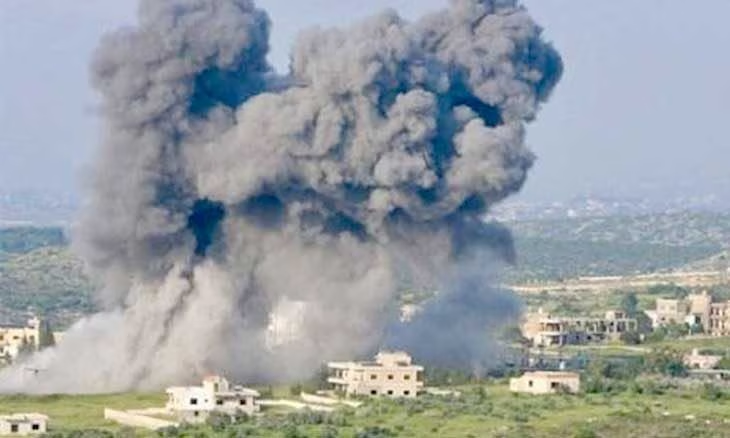







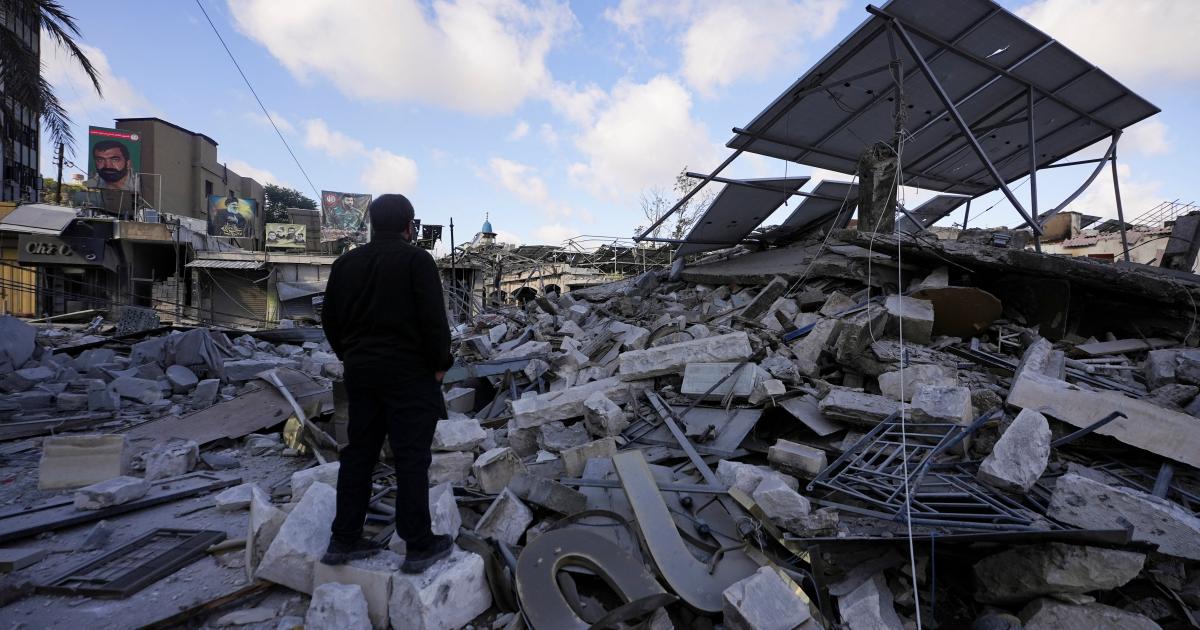
The Lebanese arena witnessed a remarkable field escalation, as Israeli warplanes carried out a series of raids targeting areas in the South and Bekaa. Sources reported that eight raids targeted the town of Al-Mahmoudiya and Wadi Barghaz in the Nabatieh district, followed by shelling on the Al-Wazaiya area in Jabal Al-Rayhan and the Hermel Al-Zghrin heights in the east of the country. The Israeli army spokesman announced that the attacks targeted Hezbollah targets in various areas.
Politically, French Foreign Minister Jean-Noël Barrot began a tour in Beirut that includes the three presidents, focusing on preparing for a conference to support the Lebanese Army scheduled to be held in Paris next March, with the participation of about 50 countries. These moves come at a time when information revealed preparations by President General Joseph Aoun to visit Washington and meet with US President Donald Trump, coinciding with his heading of Lebanon's delegation to the Paris conference.
At Baabda Palace, a prominent meeting was held between President Aoun and the head of the Loyalty to the Resistance bloc, MP Muhammad Raad, where the repercussions of the regional confrontation were discussed. Raad affirmed after the meeting the keenness to cooperate to end the occupation and protect national sovereignty, stressing that Hezbollah will not be neutral towards any threats affecting the region, considering that the priority is to enhance stability, reconstruction, and the state's assumption of its sovereign responsibilities.
On the governmental field level, Prime Minister Nawaf Salam begins an inspection visit to the border areas in the South, including the army barracks in Tyre, Naqoura, Bint Jbeil, and Marjayoun. This visit, accompanied by MPs from the Amal Movement and Hezbollah under the guidance of Parliament Speaker Nabih Berri, aims to confirm the official presence in the areas facing the Israeli occupation.
Diplomatically in Washington, Army Commander General Rudolf Heikal continued his meetings with American officials, including US President's advisor Massaad Boulos and Senator Lindsey Graham. Discussions focused on continued military support for the Lebanese Army, amid American indications linking this support to field progress in the plan to restrict weapons, which was confirmed by Lebanon's ambassador to Washington, Nada Maawad, who described the meetings as positive.
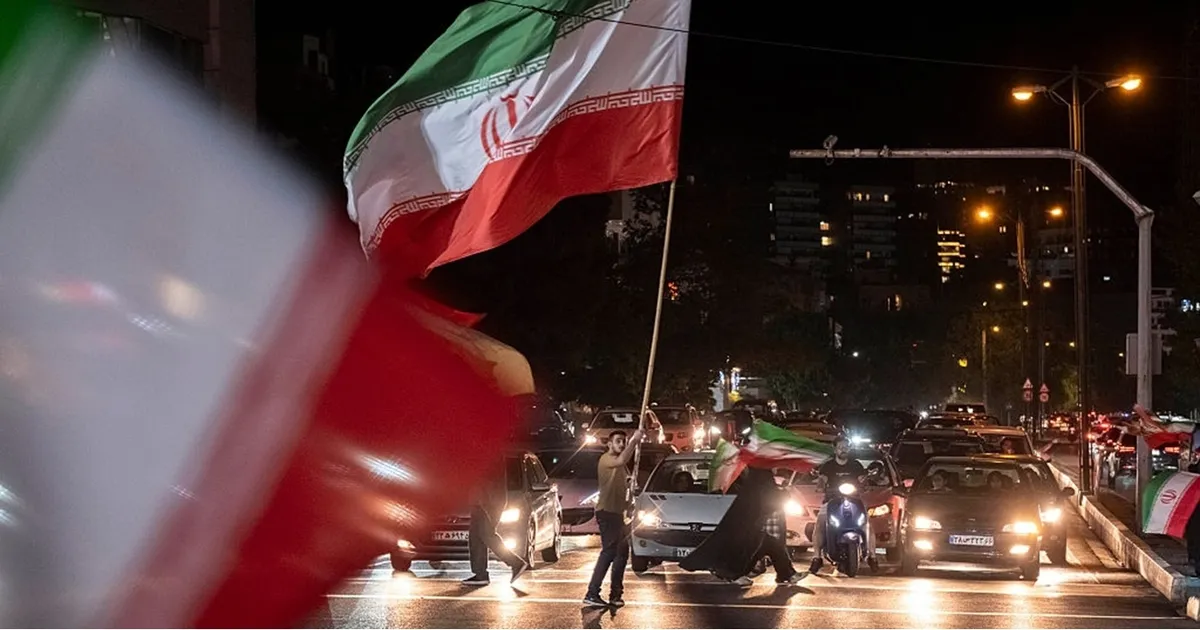
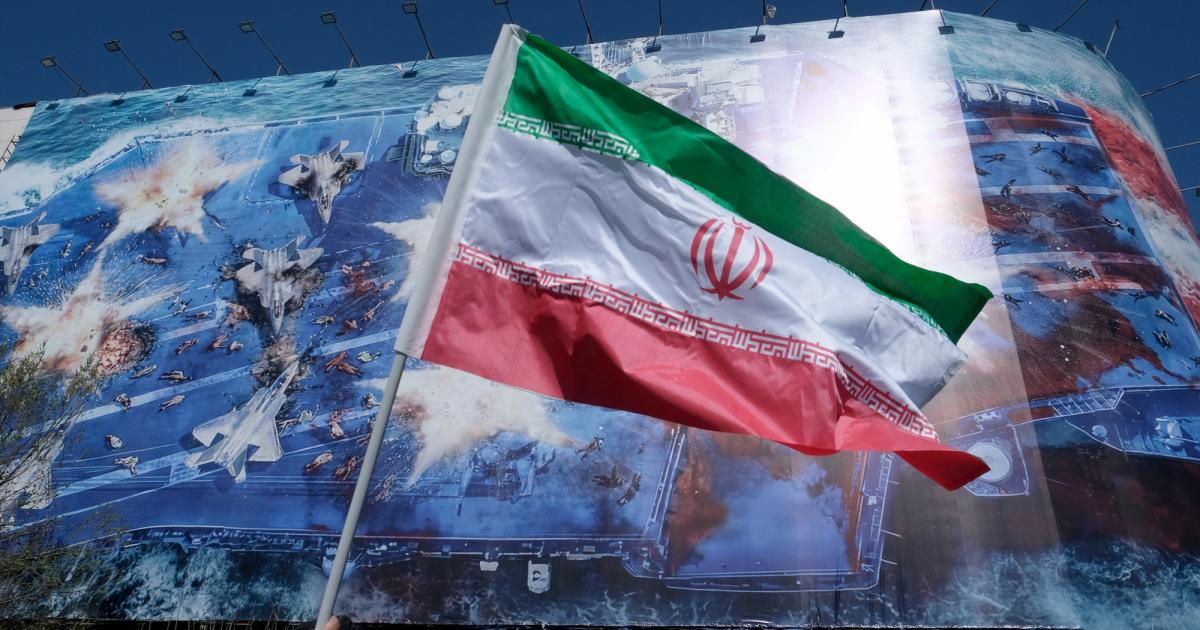
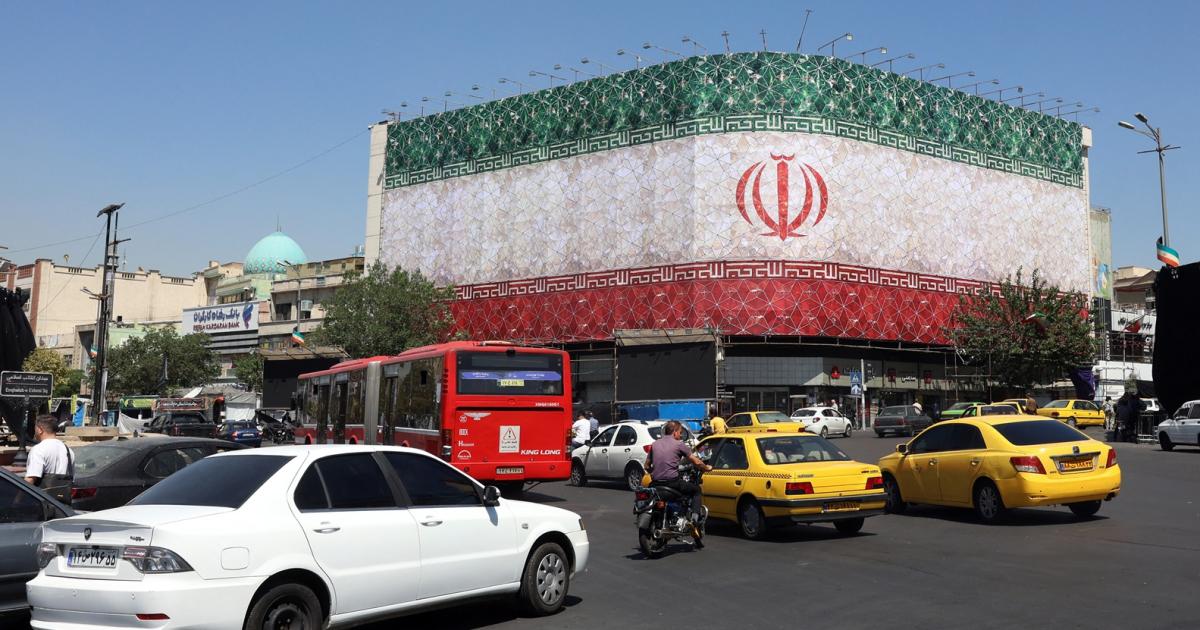
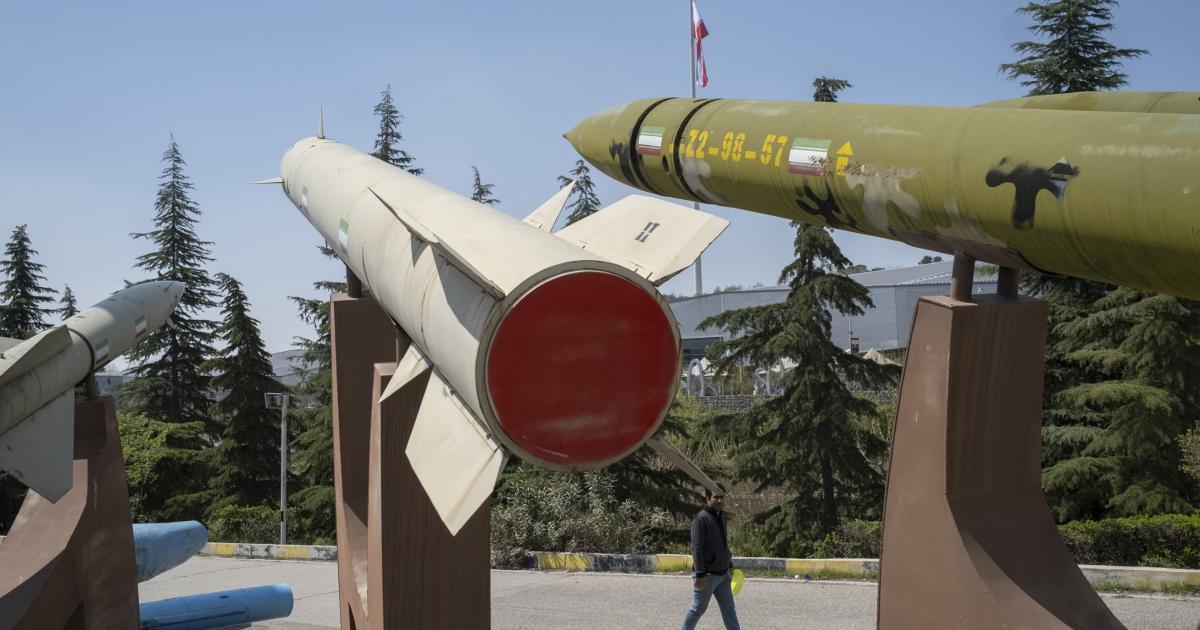
In a related context, Tehran sent a clear message through Ali Akbar Velayati, advisor to the Iranian Supreme Leader, in which it affirmed Iran's full readiness to confront any threat from the United States and Israel. The spokesman for the Iranian army, Muhammad Akrami Nia, stated that the armed forces have strengthened their capabilities by adding a thousand strategic drones, warning that any confrontation will include American bases in the region, putting President Trump before the options of reconciliation or war.
Internally, MPs from the Loyalty to the Resistance bloc warned of the pressures exerted by Washington and Tel Aviv. MP Ali Ammar considered that the region is going through a very sensitive stage targeting the axis of resistance, while MP Hussein Al-Hajj Hassan stressed the rejection of concessions to Israeli demands, affirming that what President Trump proposes under the name of 'peace by force' is an attempt to impose surrender and plunder wealth, calling for national unity to confront these challenges.
US President Donald Trump must choose between reconciliation or war; the Iranian armed forces are ready for both options.
Share your opinion
Israeli raids target the South and Bekaa, and Iranian messages to Hezbollah to be ready for confrontation