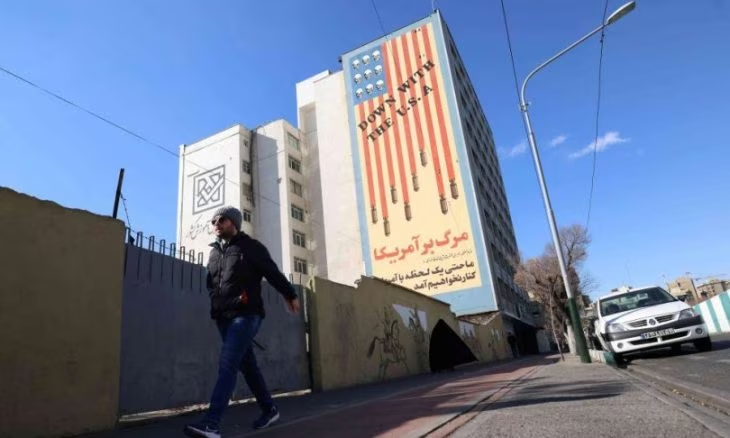







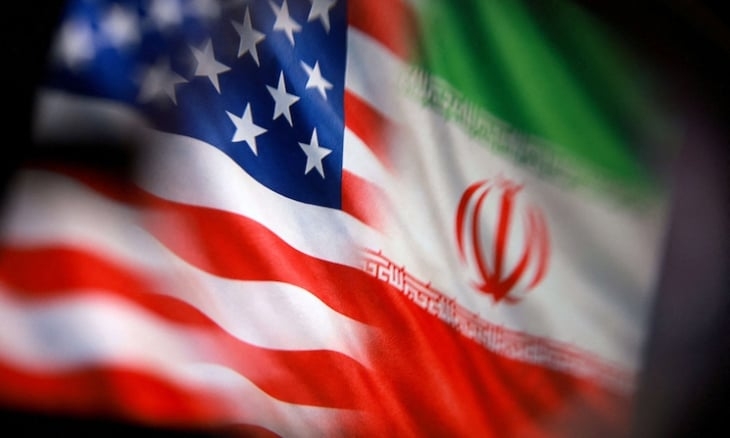
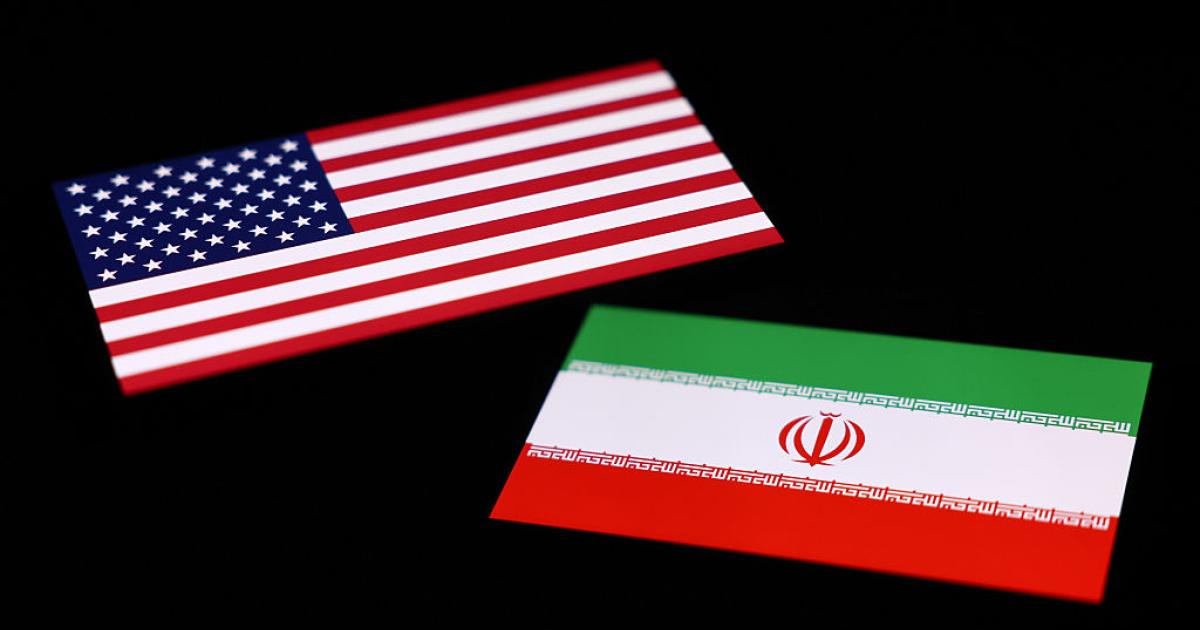
Attention turns to the Sultanate of Oman tomorrow, Friday, where the United States and Iran are scheduled to hold crucial talks, at a time when US President Donald Trump is brandishing the military option in a region that has witnessed intense conflicts since 2023. This round comes amid US pressure to expand the negotiation agenda to include issues beyond the nuclear program.
US Secretary of State Marco Rubio clarified that Washington seeks to include the Iranian nuclear program, the development of ballistic missiles, support for armed groups in the region, in addition to the human rights file, on the discussion table. In contrast, Tehran maintains its position of refusing to discuss any file except its nuclear program, emphasizing that its defensive capabilities are a red line.
The nuclear program is the central point of contention, especially after Iran reached 60% uranium enrichment, a level approaching military grade. The year 2025 witnessed a significant escalation on the ground when US forces, alongside Israel, participated in strikes targeting Iranian nuclear facilities in June, before a ceasefire was reached, the results of which on the ground are still not entirely clear.
Regarding military capabilities, Tehran possesses a massive arsenal of ballistic missiles that it has used directly against Israel on several occasions over the past two years. While Israeli Prime Minister Benjamin Netanyahu describes these capabilities as an existential threat, Iranian Foreign Minister Abbas Araqchi stresses that Iranian missiles are outside the scope of any potential political settlement.
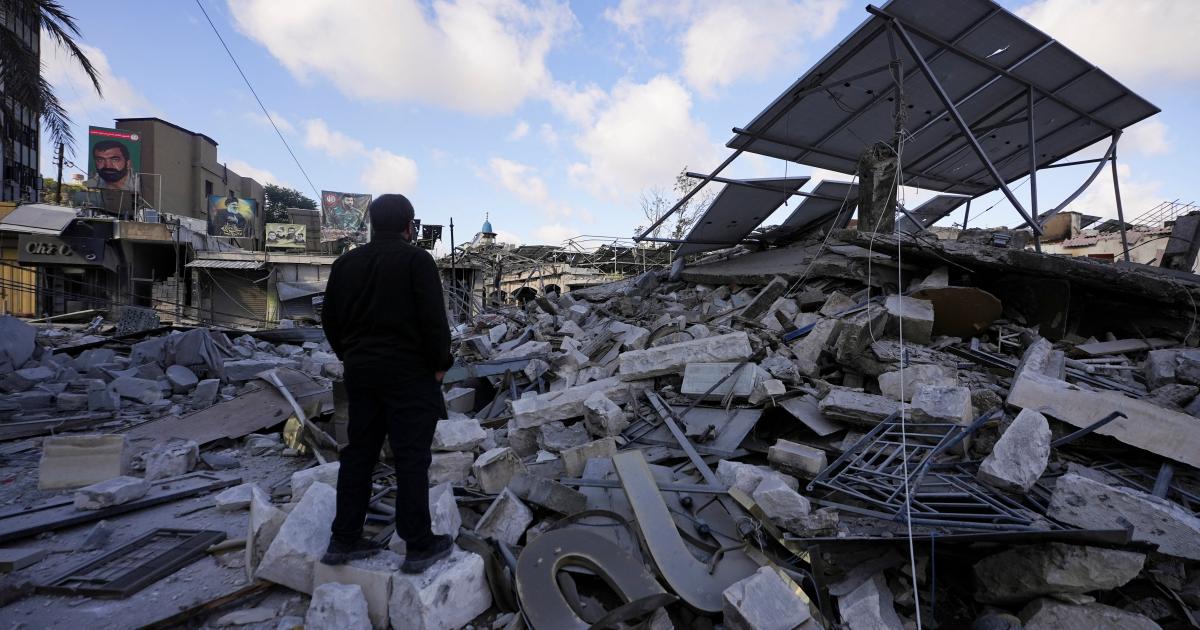
Regionally, Iran's influence faces unprecedented challenges, especially after the fall of Bashar al-Assad's regime in Syria and its allies in the 'Axis of Resistance' suffering strong blows. In Iraq, Washington is pushing to prevent the infiltration of pro-Tehran groups into the executive power, while the Houthis in Yemen still represent a strong arm for Tehran by threatening international navigation in the Red Sea.
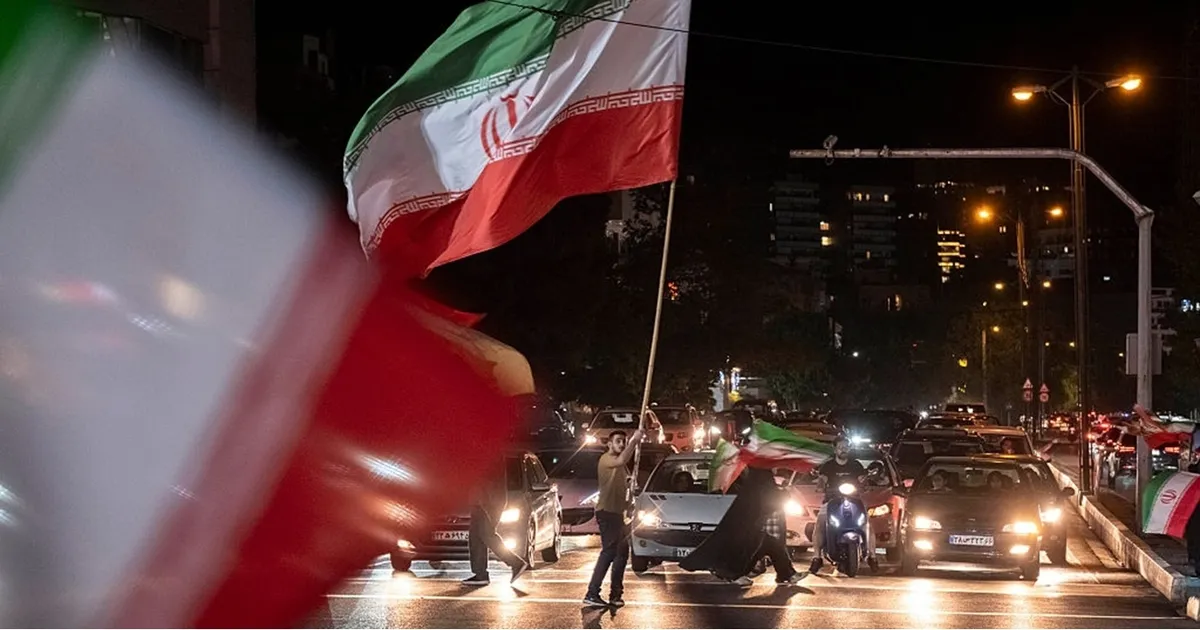
Domestically, the Iranian leadership faces increasing pressure after a wave of bloody protests erupted last December due to economic crises. President Trump has exploited these disturbances to toughen his tone, warning Tehran against suppressing protesters, and emphasizing that the US administration is closely monitoring how the regime deals with popular demands.
Iran's defensive and missile capabilities will never be a subject of any negotiations.
Share your opinion
Crucial Talks in Oman Between Washington and Tehran Amid Trump's Military Option Threats