






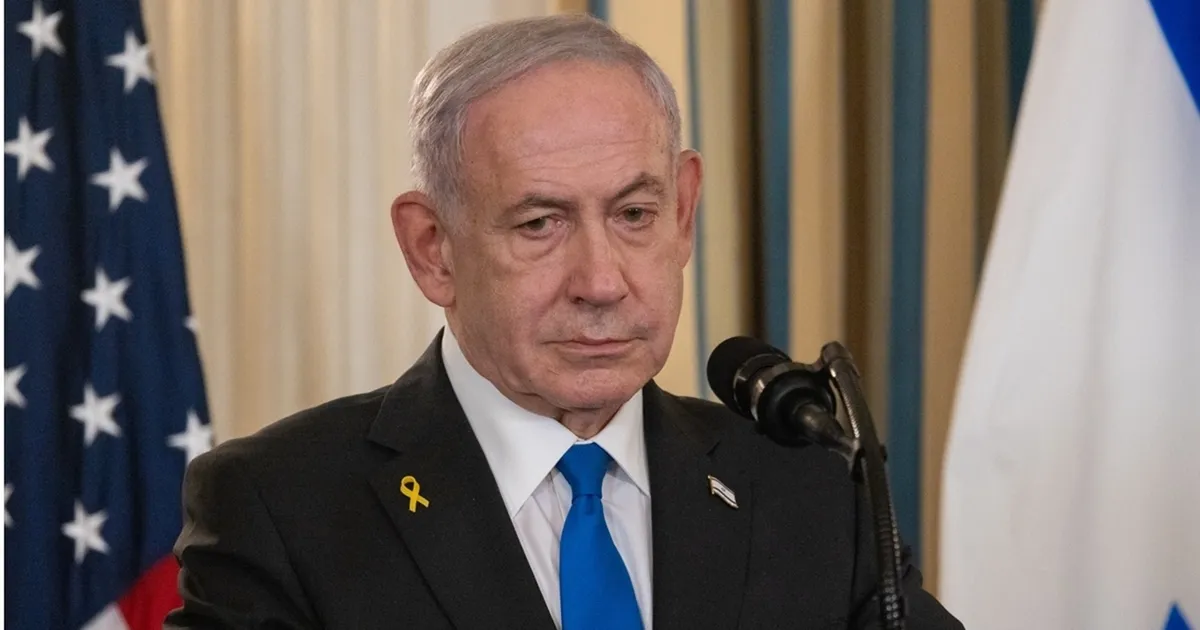
The security and political establishment in the occupation entity is experiencing a severe shock, after the threads of a widespread smuggling network transporting prohibited goods and advanced technologies from the interior to the Gaza Strip were uncovered. The case, which began as a criminal file, quickly turned into a public opinion crisis after the name of Betzalel Zini, brother of the head of the General Security Service (Shin Bet) David Zini, appeared on the list of suspects, putting the head of the strongest security apparatus in an embarrassing position.
In a remarkable development in the case, which has been unfolding since the beginning of 2026, investigations revealed the involvement of 13 people in the smuggling network, including civilian contractors, truck drivers, and soldiers in regular and reserve service. Despite official assurances that David Zini himself faces no criminal suspicion, the family relationship forced the Shin Bet to recuse itself from the investigation and transfer the file to the occupation police (Southern District) to prevent conflicts of interest. This incident has reignited the debate about 'Clause 14' of the 'Gronis' Committee, which hints at the possibility of the head of the apparatus resigning if one of his relatives commits extreme acts, opening the door for the right-wing to launch a political attack.
Investigations uncovered exciting details about the nature of the smuggled goods; in addition to cigarettes, which are considered 'the new gold' in Gaza where the price of a pack has reached more than $530, smartphones, computers, solar panels, and building materials are being smuggled. Court documents refer to an incident in May 2025, where an officer and a soldier from the Bedouin reconnaissance unit smuggled 4,496 packs of cigarettes, receiving 269,000 shekels in cash in return. Estimates confirm that the exorbitant profits from smuggling multiply the value of goods five times once they cross the border.
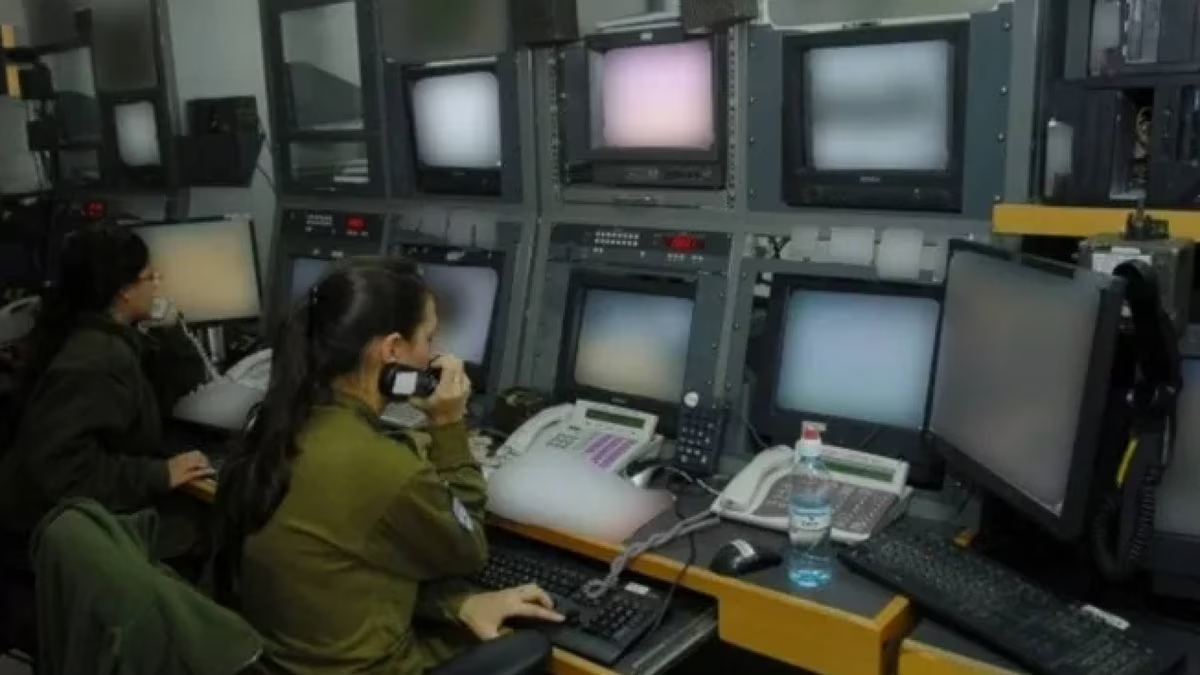
Reports showed a dismal failure in the control system at the crossings, specifically the Kerem Shalom crossing, where the pressure of trucks prevents thorough inspection, allowing smuggled goods to be hidden inside aid shipments. Press sources also revealed a more dangerous route, represented by contractors' vehicles, such as the 'Oriya' unit managed by the Shin Bet chief's brother, which enters the Strip to work on military projects without real inspection; some of these vehicles even remain inside the Strip with their Israeli license plates.
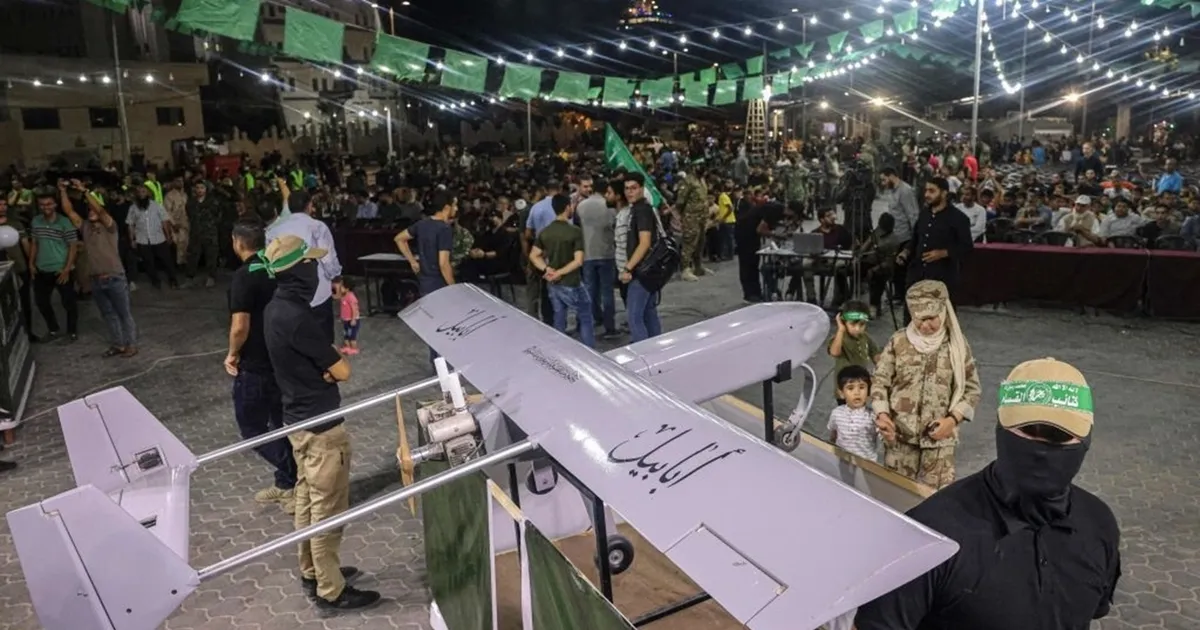
While the occupation army is preoccupied with field vulnerabilities, intelligence faces questions about the sources of funding for these expensive goods in Gaza, with officers anxiously pointing to the 'Jawal Pay' digital payment system as a main channel for money flow away from oversight. The military establishment believes that Hamas is the biggest beneficiary through collecting taxes, which replenishes its coffers with resources that may be used to rebuild its military infrastructure. While officers demand that those involved be charged with 'treason,' the borders, according to investigators, remain a loose area that feeds the resistance economy at the hands of the occupation elements themselves.
A truck of goods worth 100,000 shekels to the occupation, its value jumps to half a million shekels once it crosses into Gaza, creating a huge incentive for smuggling.



Share your opinion
Smuggling scandal to Gaza shakes occupation's security establishment, Shin Bet chief's brother accused