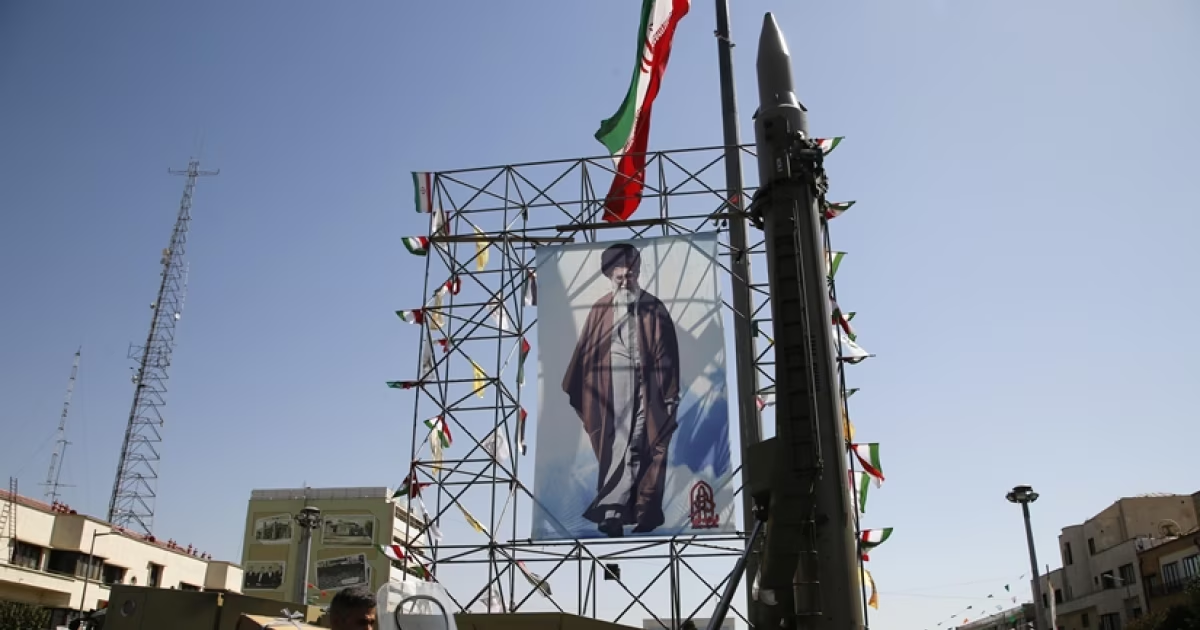







Iranian Foreign Minister Abbas Araghchi confirmed that nuclear negotiations with the United States will be held in the Omani capital, Muscat, at 10:00 AM on Friday, thus denying reports that spoke of the collapse of the diplomatic track between Washington and Tehran. Press sources quoted an American official confirming that the talks would take place on schedule, while other sources revealed that the White House agreed to move the meeting venue from Turkey to the Sultanate of Oman in response to urgent requests from Arab leaders who urged the American administration to listen to the Iranian point of view.
In the context of preparations, sources reported that at least nine countries contacted the administration of US President Donald Trump to ensure the meeting was held. American officials explained that preparations returned to track after extensive diplomatic interventions, noting that the approval of the meeting came "in respect" for allies in the region and for the experience of the diplomatic track, despite significant doubts within the American administration about Tehran's intentions. US envoy Steve Witkoff and Jared Kushner, the President's advisor and son-in-law, are scheduled to head to Doha tomorrow, Thursday, for consultations with Qatari Prime Minister and Foreign Minister Sheikh Mohammed bin Abdulrahman Al Thani before heading to Muscat.
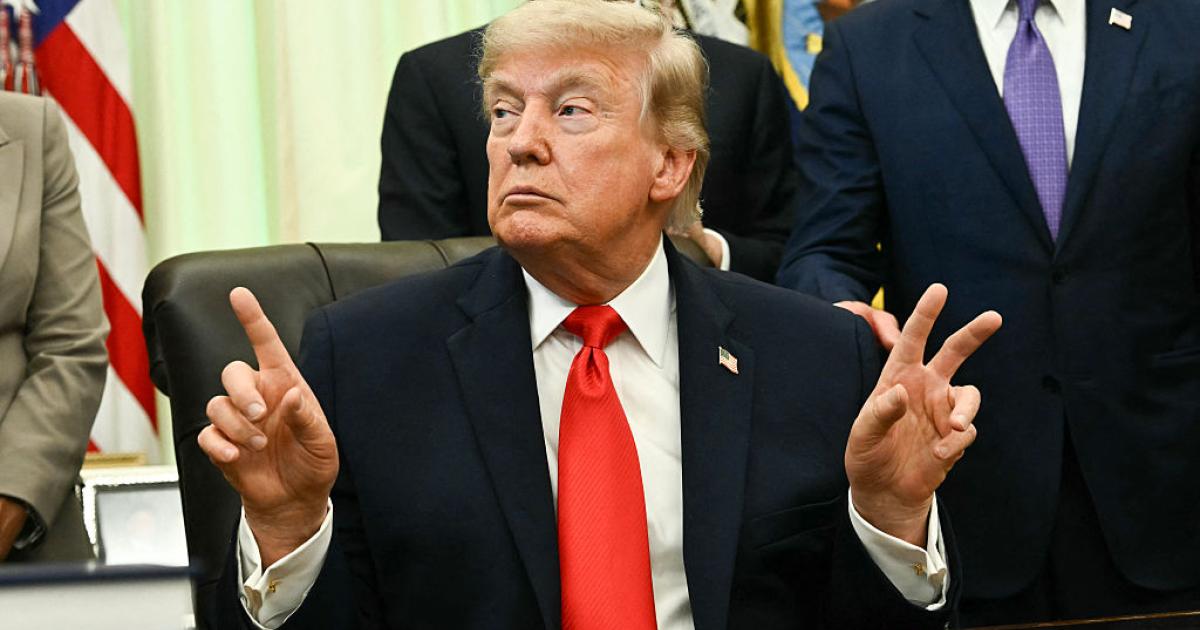
Coinciding with these diplomatic moves, US President Donald Trump maintained an escalating tone, stating in a television interview on Wednesday that Iranian Supreme Leader Ali Khamenei should be concerned, especially with the United States strengthening its military buildup in the region. Trump had deployed an aircraft carrier to the Middle East, hinting at additional military options after the strikes that targeted Iranian nuclear facilities during last June's confrontations.
For their part, observers and academics believe that the main obstacle lies not in the negotiation venue but in the agenda of the talks; where the Trump administration insists on the comprehensiveness of the files to include the ballistic program and support for regional factions, which Tehran considers "political suicide" and non-negotiable defensive capabilities. Experts point out that returning to the Joint Comprehensive Plan of Action (the nuclear deal) may be the only way out for regional stability, while others believe that Washington is using military pressure as a tool to impose harsh negotiating conditions.
Iran adheres to its position calling for limiting negotiations to the nuclear file to dispel international concerns about its nuclear weapon, expressing its openness to technical transparency, but refusing to negotiate on behalf of regional countries on regional issues. Researchers warn that Washington's change of position and its demand for a comprehensive agreement may complicate the diplomatic path and raise doubts about the American administration's seriousness in reaching a sustainable settlement.
We told the Arabs that we would hold the meeting if they insisted, but we are very skeptical about the results.
Share your opinion
Muscat Negotiations on Schedule.. Washington and Tehran Confirm Talks on Friday